

What’s the cost to develop an app? This question has probably come up more than once during the conversations as you’re about to build a custom application. In reality, many factors affect the final price, and we’ll break them down to help you determine your budget with confidence. Get ready to discover the key elements that can make or break your investment.


The app market has continuously risen since birth, and there’s no sign that it will stop soon. That’s why many startups and businesses invest tremendously in creating web and mobile apps to keep up with the evolving user behavior.
But, the investment is a considerable sum, especially for small to medium-sized companies. More importantly, a new app may deliver inferior, below-expectation results without a balance between cost and value. So, what’s the best way to calculate the application development price for effective budget planning?
Understanding the need for an intuitive guide to cost calculation, we have gathered and put all the pieces together in this article. You’ll walk away knowing how much it takes to build an app, which drivers contribute to the price, and how to reduce the financial burden by avoiding hidden expenses. No more delay, let’s explore the essentials of figuring out app development costs.
Average app development cost estimates
The average app development cost is estimated to be around $40,000 to $300,000, depending on the complexity of its features, functionalities, and other variables. While the range is wide, there’s no exact answer to how much it takes to make an app. The closest you can get is by breaking down and considering each cost component to paint the big picture.
{{banner-2}}
The starter is to know the requirements and features, making it easier for rigorous research. Is it a video streaming or social networking app? What functions will be incorporated? Who are you hiring for the development project? A deep understanding of your business needs and expectations from the app may enlighten this aspect, giving insight into the product outcomes and associated spending.
Though developers can’t give precise costs just by looking at your descriptions and expectations, they can come up with an estimate based on several constituents. Such include the type, complexity, and development stages. And, of course, you’ll need to consider expenses arising along the way. That said, the more explicit ideas you have for the app, the better chance you get a close estimate for developing it.
The price of building an app varies based on project type and desired level of readiness. Nevertheless, the process involves team collaboration and typically lasts from 3 months to 24 months. The final costs would equal the total development time multiplied by the labor hourly rates.
Kostiantyn Kolotov, Tech Lead at Halo Lab
What affects an app development cost
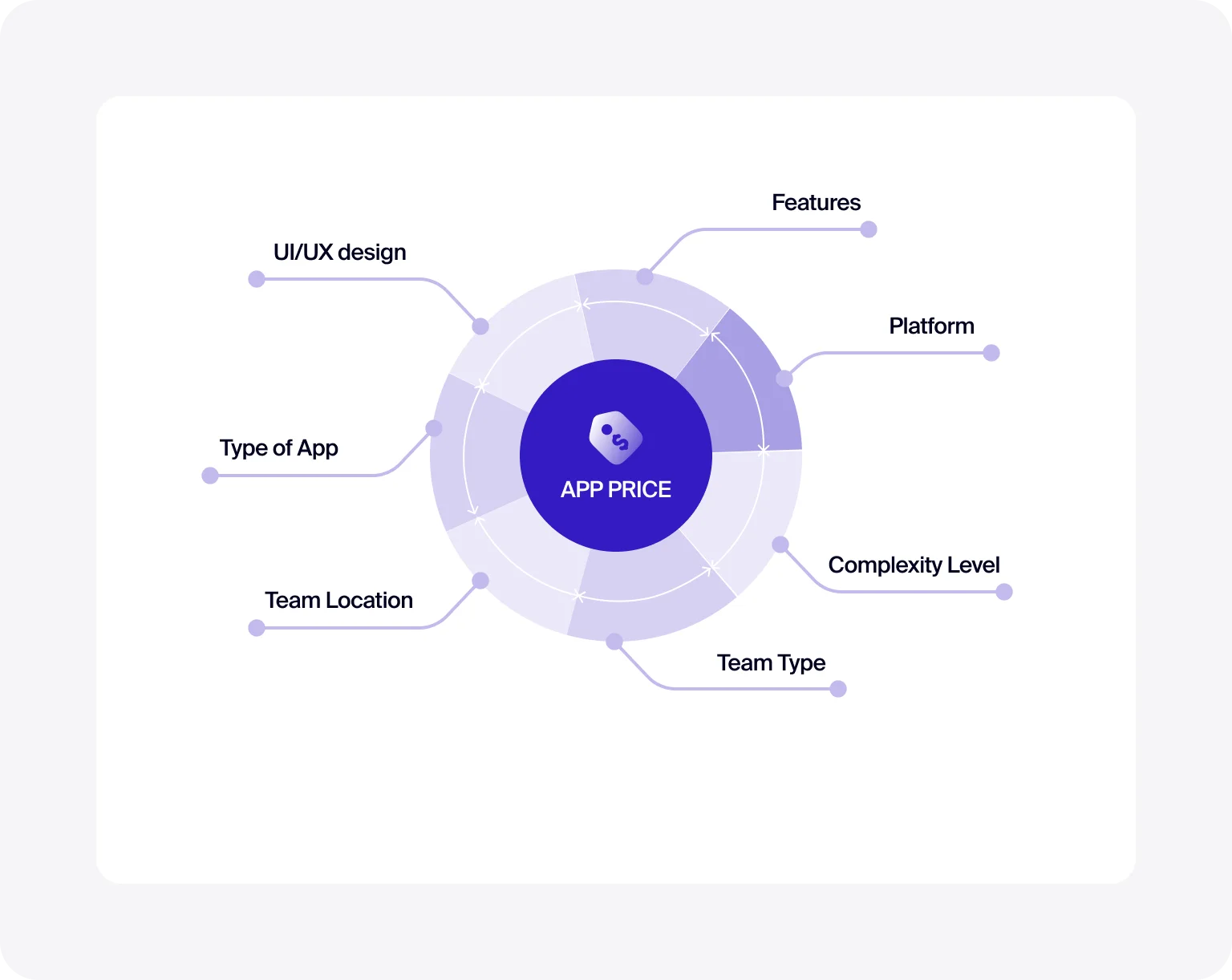
You may find multiple calculators online promising to help you determine the price of building an app. However, let’s get real and face the disappointing fact — there’s no universal tool to do this. The reason is that many factors contribute to the development expenses of a new app, and the only right way is to break down the cost structure and evaluate each component.
1. App complexity
The first factor impacting the cost is undeniably the overall app complexity. In short, the harder it is to develop an application, the more expensive it is due to the more time and resources pouring into the project. What’s more? There are many smaller parts to consider when we’re talking about complexity. They consist of the user interface, integrations, customization, and security, as some examples.
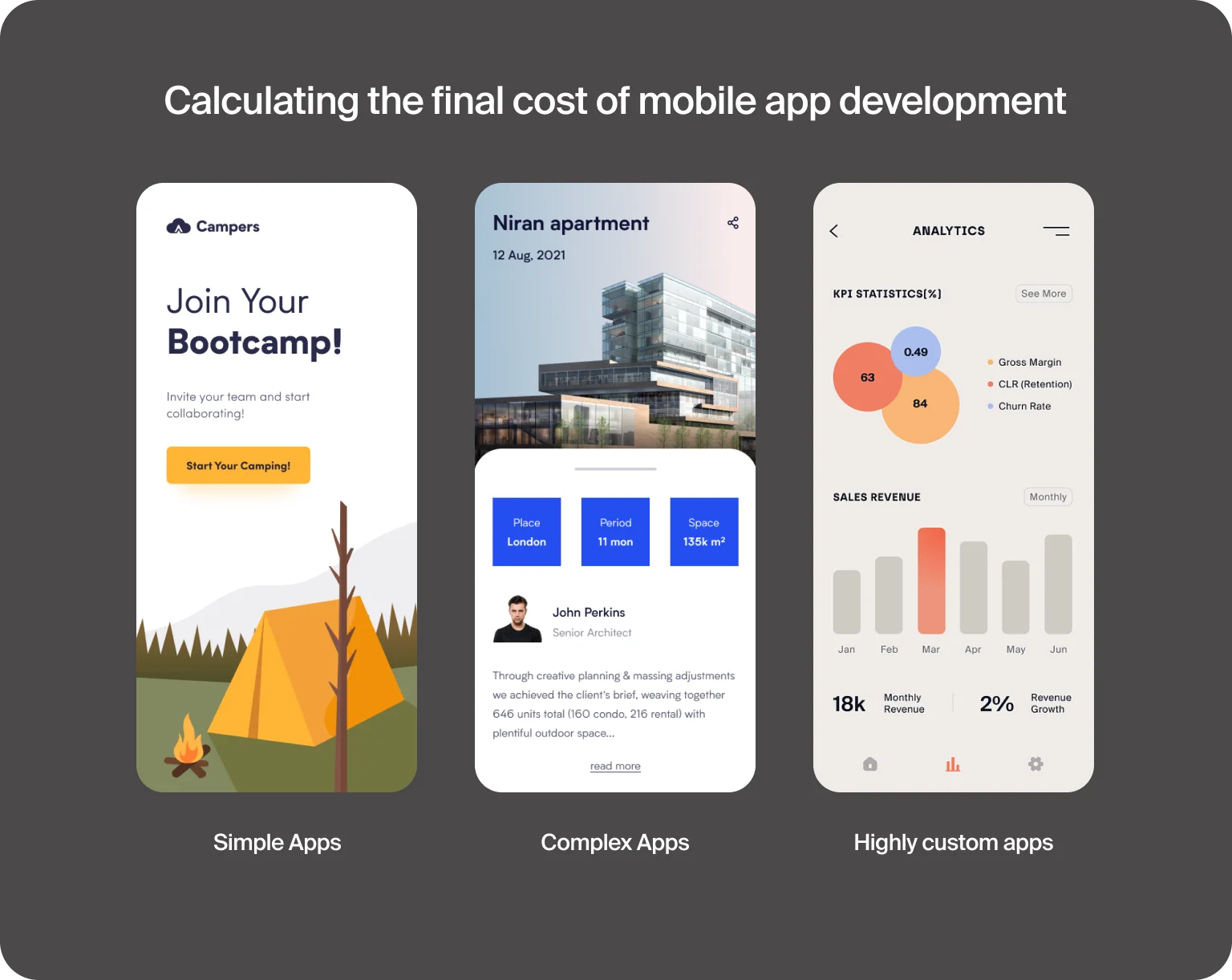
Generally speaking, the cost of developing an app will look like this in most cases:
- Simple apps with essential features such as registration and login systems cost around $40,000 to $80,000. You’ll find a simple dashboard and user profile on them. These include mini-games, task management tools, fitness trackers, weather apps, etc.
- Mid-level complex apps with more advanced features like push notifications, real-time messaging, and social media integrations range from $80,000 to $200,000. Examples are dating, social media or messaging apps, food delivery, and e-commerce.
- Advanced and specified apps cost more than $200,000 to create. Some may reach up to $350,000 for development alone. Those falling into this category are enterprise, healthcare, financial, and logistics apps — they involve more common or custom features, such as AI integration or virtual reality.
You can have some idea of the price by looking at the above. However, the complexity of an application isn’t the sole determinant of its creation cost, and it’s crucial to consider this factor side-by-side with the following ones.
2. Required platforms
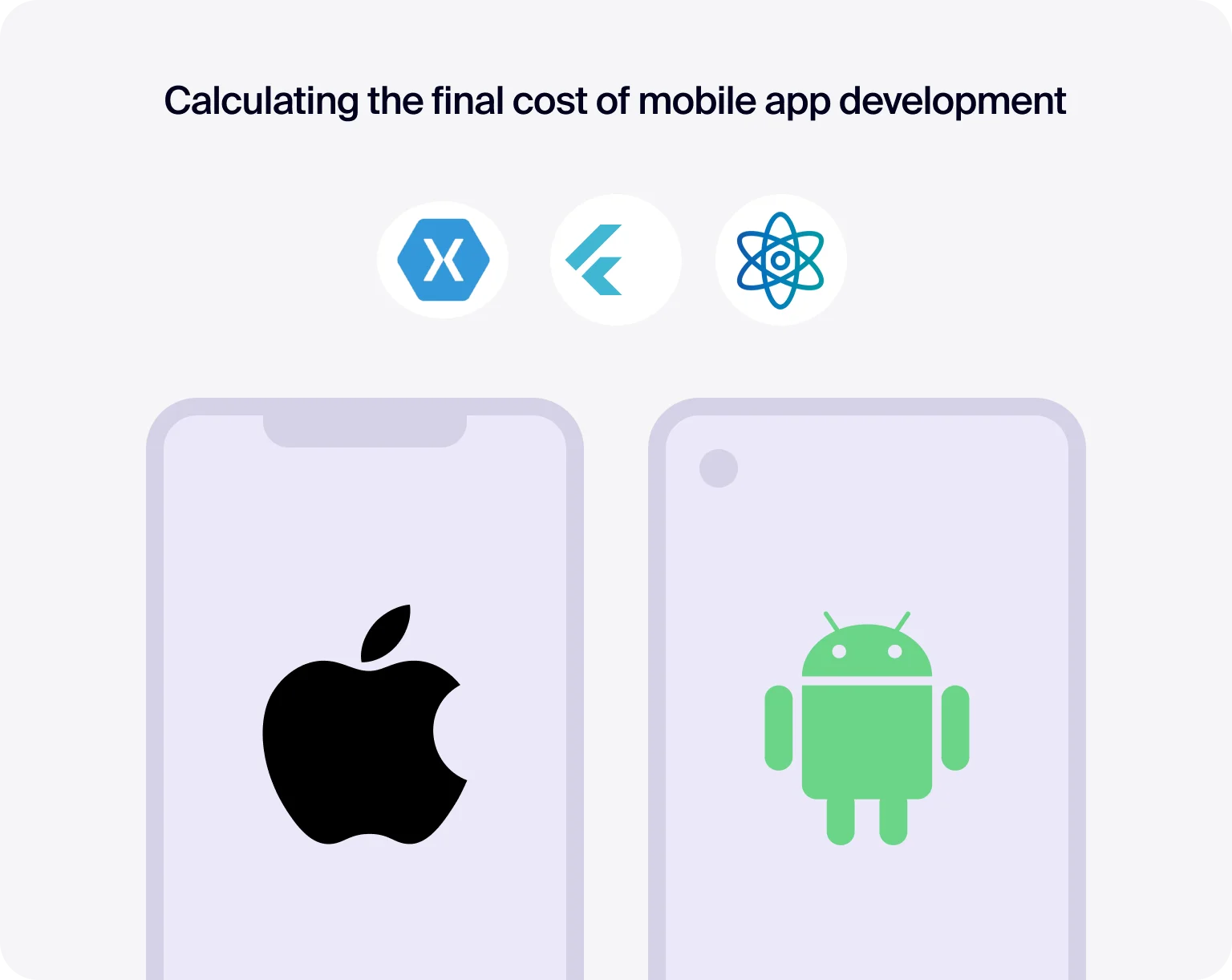
Which platform is your app intended for? Answering this question allows you to come closer to a reasonable estimation of the development cost because the platform has a significant influence. For instance, you anticipate submitting a mobile version to the App Store on iOS devices. This way, you’ll want to develop a ‘native app’ that targets only the audience accessing that platform.
Naturally, developing an app on multiple platforms separately would increase the budget due to the extended time. Some startups focus on one platform in the early days and then expand to others as they become established. Meanwhile, if you have enough resources to launch on several platforms, go for it. Let’s look more closely into the different classifications below.
- Native apps: Built for one platform using the platform-specified language.
- Cross-platform apps: Launched on several platforms with a single code.
- Web apps: Accessible via web browsers across devices.
- Hybrid apps: A mix between native and web ones.
To examine the options, you can find a full overview of the platforms in the App Stores List. The most common platforms for mobile apps are the App Store on iOS and the Play Store on Android. The prices between these two competitors are pretty much the same ($50,000 and up). Hence, you can build a product around one of the two or even both to maximize the effects of the introduction.
If you’re not into the technical details, consider asking us for expert assistance in iOS app development or Android app development. With these services, we can bring your vision to life, whether looking for stunning iOS apps or engaging Android products that prioritize user experience while keeping costs in check.
3. Features and functionalities
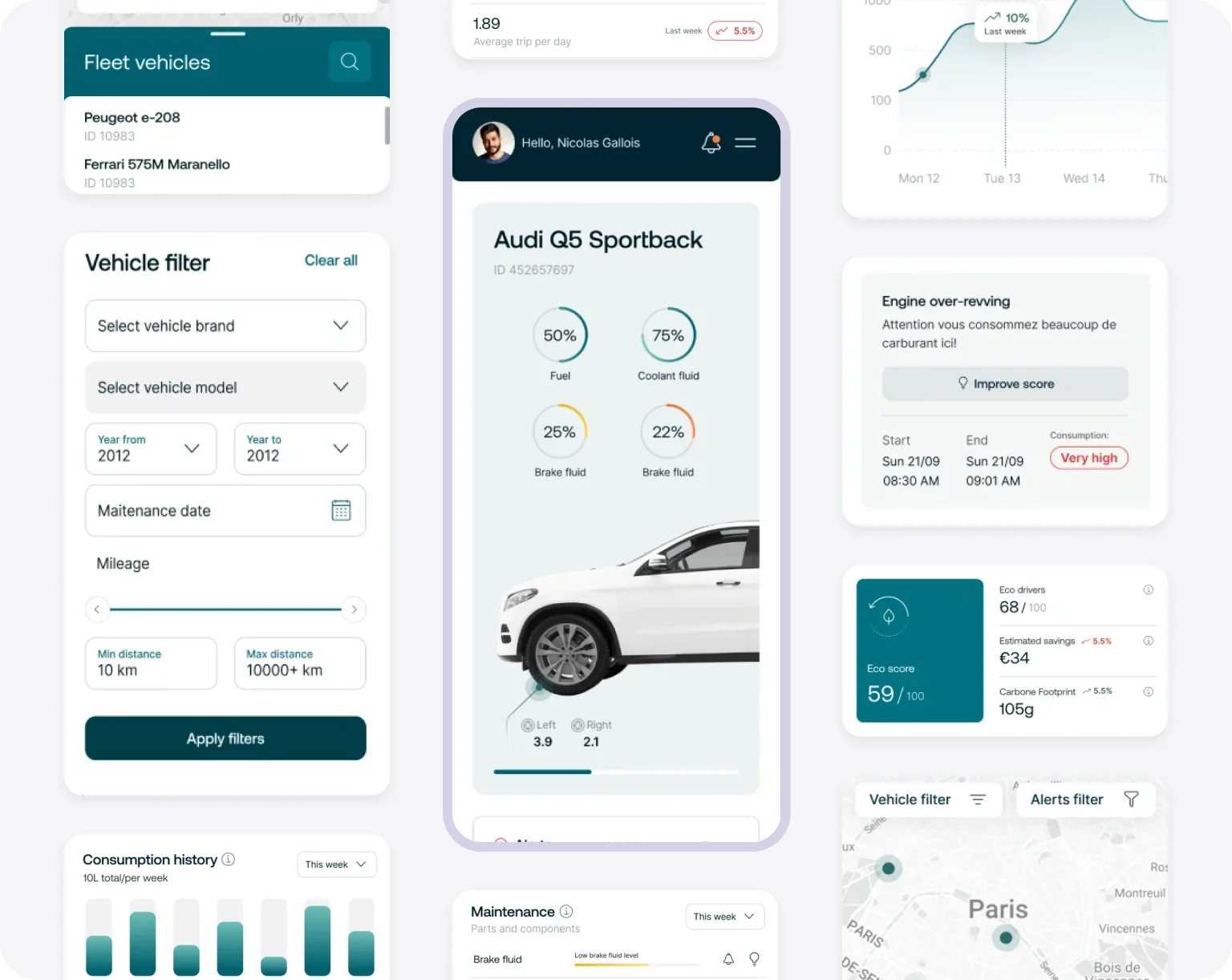
To answer how much it costs to make an app, you can’t neglect considering the features and functionalities to be integrated. In reality, adding new features can intensify your development budget by thousands of dollars, demanding extra labor and several months for implementation. Thus, it’s recommended to emphasize core features first — those vital to the application — and build upon such foundation in the following app versions to manage expenses.
Here is the list of common app features and functionalities:
- Native device features: Bluetooth, camera, microphone, and Face ID.
- User login: Email login, phone number login, and password recovery.
- Admin/user management: Profile info, photo, language, and settings.
- Messaging: Online status, send/receive files, group chat, and message reply.
- Notifications: Push notifications, reminders, and updates.
- Location: Maps, user location, pickup and delivery location settings.
- Payments: Payment gateways, methods, and transaction history.
- Synchronization between devices: Sync data across different devices.
- Data encryption: Symmetric/asymmetric encryption and hashing.
Each costs around $1,000 for a simple login and more than $10,000 for complex functions like video calls. Given the large number of features, you should pick out those essential to the nature of your application and make the most sense for the user experience. This way, the production is affordable while still meeting industry standards and user expectations.
4. Custom design
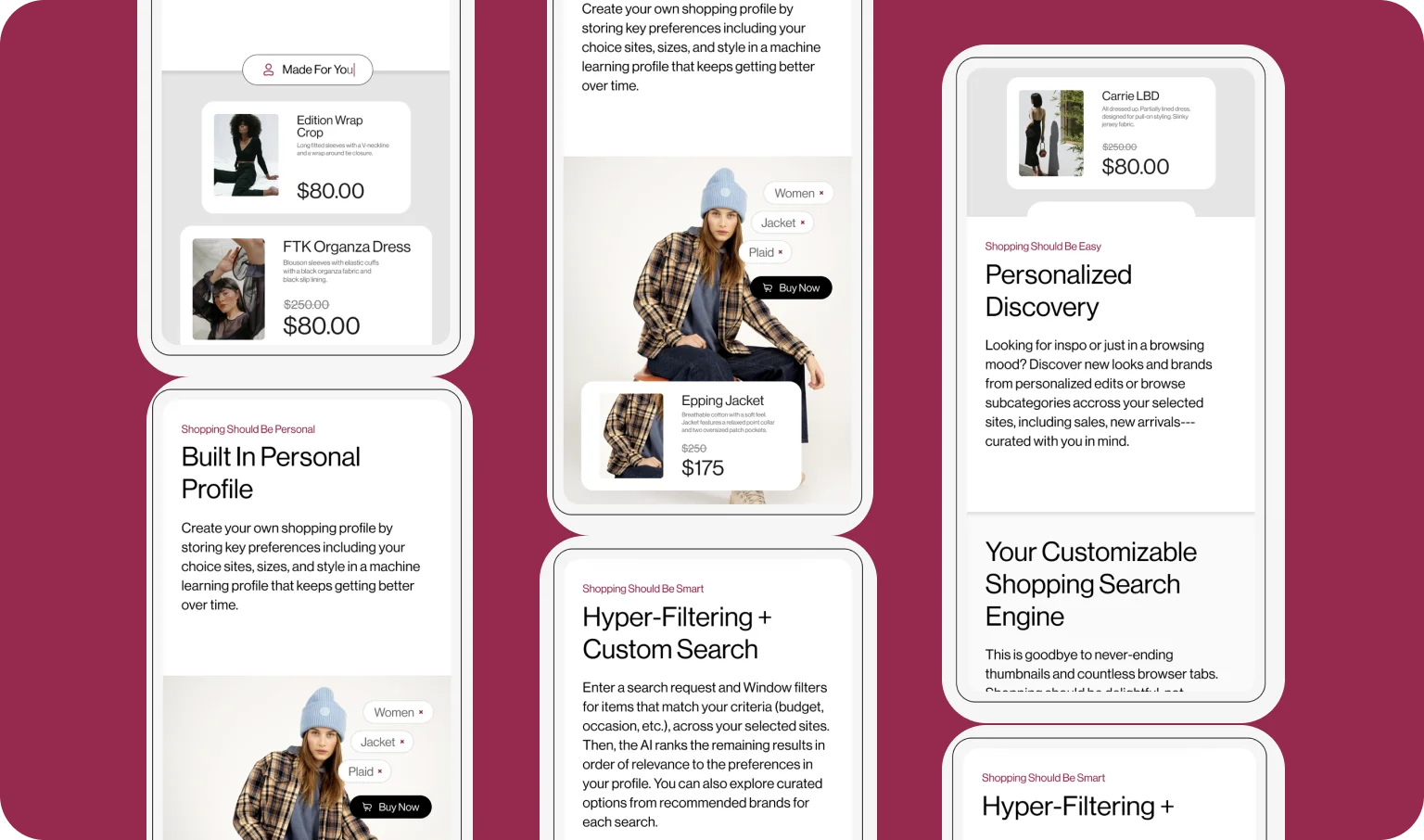
In-app visual look and customization play an essential role in the development cost. Good UI/UX design draws and engages users and, on top of that, stimulates conversion rate. Moreover, you should also consider the expense of branding, such as creating a logo and icon, as well as animations and illustrations.
Custom design’s cost fluctuates depending on the number of screens, the complexity of visual elements like animations, and the degree of customization. For example, designing a non-complex app with UI/UX elements costs approximately $15,000 to $20,000 and from 400 hours of work. More sophisticated projects with intricate layouts would shoot up to more than $20,000 and 400-500 hours to complete.
In line with UI/UX design best practices, our mobile application design service offers a full-scale mobile app design process, from concept research to development and testing. We’ll assist you in market research, competitor analysis, wireframing, UI mockups, brand identity, and more. Highly customized visuals catch the user’s attention at first sight and retain them on the product for longer.
5. Back-end infrastructure
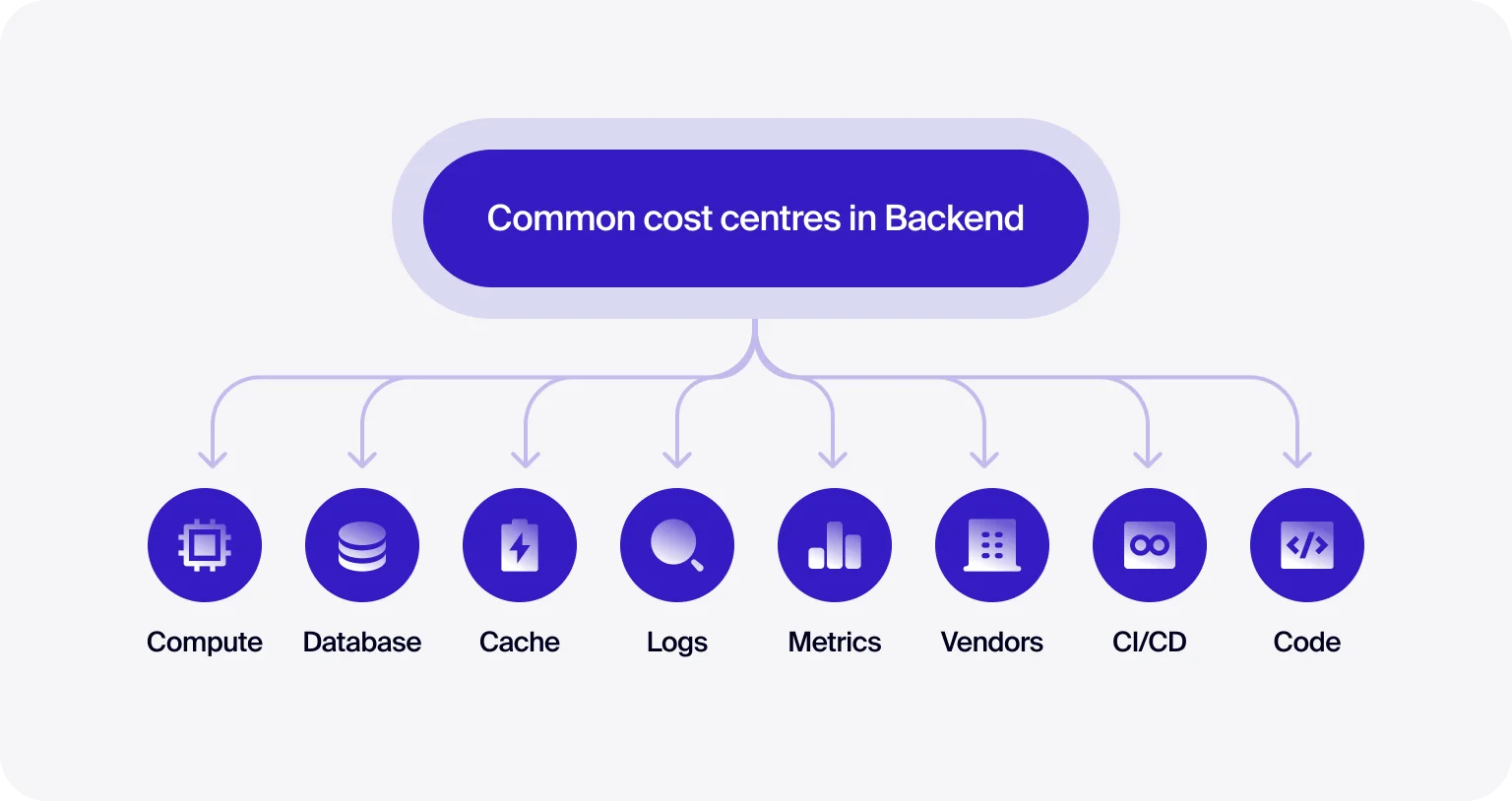
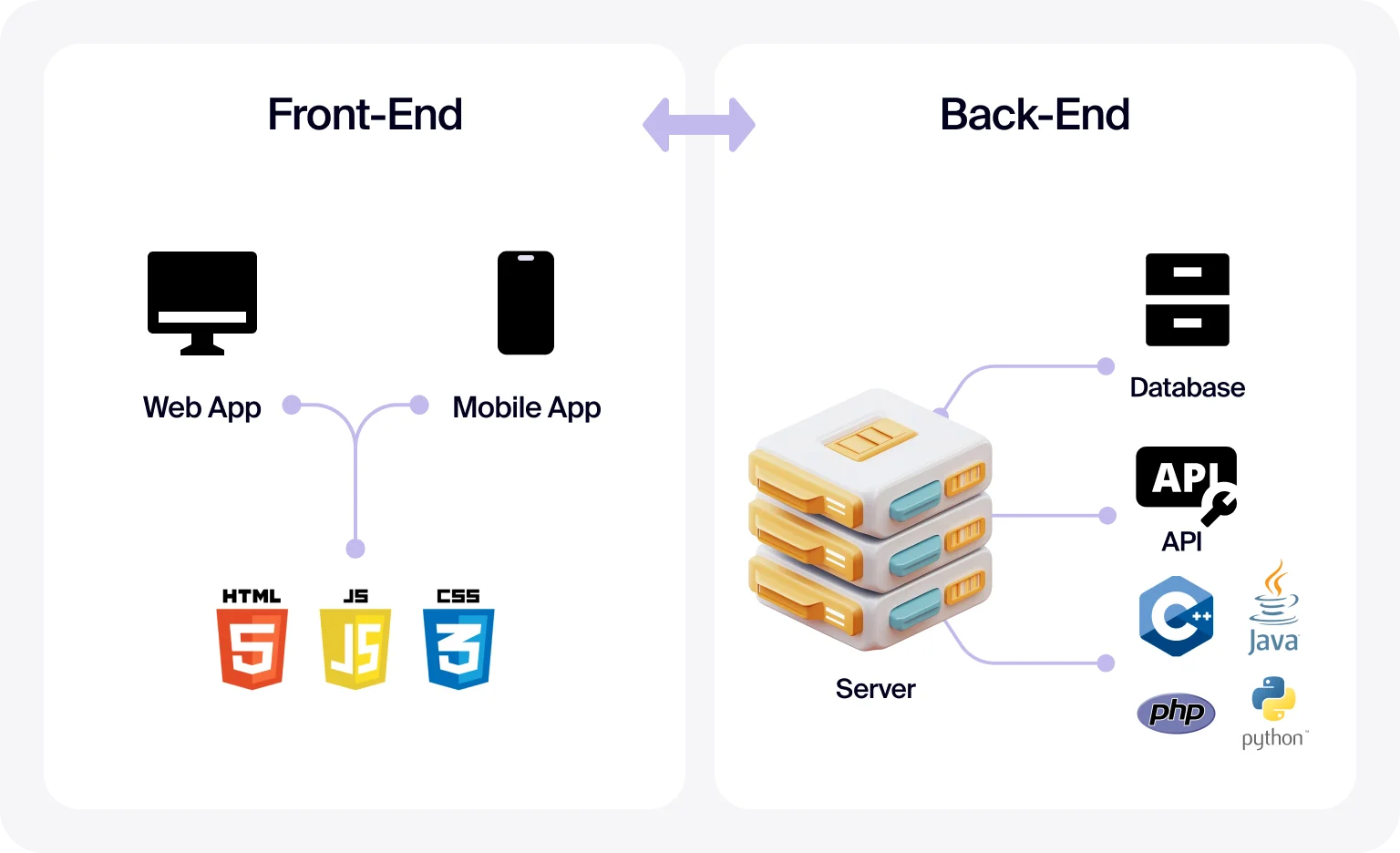
Back-end infrastructure acts as the backbone for your app, fostering the visuals and interactivity of the front-end — whatever displays before the users, like graphics and texts. The back-end comprises database operations, server-side processing, network connection, and other underlying technology to make an app work. That’s why the more robust your foundation is, the higher the development cost.
Back-end development services are optimal solutions for those who desire a productive and secure system. Our skilled developers employ the latest data protection technologies to create and test high-quality products before release. Ultimately, we ensure the final apps run seamlessly with the support of a scalable infrastructure at a reasonable fee for effective cost management.
6. Maintenance activities
App maintenance is a requirement after the development phase. That said, you’ll need to set aside a budget for ongoing expenses in the years following the launch. Chances are the total maintenance cost over the years will double the initial development investment. The largest amount is spent in the first year after release, typically covering bug fixes and design improvements.
Precisely, the maintenance budget for an app of $60,000 is approximately $120,000, with the spending during the first year reaching up to $40,000. Subsequent years will witness a drop in this cost to around 15-25% of the original development cost. Therefore, understanding maintenance costs for strategic budget planning is crucial to building a successful application for your business.
Given the huge amount of work required to keep the system up and running, the most efficient way is to involve application support and maintenance services. Our team has maintained smooth operations for enterprises across over 30 industries. Maintenance services include but aren’t limited to custom software development, consulting, cloud computing, and app modernization.
7. Team size and expertise level
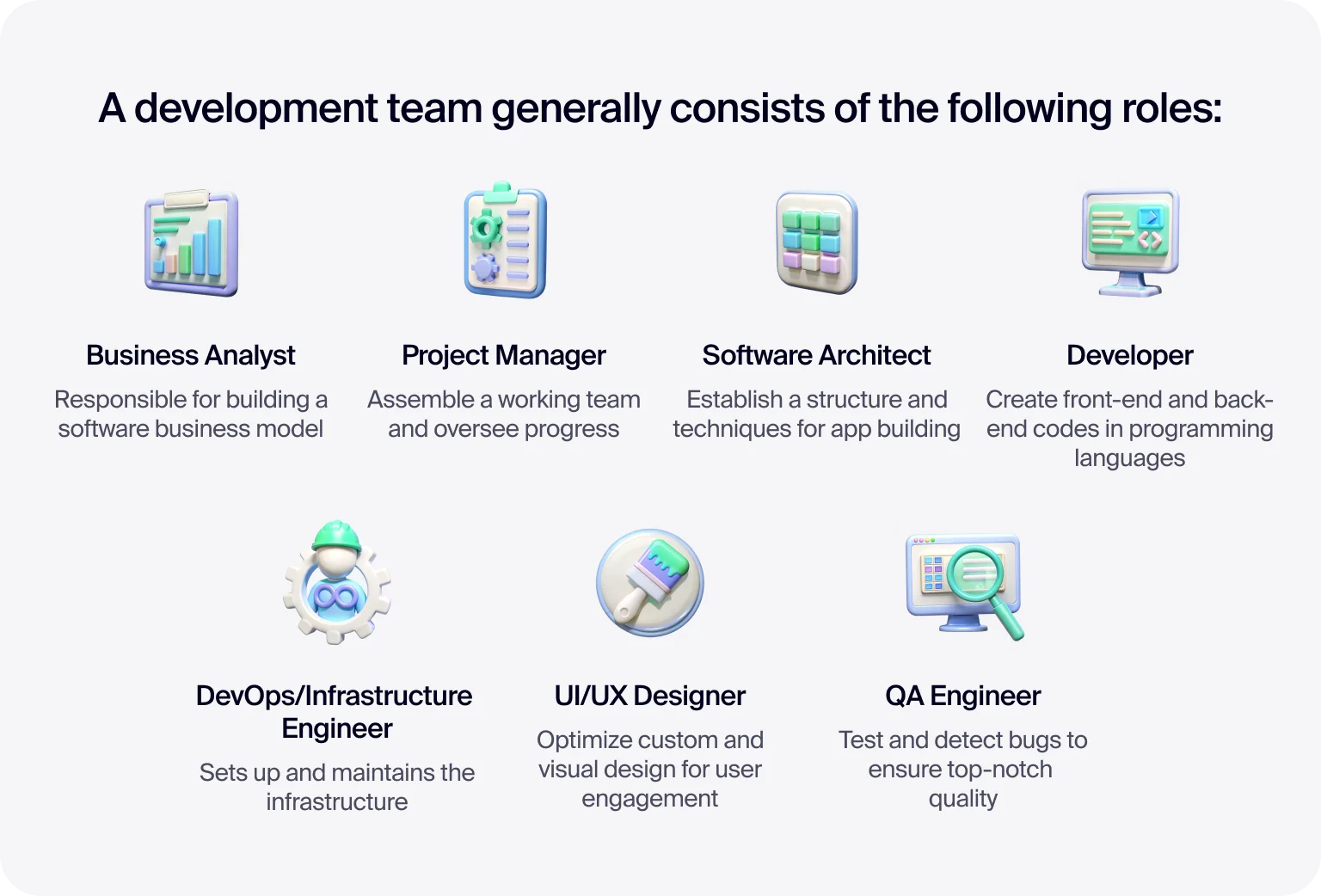
The number of team members and their level of expertise are important cost drivers. In short, labor wages make up a huge part of the overall development cost, and changes in hourly rate would impact it to a large extent. Therefore, you’d better pick the right professionals with proficient experience for desirable efficiency. The options are an in-house team, an outsourcing company, or freelancers.
Another point to consider when selecting a team and planning a budget is the location of your development team. The price and hourly wages for services and labor vary from country to country. Some startups resolve to outsource the task to an offshore company for financial advantages.
Nevertheless, the average payment for a team of mobile app experts ranges from $20,000 to $100,000, depending on development hours and geographic locations. You may choose to hire for a specific service only, and this cost will be based on the hourly wage of specialists and other associated fees to get the job done.
Application cost by development stages
Besides breaking down the cost factor for budget planning, you can also calculate the development expenses based on its stages. Dividing the process into five ones makes your finances more understandable as you know the amount needed at certain milestones. Let’s look at the cost by development stages as below.
Discovery and planning
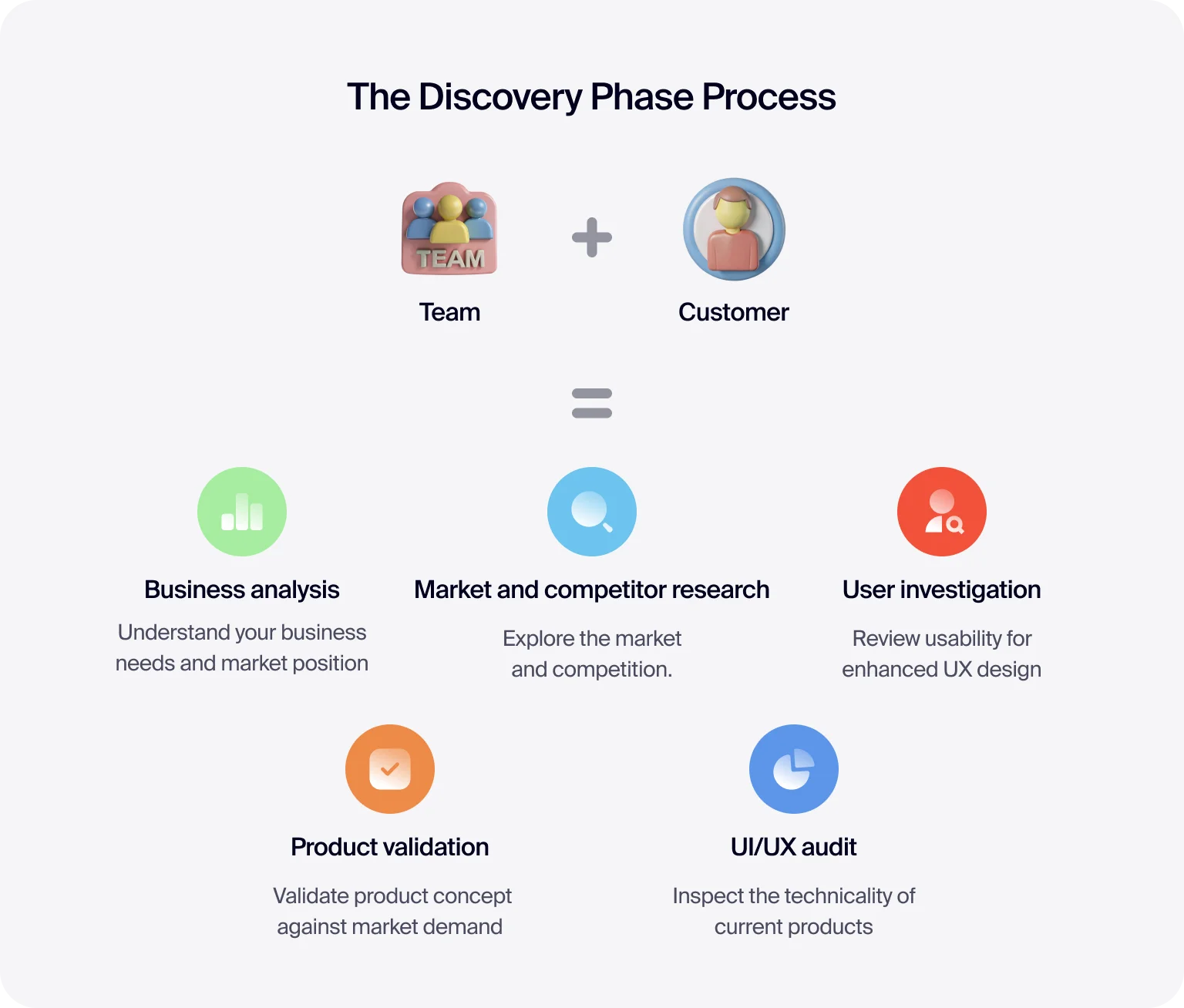
The first stage of building an application is exploring different directions using industry knowledge and business analysis. Its end goal is to strategize a feasible plan for producing the app. Generally, the product owner and developers will come together and discuss the following tasks:
- Business analysis: Understand your business needs and market position.
- Market and competitor research: Explore the market and competition.
- User investigation: Review usability for enhanced UX design.
- Product validation: Validate product concept against market demand.
- UI/UX audit: Inspect the technicality of current products.
Considering the tasks at this stage, related expenses to accomplish such objectives include research, conceptualization, usability testing, and prototype building. After all, the cost ranges from $3,000 to $7,000, except for very few cases exceeding $10,000. Knowing the estimated cost for discovery and planning helps you kickstart the project and reach your first launch faster.
To maximize your business potential, all you need to do is opt for product research services. Once in place, you’ll receive personalized consultation on project objectives, navigation through financial risks, market positioning, and resource allocation. Our specialists guarantee an incredible journey through this stage with key deliverables, including competitor analysis, mood board, visual concepts, and user flow.
UI/UX design
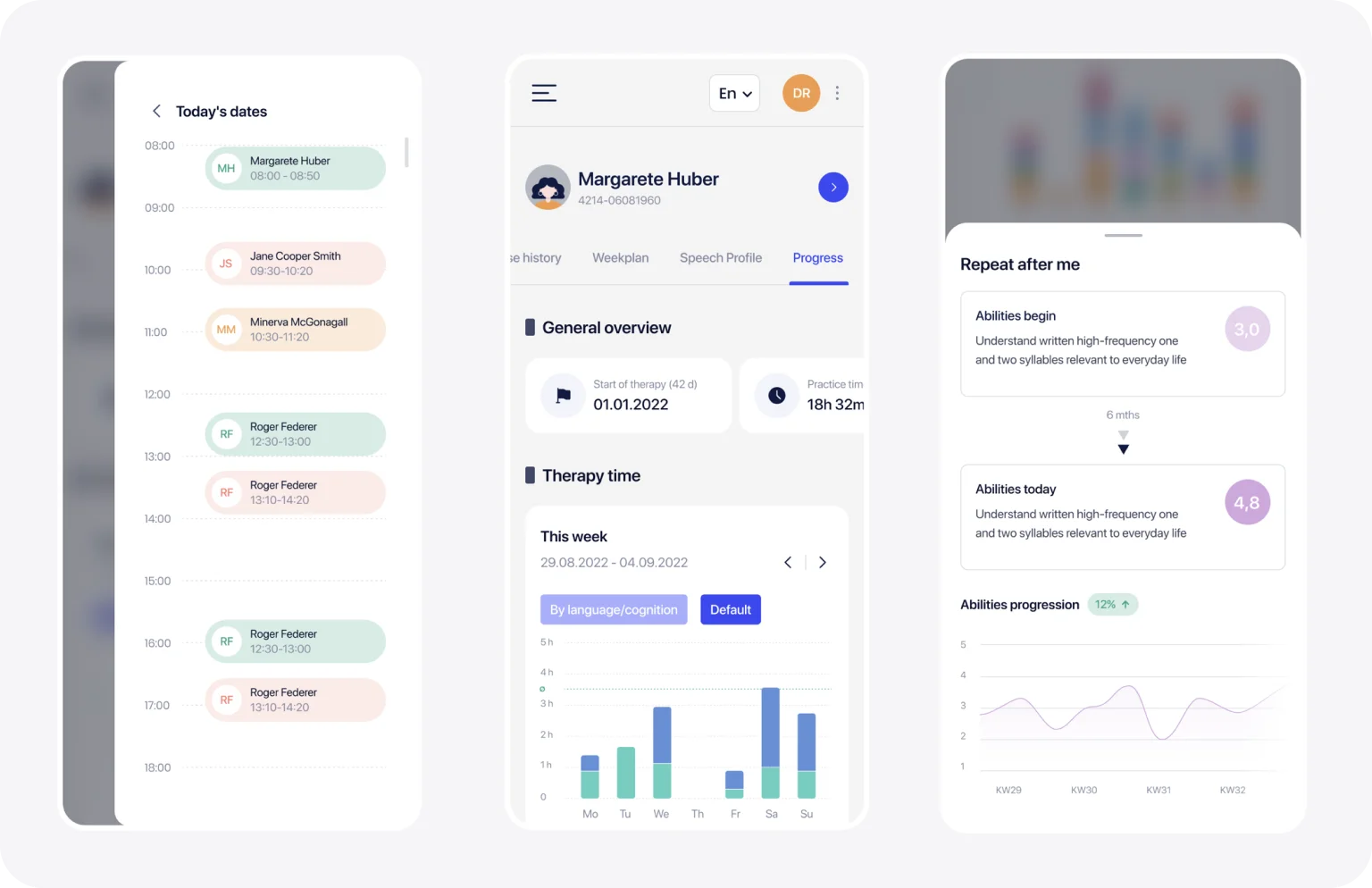
The next stage of app development usually deals with brainstorming and crafting a design that appeals visually and meets the user experience. As previously mentioned, the UI/UX design fee highly depends on the complexity and customization of your application. In other words, you’ll need to pay more for customized layouts than ready-made standard ones.
Designing a first-rate user interface can cost from $6,000 to $20,000, often making up around 15% of the total app development budget. It’s a crucial investment, as users largely judge an app by its visual appeal and ease of use — so skimping on UI/UX design could cost you in the long run.
Daria Chyncheva, Sales Manager at Halo Lab
Halo Lab’s UI/UX design services provide industry-renowned solutions, specializing in web and mobile app design. Our profound experience in product discovery, user-centric interface, and quality control empowers us to enhance the appearance of the app as well as its usability. Users enjoy a wonderful journey, from downloading the application to achieving the final decision.
Development
Once you’re done determining how the app would look, it’s time to start writing the first line of code. At this stage, software architects and developers sit down and construct the app from the ground. This is usually the most expensive stage because it contains one of the crucial cost factors of app development — features and functionalities.
In addition to the coding work, infrastructure setup plays a significant role in the development phase. This includes setting up servers, databases, and cloud storage, which are essential to support the app’s functionality. The choice of infrastructure can influence its performance, scalability, and security, all of which contribute to the overall cost.
Some examples of front-end and back-end development components include:
- Application architecture
- Data encryption
- Database processing
- Application Programming Interface (API)
- Third-party services integration
- Server setup and management
- Cloud storage and hosting services
- Visual and interactive elements
Infrastructure costs can add up quickly, especially for apps with large user bases or heavy data processing needs. A small app may incur minimal infrastructure costs of around $500 to $1,000 per month, while a larger app with complex features and high traffic could face costs upwards of $10,000 per month or more.
The complexity level of features reflects the cost of the development stage. That’s why if you’re about to launch a product with intricate functions, be prepared to have quite a big budget. In reality, this stage demands high-degree collaboration, and the app’s success relies heavily on how developers turn their code into life. Hence, it’s no surprise that the expense here alone would surpass all other stages.
The development investment for the most simple mobile apps would start at $10,000. Conversely, a complex one will cost you from $20,000, taking into account the involvement of more developers and QA.
Daria Chyncheva, Sales Manager at Halo Lab
Testing and deployment
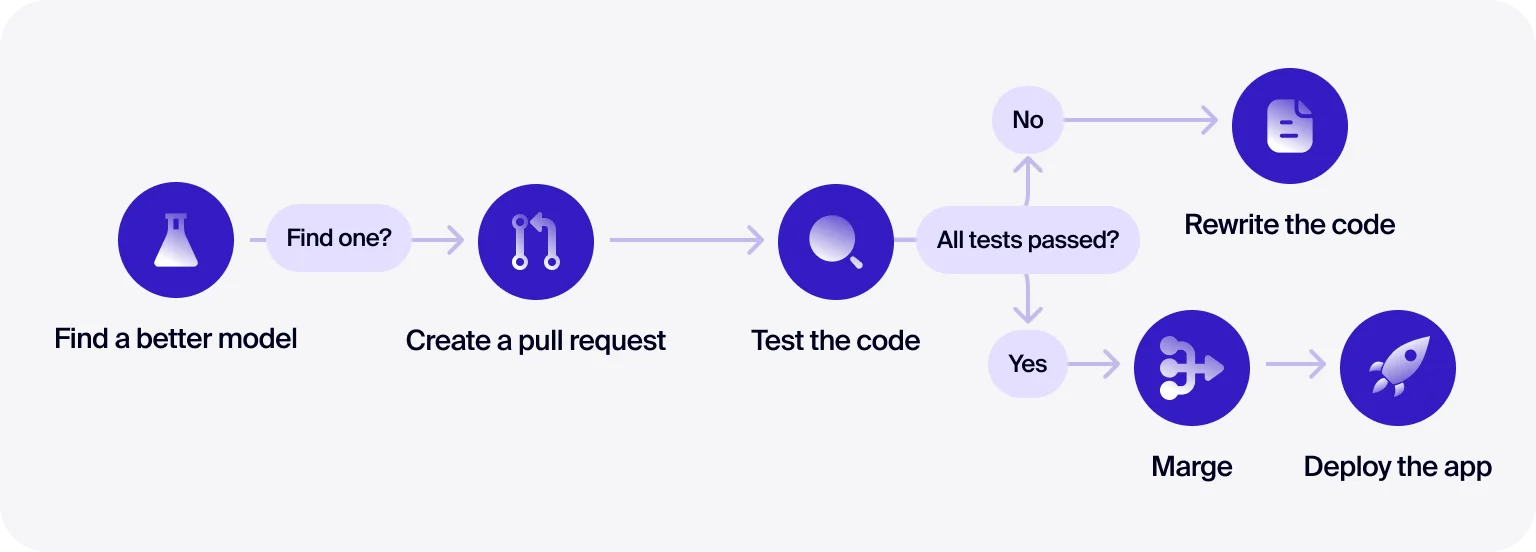
The final stage before introducing an application is to test its quality and performance. Think of this stage as a quality assurance measure to ensure the app works properly and is ready to be introduced to users. During testing, QA specialists search for defects and issues and then report on them for fixing and improvement. Without a doubt, you’ll need to compensate workers and QA services for these activities.
QA specialists are responsible for the following:
- Analyze standards and requirements
- Perform QA testing
- Identify and remove bugs
- Adjust technical details as necessary
As a result, testing for quality assurance costs you around $5,000 to $10,000, depending on the intensity of the test, the number of issues found, and the total time spent on eliminating errors. You’ll want it to reach a perfect state, as glitches and lags can damage the product’s reputation and overall brand. Fixing it before release is easier and more cost-efficient than doing it post-launch.
Moreover, don’t forget to account for the deployment itself. App stores often charge a publishing fee or require an annual payment. In particular, the iOS App Store would ask you to pay a yearly fee of $99, whereas the Play Store only requests a one-time payment of $25 to publish an app on their platform.
Maintenance
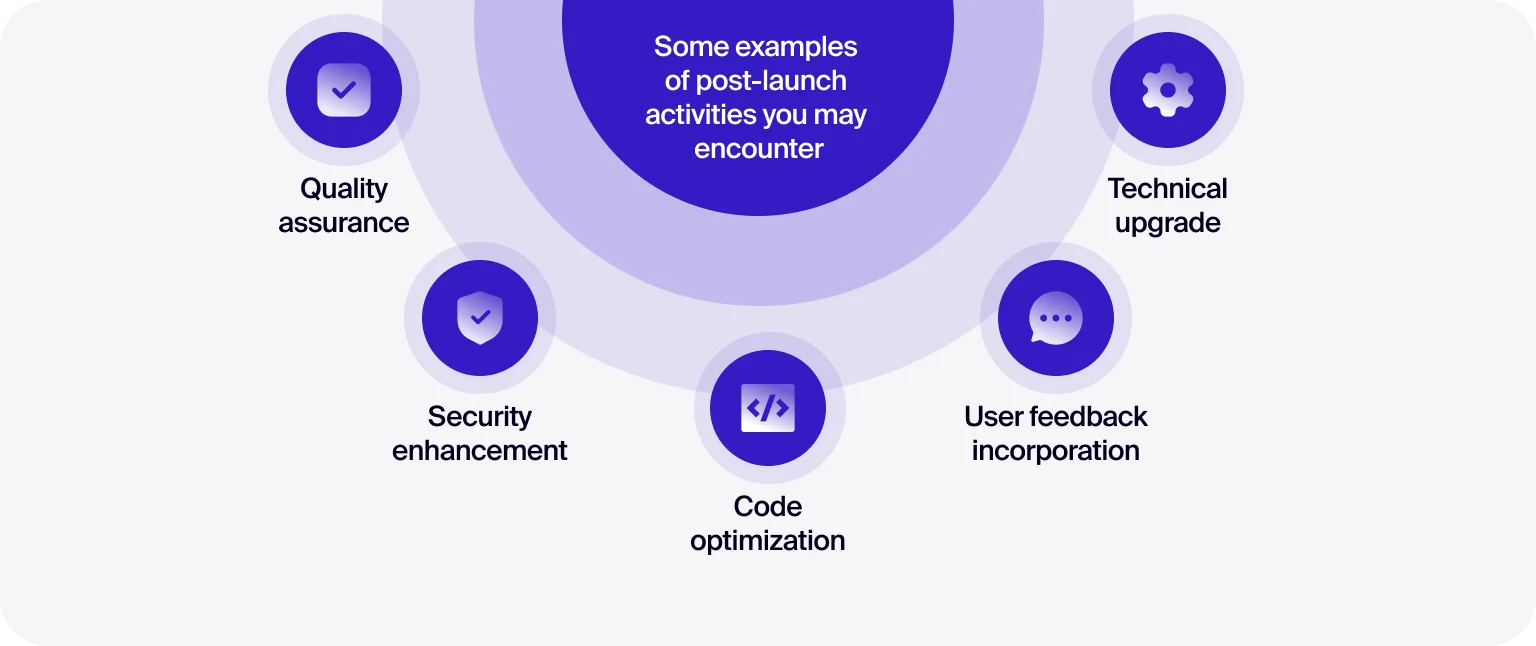
Lastly, don’t leave maintenance costs out of the equation. You’ll continue fixing bugs and making changes to the app post-launch. The reason is there’s a need to incorporate user feedback, fix bugs, make technical updates, or add more features. That’s why setting aside a fair amount of your budget for maintenance is a wise move. Otherwise, everything may go south, including user experience.
As discussed, the average maintenance fee annually for an app would be around $40,000. The cost for the first year following a release should be the highest and gradually decrease over the subsequent years. Therefore, you can’t just create a budget plan for the app production but also all the maintenance activities in years to come as long as you want things to go smoothly.

Development cost by application type
To answer the question ‘How much does it cost to build an app?’, you can get an estimate by application type. The prerequisite is to know which app to develop. What is it used for? Who’s the target user? What kind of features are to be included? A clear idea of the app will help you achieve a closer match.
Here’s a reference table of the most common types of apps with associated core features and approximate development costs.
| App Type | Top Features | Cost* |
|---|---|---|
| E-commerce | Registration and login Profile management In-app search engine Product recommendation Ratings and reviews Checkout and payments | $60,000 |
| Social media | Registration and login Profile management News feed People search Push notifications Status, photo, and video upload Messaging | $50,000 |
| Dating | Registration/social login Profile management Matching algorithm Messaging Feeds Push notifications Social media integration | $50,000 |
| Delivery | Registration and login In-app search engine Maps and location Real-time tracking Payments Order history Ratings and reviews | $40,000 |
| E-learning | Registration and login Profile management Course creation In-app search engine Content management Messaging Live streaming Push notifications | $60,000 |
| Video streaming | Registration/social login Profile management Streaming feeds In-app purchase Push notifications Recommendation | $80,000 |
*This information was obtained from publicly available sources. We are not responsible for its accuracy or any inaccuracies that may arise.
Understanding the increasing trend of mobile app building, our mobile app development services focus on delivering outstanding products for clients across various sectors, including highly specialized ones like healthcare, fintech, and education. Startups and large enterprises alike, we offer custom, end-to-end solutions for optimal performance and excellent user experience.
Alternatively, web application development researches, designs, and implements visually appealing and user-first web apps. Outsourcing your projects to us allows you perfect peace of mind while our specialists work their best to maximize the value of your web apps. On top of that, you can manage your development cost-effectively thanks to our transparency on expenses and timelines.
How does each hiring model affect the cost of app development?
Hiring a development team is a must-have to create a quality app, as this isn’t something to do alone. Naturally, specialists with relevant expertise and many years of experience are optimal traits to look for. However, if you’re short on the accounts, there are choices to manage costs better. In the following, we’ll look at the different hiring models for app building you can choose from.
In-house team
An in-house team facilitates communication effortlessly, as face-to-face discussion is easily done. Meanwhile, as a product owner, you can closely monitor the process, ensuring things go according to plan. Thus, the biggest advantage of having an internal development team is ownership and control.
Plus, they also have in-depth knowledge about the company’s vision and values, and there’s no need to get acquainted with such ideas. It would take your current employees to get started on the discovery and planning stage as they’ve already had an adequate notion of the brand, competitors, and the industry.

On the contrary, the downsides are the high salary expenses and lack of diversity. Your company can miss out on highly creative talents who may offer insights that make the app unique and groundbreaking.
Outsourcing company
Outsourcing refers to hiring an external team for the development project only. This way, you can cut down substantial labor costs while working with excellent talents from overseas. App creation pricing isn’t the same across the globe, and you can take advantage of this fact to improve a cost-effective strategy for your app development.
A dedicated team with external experts is one of the collaboration models. In short, it doesn’t require human resources or office logistics like their in-house counterparts. Instead, the model empowers you to focus on other business aspects while the team takes charge of the development process.
<div class="post__style-link">To learn more about it, read our article Dedicated Development Team: What Is It and When Do You Need It.</div>
Each member is selected for their particular expertise that meets the project requirements. Furthermore, companies also enjoy the flexibility of expanding or downsizing a dedicated team as necessary for the development project. On the other hand, the substantial drawbacks of outsourcing are cultural differences, limited and delayed communication due to time zones, and wide-ranging options, which may end in an undesirable choice.
Relying on such a model, our dedic