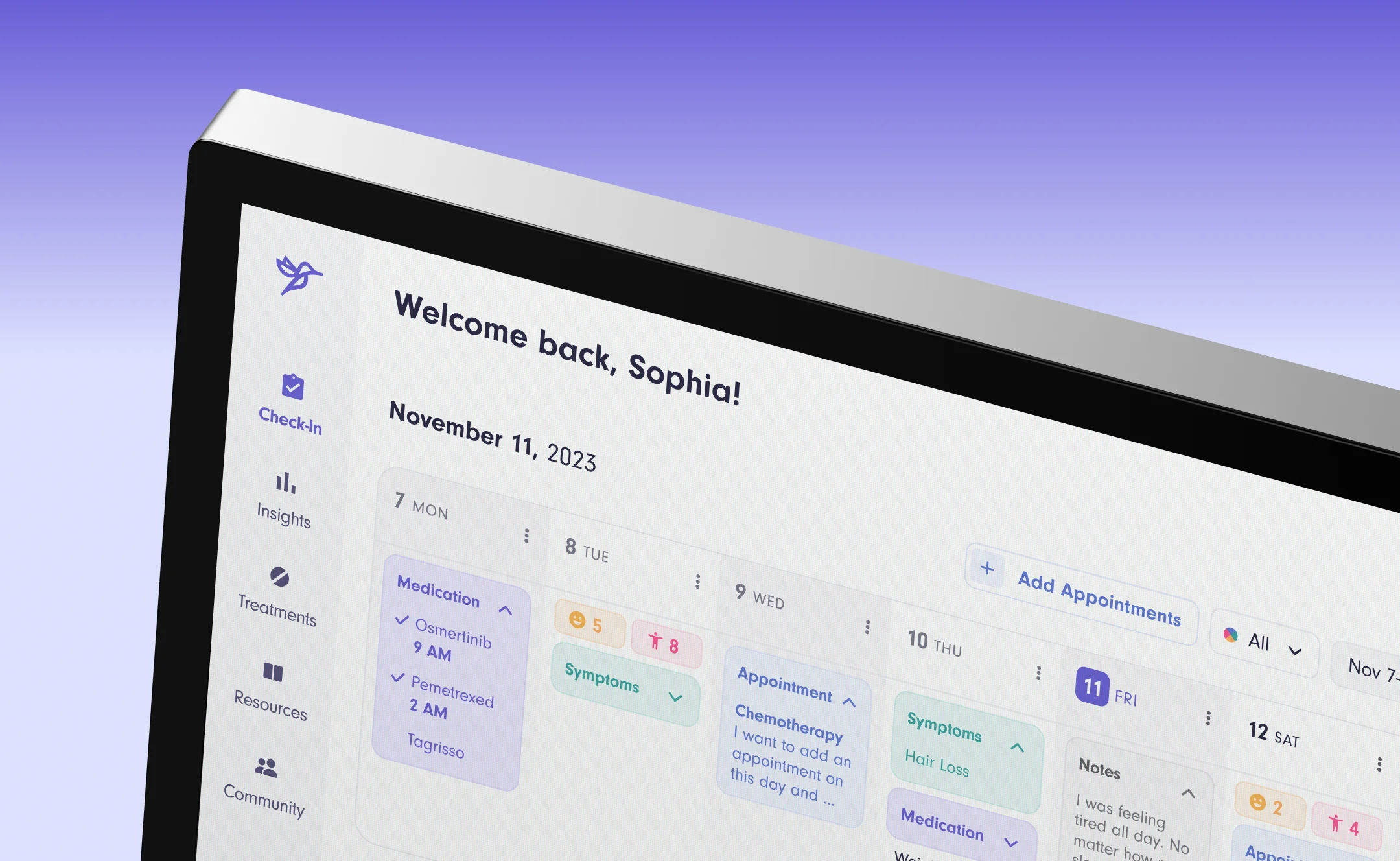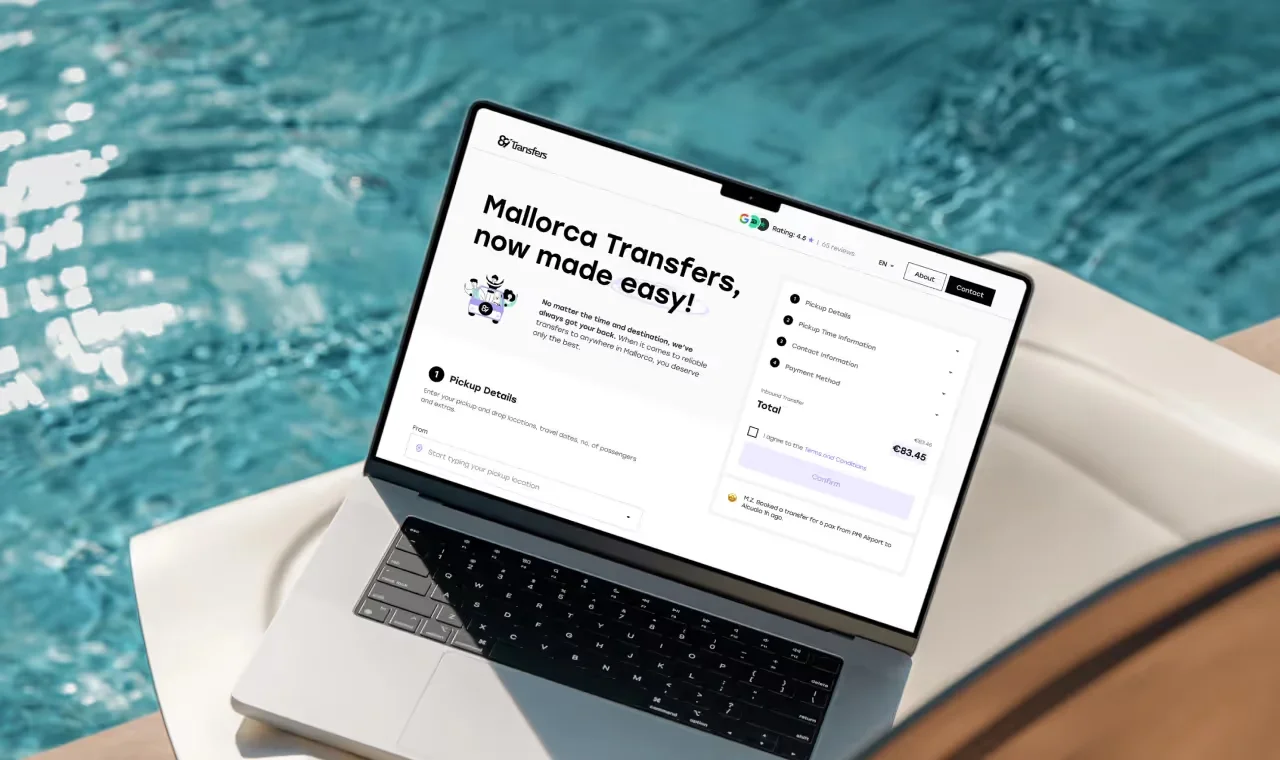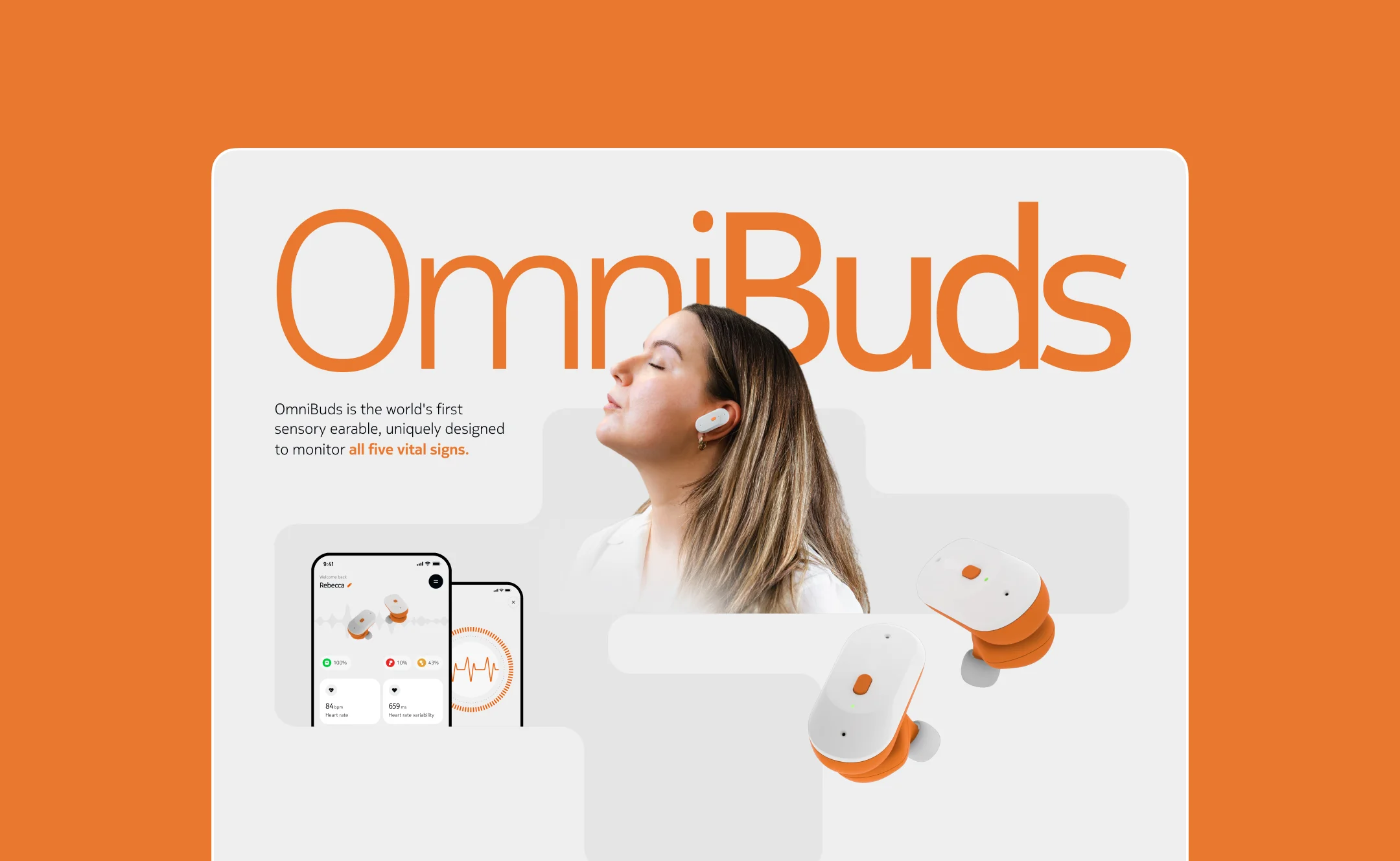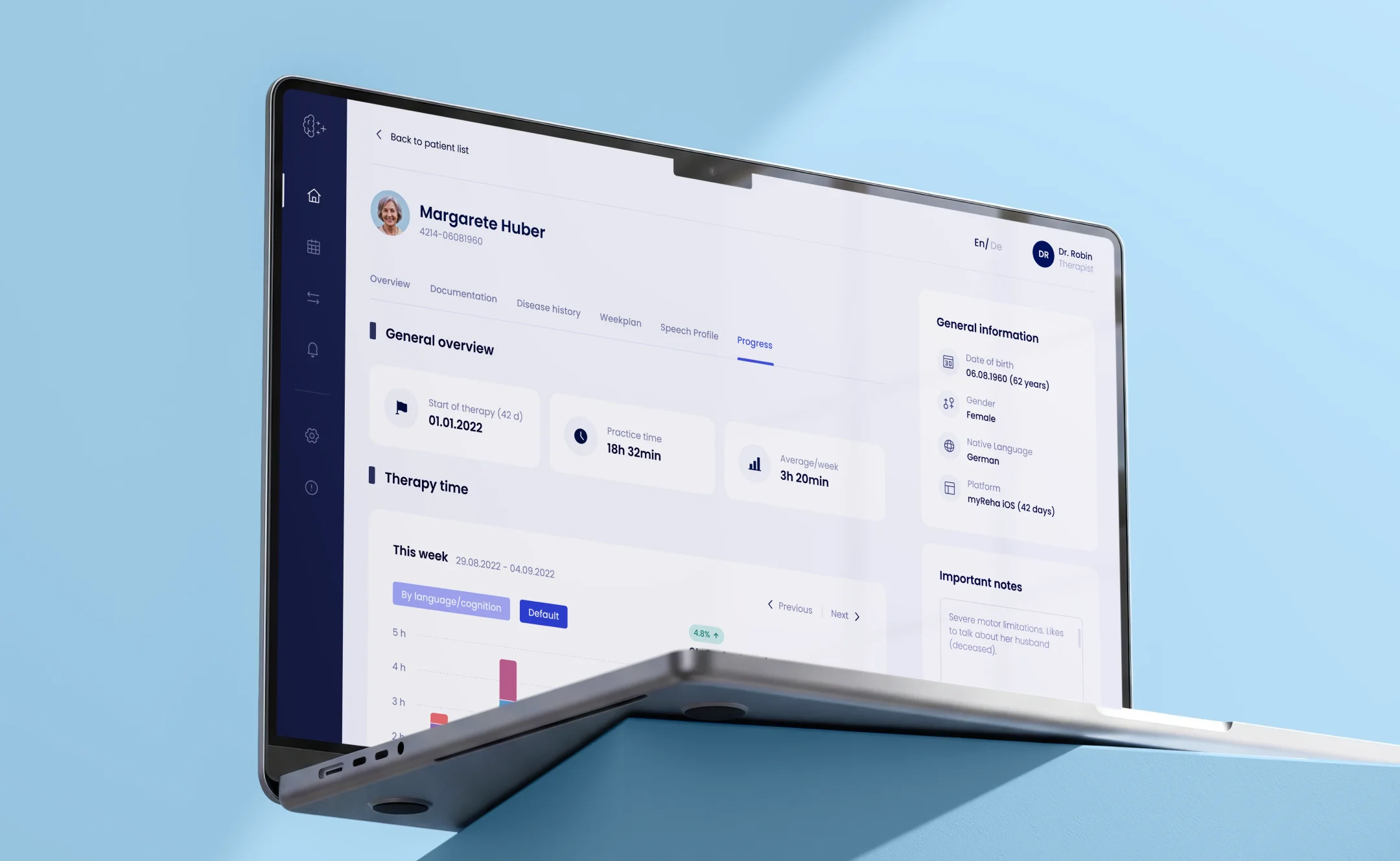




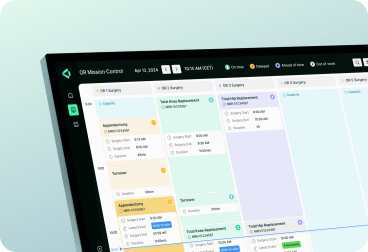

Teams leave a user testing engagement with a prioritised research report — failure points identified, severity rated, and specific design recommendations ready for the next sprint.
We run moderated and unmoderated sessions on prototypes or live products, scoped to the flows your team most needs to validate.


Your company has grown, but the brand no longer reflects scale or direction.
Your company has grown, but the brand no longer reflects scale or direction.
Your company has grown, but the brand no longer reflects scale or direction.
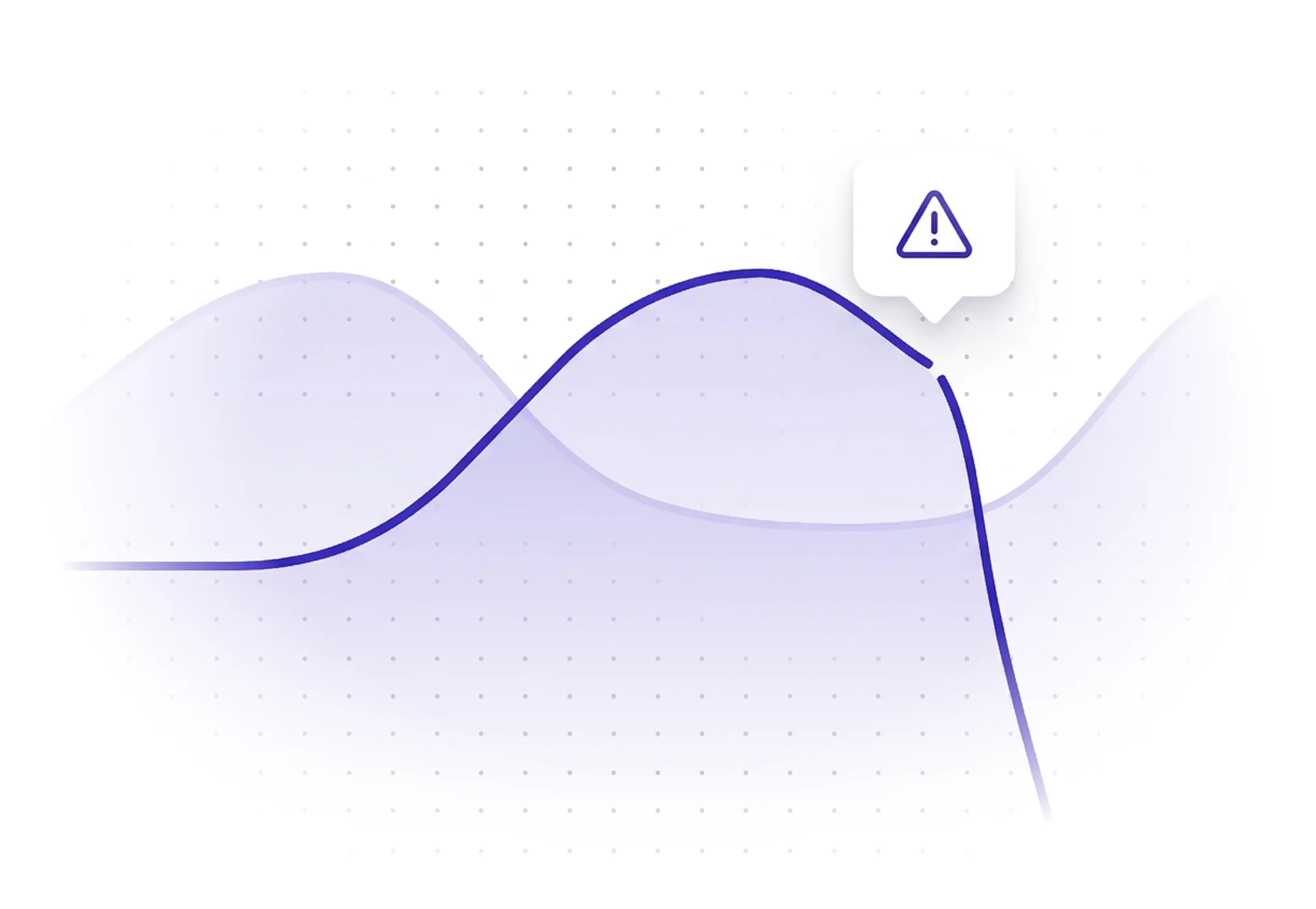
Decisions made without user data — costly fixes found only after release.
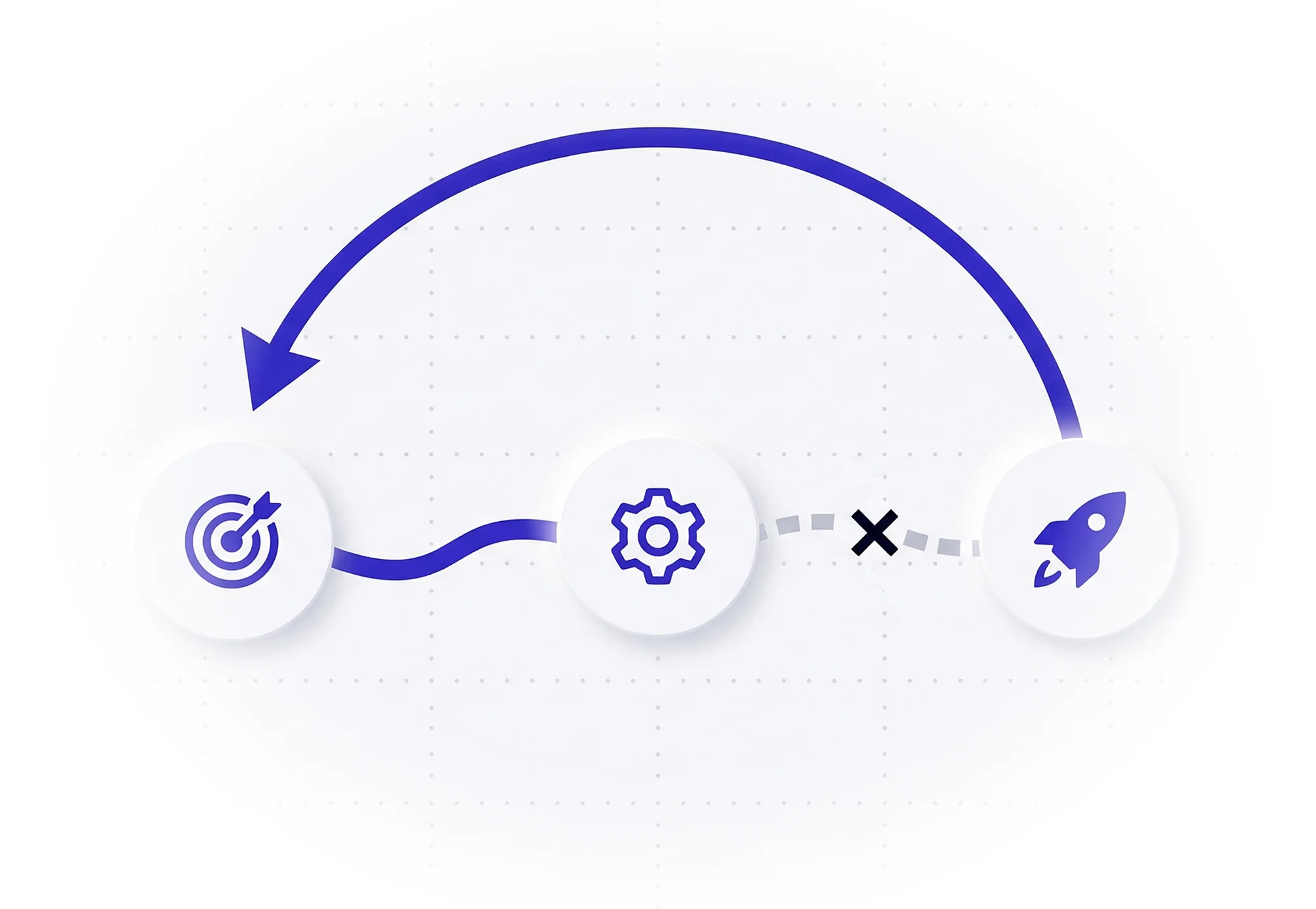
Teams test internally — real friction never surfaces before launch.
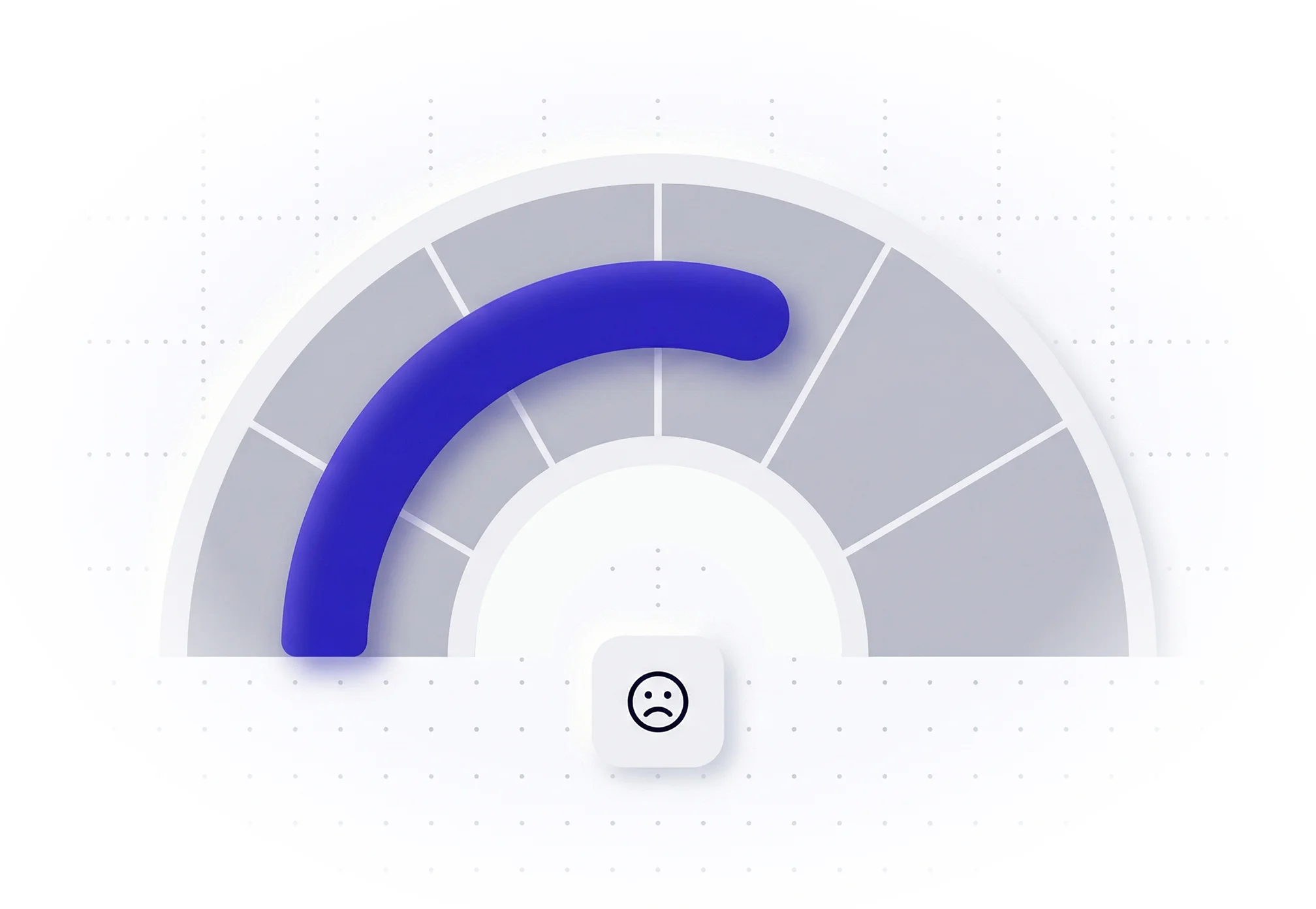
Feedback gathered but unstructured — no patterns, no priorities, no action.

“All projects in which we’ve involved Halo Lab have been great successes, but their leadership on our brand refresh is worth highlighting.”

“We’ve had feedback from users, investors, and employees, and everyone has said that Halo Lab did a fantastic job with the branding.”

“We’re proud of their branding services. They not only do what we tell them but also make suggestions to help us improve our offerings.”

What we deliver
Structured tasks with real users — finding where the interface slows down or confuses.
One-on-one sessions where a researcher observes users completing tasks in real time.
Remote self-guided tests deployed to participants — scaling coverage without scheduling.
Navigation tested independently of visual design — finding where users get lost in IA.
Users sort and group content — revealing the mental models behind navigation choices.
Prototype tested with users before development — validating flows before engineering starts.
Findings in a prioritised report with severity ratings and design recommendations.
Expert evaluation against usability principles — finding issues without recruiting users.


How we work

Start with a strategy call where we align on your goals, challenges, and priorities, and set a clear direction for the entire branding process.
3–4 Days
Research & analysis

We align on research goals, define user segments, and agree on what decisions the testing must inform.
.webp)
We write screener criteria, recruit participants matching your target profile, and schedule sessions.
.webp)
We write the test script, define tasks and prompts, and prepare the prototype or live product for sessions.
.webp)
We run moderated sessions or deploy unmoderated tests — observing, noting patterns, capturing failure points.
.webp)
We synthesise findings into a prioritised report with severity ratings and design recommendations.
Start with a strategy call where we align on your goals, challenges, and priorities, and set a clear direction for the entire branding process.
3–4 Days
Research & analysis
Industries we serve

Clinical UX testing for care apps — validating workflows with real clinical users before deployment.
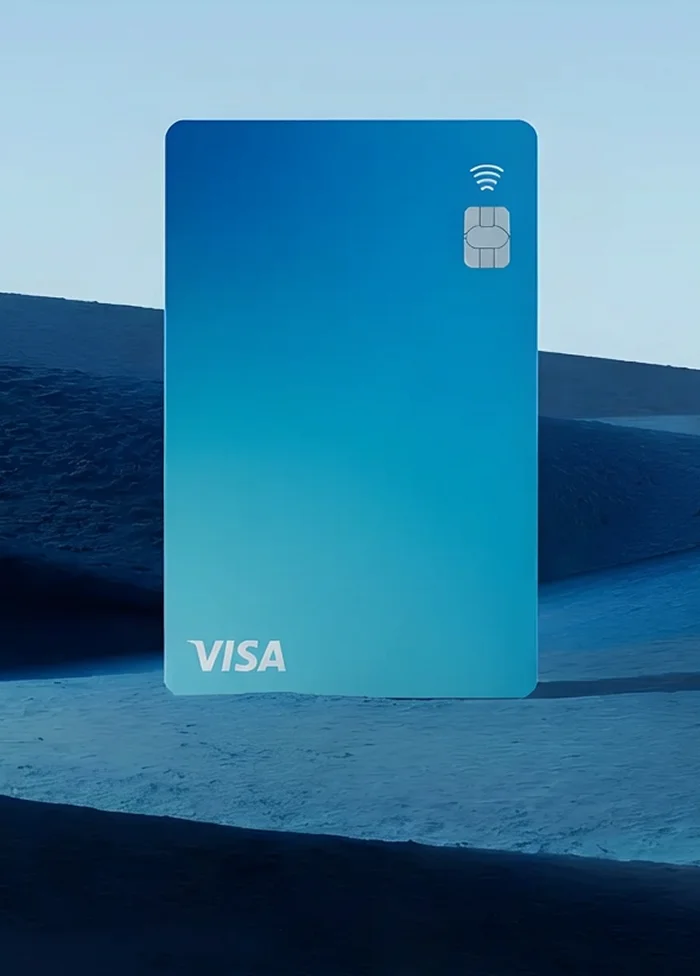
Usability testing for fintech products — validating flows with traders, advisors, and retail users.

Fleet and ops tool testing — validating data-heavy interfaces with real operators and dispatchers.
Property platform testing — validating search, listing, and agent workflows with real target users.

EdTech usability testing — validating learning flows, onboarding, and navigation with real students.

Crypto product testing — validating wallet, DeFi, and governance flows with real target users.

Health app testing — validating habit-tracking, coaching, and onboarding with target user groups.
Enterprise SaaS testing — validating dashboards and admin tools with real technical platform users.

120+ experts and 500+ projects provide insights into solutions that fit the market.

Projects start with research, positioning, and clear goals for data-driven decisions.
No templates or generic patterns — only custom design shaped for your objectives.
We turn complex ideas into clear, scalable designs for SaaS, B2B, and tech companies.

Structured communication and transparent workflows keep you aligned at every step.

Clear pricing and adaptable scopes help you stay on budget and ensure top quality.
“Halo Lab is very organized in planning to achieve the goals within the set deadlines. We feel they were part of our internal team project.”

“Their experts have a very diverse range of skills and always find a solution to exposed issues. The communication process was clear.”

“During the collaboration, Halo Lab prioritized our people, always taking into account our input and ideas and giving all team members a voice.”

“The Halo Lab team unified branding across our patients’ app, showcasing professionalism, convenience, and consistency.”

“Halo recreated our existing portal with a modern and beautiful experience, greatly increasing usability and delight for the end user.”

“Halo Lab is brilliant. We were impressed with their timely delivery, cost-effectiveness, and the people who knew what they were doing!”

“The value we get from Halo Lab and their quality designs sets them apart from others. They are the right mix of price, talent, and style.”

“We gave the Halo Lab team a chance, and we immediately knew they were the ones we wanted to work with.”

“The Halo Lab work pleasantly surprised us, and bringing in their professional design team has been a worthy investment for us.”

“When collaborating with Halo Lab, we felt that communication was straightforward and that the deliverables fit what we expected.”

“Halo Lab has helped us with a rebrand and defined a new name, logo, and color palette. We’ve had a great experience working with them.”


13 years
We’ve built one of the most trusted agencies
150+
Specialists in design, engineering & product management
78%
Returning clients in Europe & North America
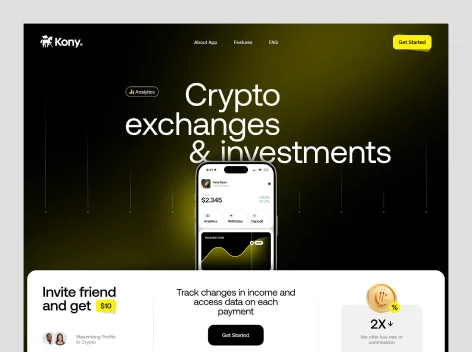
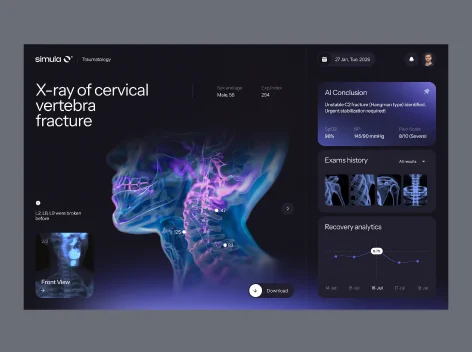
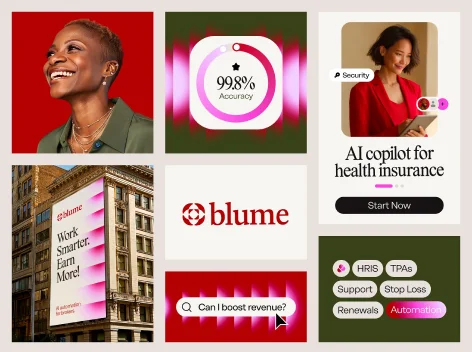
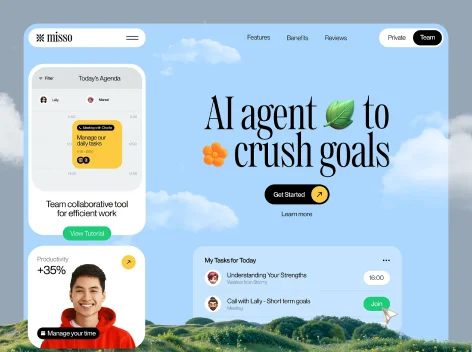
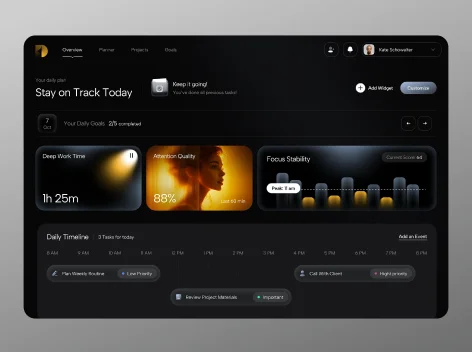
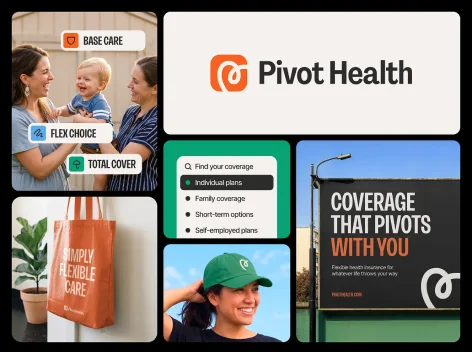
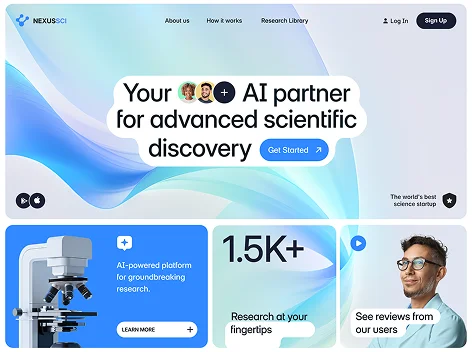
Moderated and unmoderated usability sessions, prototype testing, tree testing, card sorting, expert review, and a prioritised research report with severity ratings and design recommendations.
Most usability studies use 5 to 8 participants per user segment. More participants are recommended for quantitative studies or products with multiple distinct user groups.
Moderated testing is researcher-facilitated with live observation and follow-up questions. Unmoderated testing is self-guided and remote, using a defined script. Both formats are scoped to your research goals.
Yes. We test Figma prototypes, staging environments, and live products — scoped to the flows and decisions most critical to your current design phase.
Most user testing engagements take 2 to 3 weeks from brief to final report, depending on recruitment complexity, number of participants, and session format.
Yes. Every engagement includes a structured research report with prioritised findings, severity ratings, recorded clips or highlights, and specific design recommendations.
Yes. Comparative usability testing against a competitor product or previous version helps frame findings relative to your competitive context.
Both options are available. We write screener criteria and recruit through our panel network, or we can work with a participant list you provide.
Yes. We can run follow-up sessions to walk through findings, prioritise recommendations, and align on design actions before the next sprint begins.