


Enterprise mobile software is used standing up — in a warehouse, on a site, between appointments — by people who were assigned the app rather than choosing it. Adoption is not a marketing problem; it is decided by how many taps a shift takes.
So we design for those conditions: role-based interfaces showing only what a job requires, offline behaviour and sync conflicts designed as core flows, and SSO, enrolment, and permission screens that satisfy IT without punishing the person using them.


3 main challenges holding back your growth

Outgrown identity
Your company has grown, but the brand no longer reflects scale or direction.
Outgrown identity
Your company has grown, but the brand no longer reflects scale or direction.
Outgrown identity
Your company has grown, but the brand no longer reflects scale or direction.
Desktop system on mobile
The full enterprise interface ported over — a field task takes twenty taps.
Every role sees it all
One interface for technicians, managers, and admins — nobody sees their work.
Offline treated as error
The app stops working in the warehouse or basement where the job happens.

“All projects in which we’ve involved Halo Lab have been great successes, but their leadership on our brand refresh is worth highlighting.”

“We’ve had feedback from users, investors, and employees, and everyone has said that Halo Lab did a fantastic job with the branding.”

“We’re proud of their branding services. They not only do what we tell them but also make suggestions to help us improve our offerings.”

What we deliver
Enterprise app design from
role mapping to handoff
Role-Based Interfaces
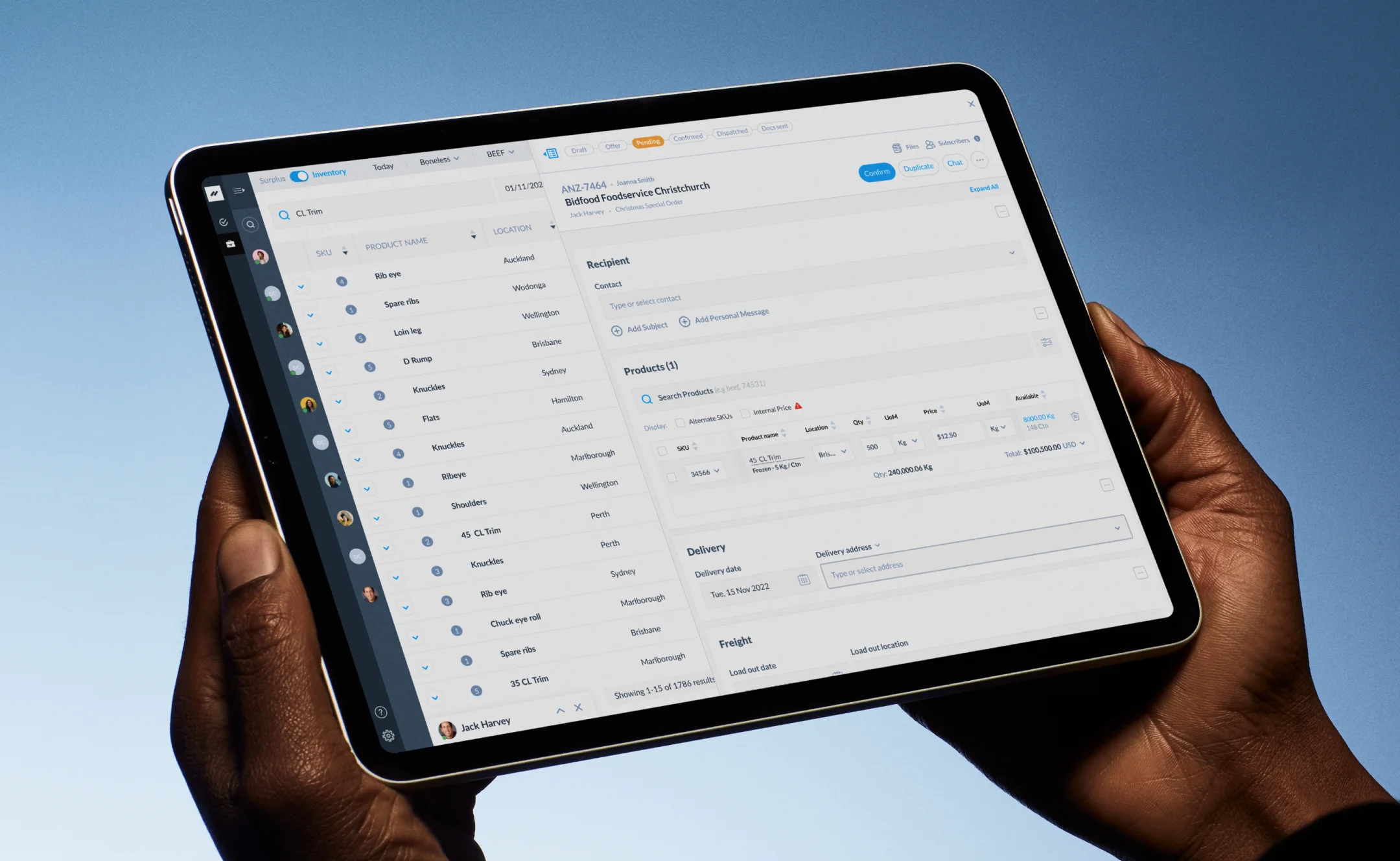
Separate views for field, supervisor, and admin roles, each showing only what that job needs.
Field Task Flows
Daily tasks designed for gloves, glare, and standing use in short bursts between other work.
Offline & Sync Design
Offline capture, queued actions, and conflict resolution designed as normal behaviour, not errors.
Scanning & Capture
Barcode, photo, and form capture designed so a shift keeps moving rather than pausing for data.
Approval & Workflow
Requests, approvals, and escalations handled from a phone without a trip back to the desktop.
SSO & Access Screens
Login, device enrolment, and permission states designed around the requirements IT already has.
Adoption & Rollout
Onboarding, training, and in-app help designed for staff who were assigned the app, not sold it.
Design System
Reusable component library delivered, so your team ships new screens without a full redesign.


Our most ambitious work
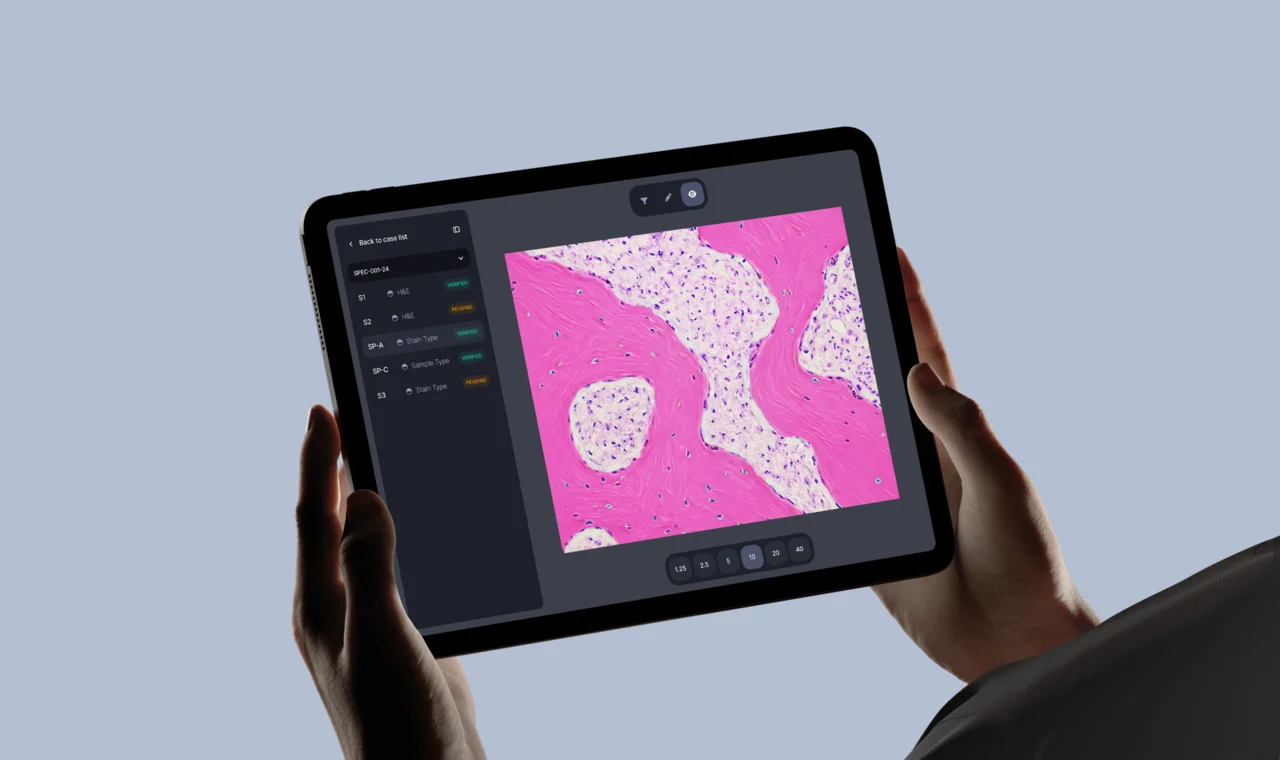
How we work
Our process for your
enterprise app design

Start with a strategy call where we align on your goals, challenges, and priorities, and set a clear direction for the entire branding process.
3–4 Days
Research & analysis


 (1).avif)
Role & Workflow Mapping
We map each role, the shift it works, and the physical conditions the app is used in, before any flow or screen is designed.
3–5 Days Audience map
.avif)
App Architecture & User Flows
We structure role-based navigation, permissions, and task flows — validated before wireframing begins.
3–5 Days Flow structure
.avif)
Wireframes
We wireframe critical enterprise screens — field task, approval, and offline states — validated before full visual design.
3–5 Days Wireframes
.avif)
UI Design & Design System
We design every screen for iOS and Android — and build the component library alongside each flow.
1–3 Weeks UI designs
.avif)
Engineering Handoff
Annotated Figma files, platform specs, and component documentation — your team builds without ambiguity.
2–3 Days Handoff
Start with a strategy call where we align on your goals, challenges, and priorities, and set a clear direction for the entire branding process.
3–4 Days
Research & analysis
Industries we serve
Mobile app design for
diverse organisations


Healthcare
Mobile app design for hospitals, clinics, and health systems.
Financial Services
Mobile app design for banks, insurance firms, and financial platforms.

Logistics
Mobile app design for logistics, transport, and supply chain companies.

Real Estate
Mobile app design for property developers and management firms.

Education
Mobile app design for schools, universities, and e-learning platforms.

Web3 & Blockchain
Mobile app design for Web3 startups and blockchain-based products.

Wellness/Fitness
Mobile app design for wellness brands, gyms, and fitness studios.
Information Technology
Mobile app design for tech companies, software products, and platforms.
6 reasons why clients
choose Halo Lab

Team with industry depth

Strategy before design
Custom-only approach
Expertise for complex needs

Clear, collaborative process

Flexible value for any budget
100+ verified
love letters
“Halo Lab is very organized in planning to achieve the goals within the set deadlines. We feel they were part of our internal team project.”

“Their experts have a very diverse range of skills and always find a solution to exposed issues. The communication process was clear.”

“During the collaboration, Halo Lab prioritized our people, always taking into account our input and ideas and giving all team members a voice.”

“The Halo Lab team unified branding across our patients’ app, showcasing professionalism, convenience, and consistency.”

“Halo recreated our existing portal with a modern and beautiful experience, greatly increasing usability and delight for the end user.”

“Halo Lab is brilliant. We were impressed with their timely delivery, cost-effectiveness, and the people who knew what they were doing!”

“The value we get from Halo Lab and their quality designs sets them apart from others. They are the right mix of price, talent, and style.”

“We gave the Halo Lab team a chance, and we immediately knew they were the ones we wanted to work with.”

“The Halo Lab work pleasantly surprised us, and bringing in their professional design team has been a worthy investment for us.”

“When collaborating with Halo Lab, we felt that communication was straightforward and that the deliverables fit what we expected.”

“Halo Lab has helped us with a rebrand and defined a new name, logo, and color palette. We’ve had a great experience working with them.”


12 years
We’ve built one of the most trusted agencies
150+
Specialists in design, engineering & product management
78%
Returning clients in Europe & North America

FAQ
Why invest in branding services?
Why invest in branding services?
What does enterprise app design include?
Role-based interface design, field task flows, offline and sync behaviour, scanning and data capture, approval and workflow screens, SSO and access states, adoption and rollout design, usability testing, and a design system with engineering handoff.
How do you handle multiple roles in one app?
Each role gets its own home screen and navigation. A technician sees today's jobs, a supervisor sees exceptions, an admin sees configuration — nobody scrolls past work that belongs to someone else.
How do you design for offline use?
Offline is a normal state, not an error. Capture continues, actions queue, and sync conflicts have designed resolution screens — because the warehouse and the basement are where the work happens.
How do you improve adoption of an assigned app?
By cutting taps on the tasks done every shift, and by designing onboarding and in-app help for staff who did not choose the tool. Adoption follows speed on the daily task, not features.
Do you design for scanners and rugged devices?
Yes. Barcode and photo capture, hardware scanner triggers, large touch targets for gloves, and high-contrast layouts for glare are designed into the core flows rather than added later.
How long does enterprise app design take?
Most enterprise app design projects run 12 to 18 weeks from discovery to handoff, depending on the number of roles, integration scope, and how many workflows are in the first release.
Do you work with our IT and security requirements?
Yes. SSO, MDM enrolment, permission states, session timeouts, and audit requirements are treated as design constraints from the start, so screens satisfy IT without frustrating the person using them.
Do you run usability testing?
Yes. Prototypes are tested with the staff who will actually use the app, on their own devices and in their own conditions, before a single screen goes to engineering.
Can you also develop the app?
Yes. Design and development are delivered by one team — iOS, Android, or cross-platform build, ERP and backend integrations, offline sync engineering, and QA before rollout.