Engineering
Link to Industry
UX/UI design
Link to Service
Website design
Link to Service
Webflow development
Link to Service
Vixiv

Launching an AI-powered engineering platform from beta to market-ready product

1
2
3
Engineering
Link to Industry
2026
2025
UI/UX, web design and Webflow development of an AI-powered engineering platform by Halo Lab

About the project

Vixiv is a Cincinnati-based AI-driven design platform created to revolutionize how engineers optimize parts for additive manufacturing. Instead of months of manual trial and error, engineers upload a CAD model, set constraints like load and material, and receive dozens of validated design variations in minutes.

The platform produces functionally graded lattice structures trained on real-world destructive testing data — not synthetic simulations. Aiming at early- to mid-career engineers in aerospace, automotive, and medical fields, Vixiv connects the gap between initial concept and production-ready geometry with a speed that traditional tools cannot provide.
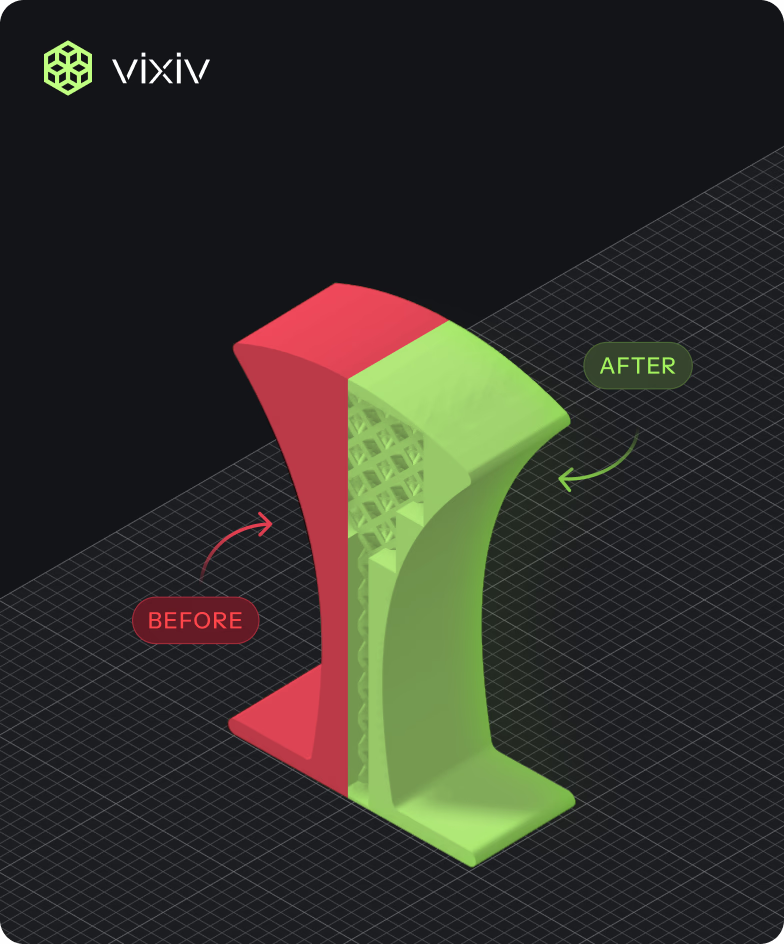
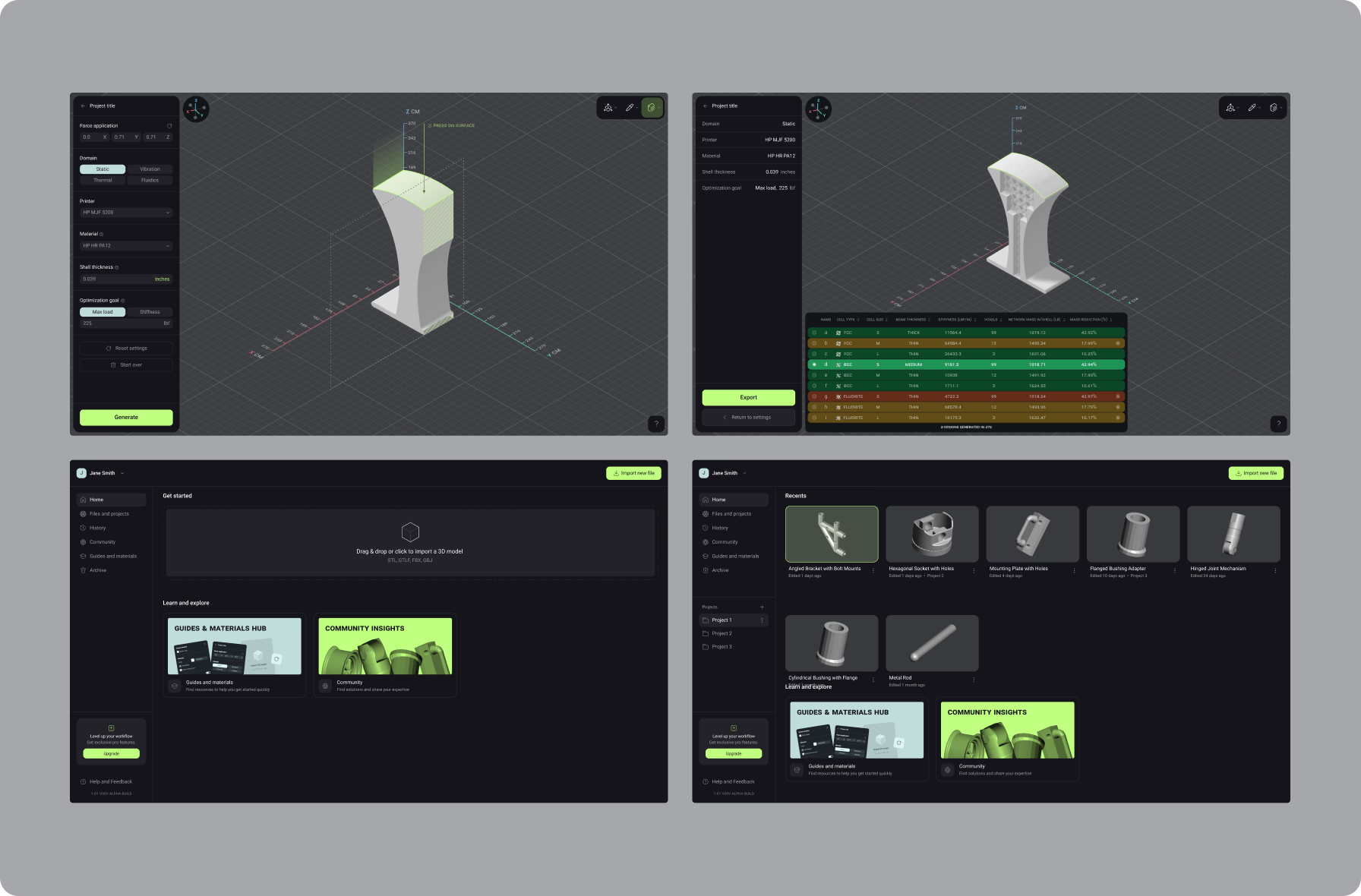
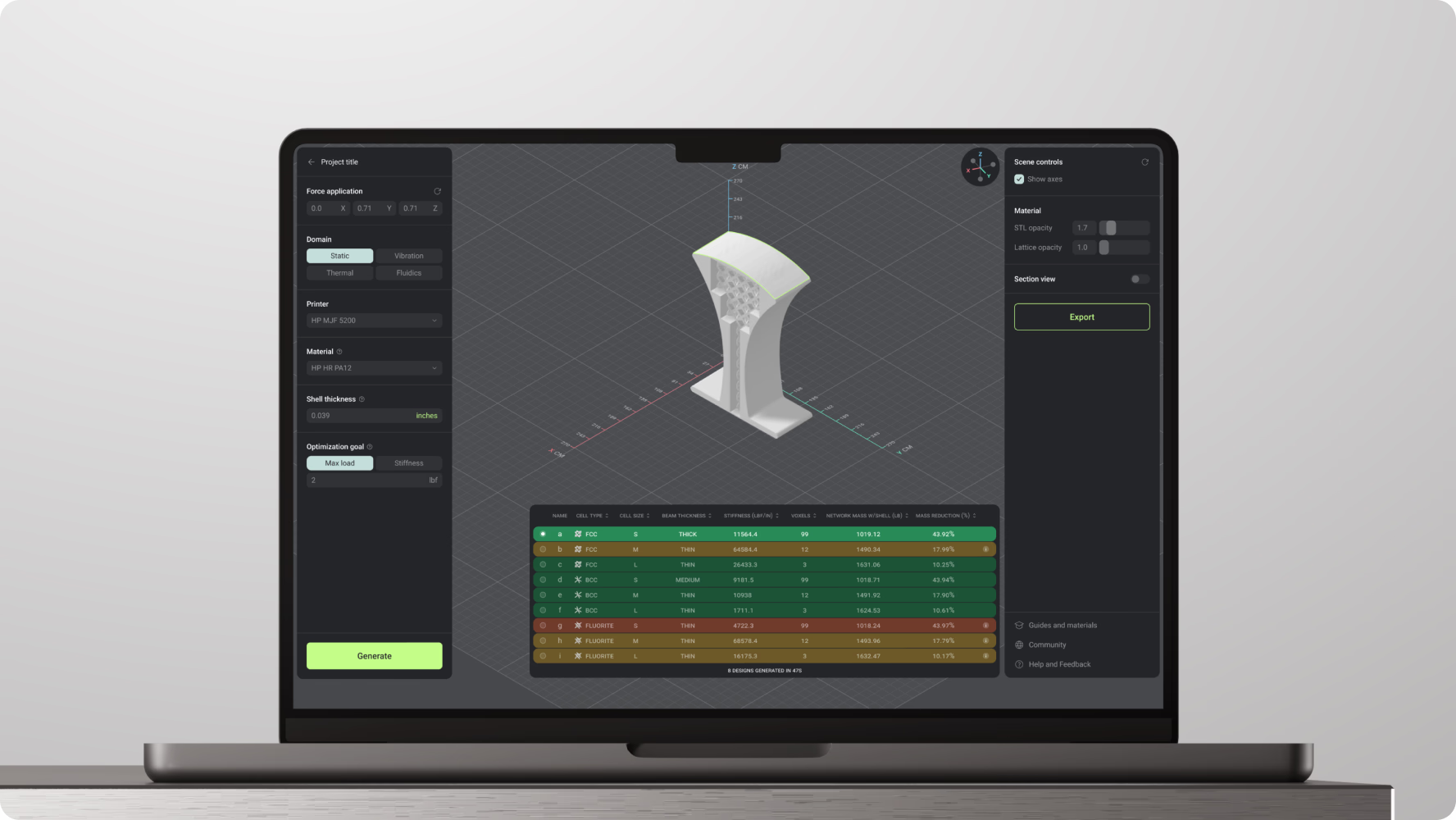
Halo Lab’s UI/UX design for the engineering platform
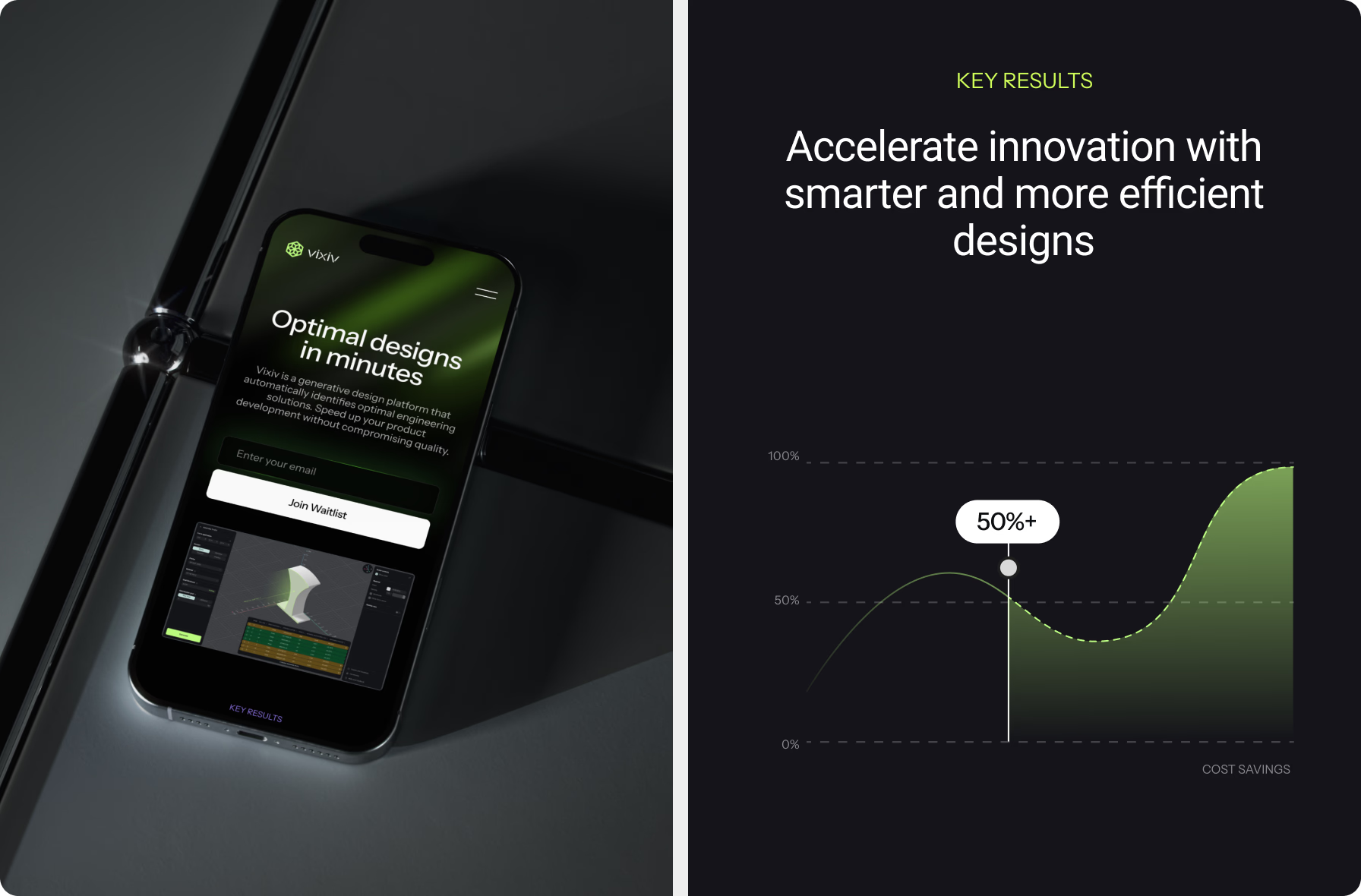
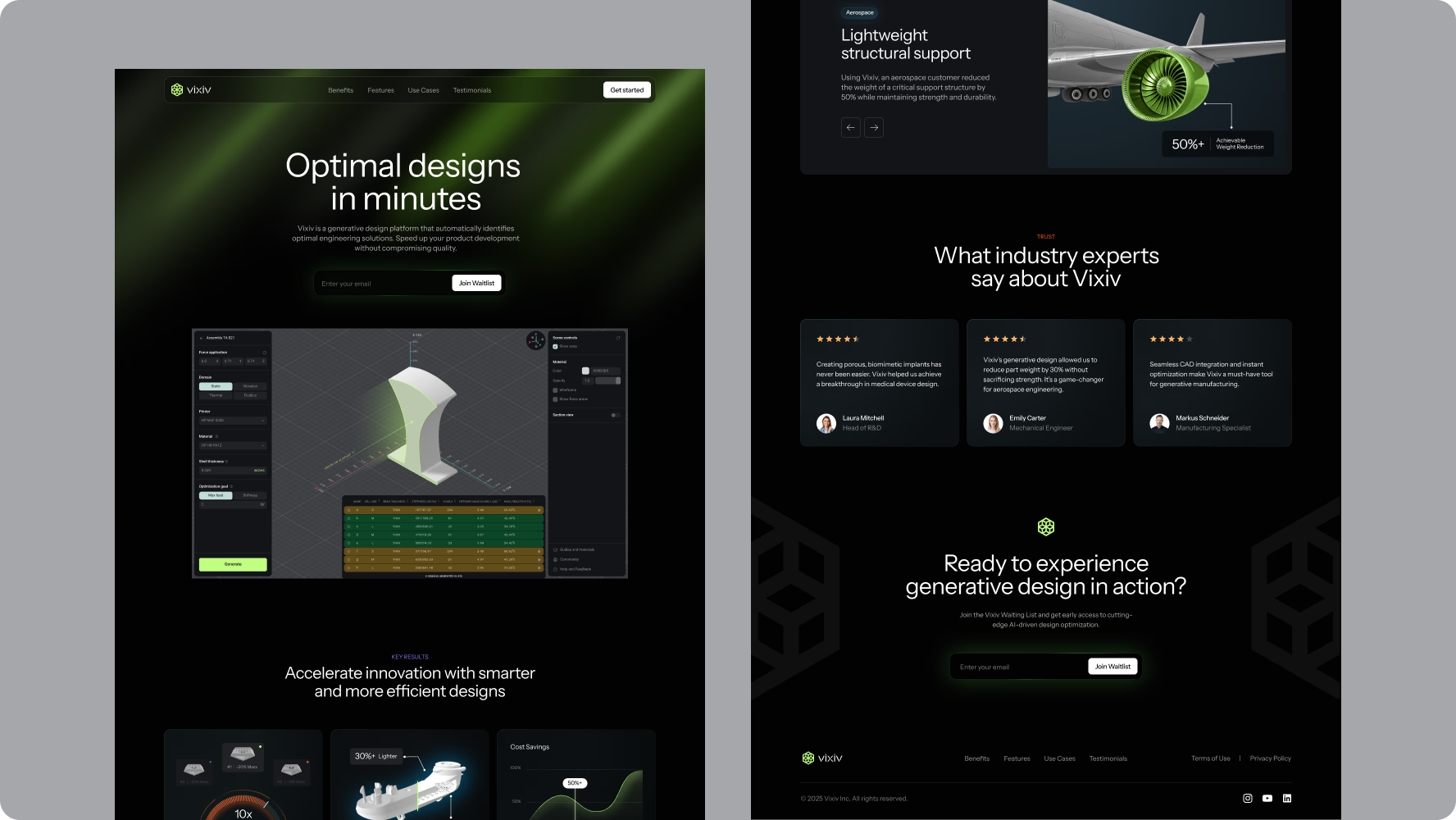
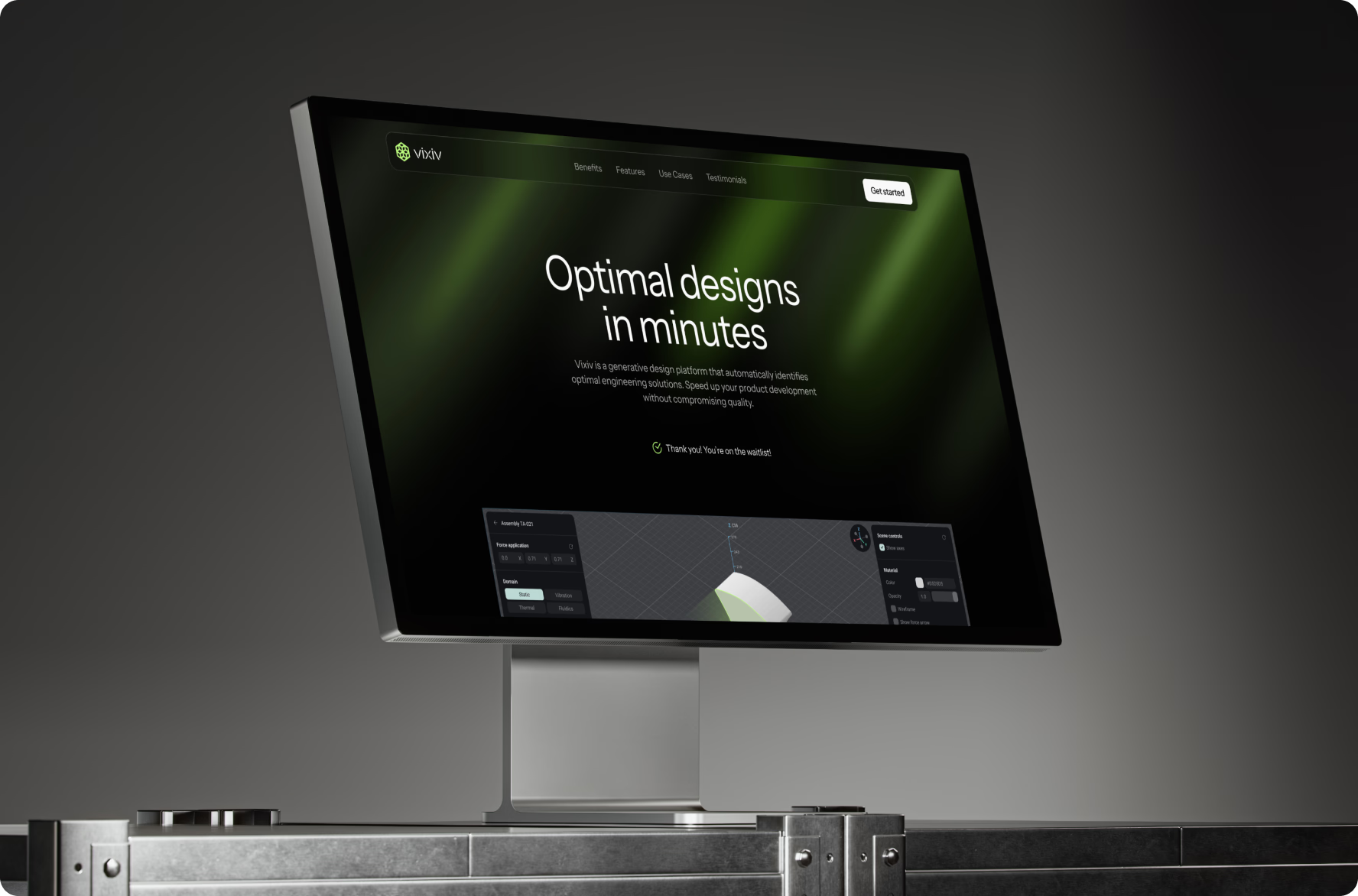
UX/UI design and Webflow development by Halo Lab for landing page

Challenge

Vixiv had a functional beta, no public-facing presence, and a hard conference deadline weeks away. The team needed a polished promotional video, a landing page to capture interested engineers, and then a complete product interface redesign to support external beta users — all within a four-month engagement.

Web design and Webflow implementation by Halo Lab delivering polished promotional video and landing page

Our process

We moved from a high-pressure conference sprint into sustained product design and development, shaping the public brand and the core engineering tool.

{{dropdowns-1}}

{{slider-1}}

Results

Vixiv launched its public beta on schedule, with the landing page and promo video ready for the conference deadline. The redesigned product interface gave external beta users a clear, self-guided path from model upload through AI-generated optimization — replacing what had been an internal-only alpha. The platform gained press coverage across industry publications, including Fabbaloo and Additive Manufacturing Media, strengthening Vixiv’s visibility in generative design.

Our approach

We viewed an urgent conference deadline as a forcing function, delivering public assets first and then applying that momentum to deeper product design and engineering work.

{{approach}}

Julia Shumanova
Sales manager
book a call
Let’s create a clear and actionable roadmap for your project.
5.0
star iconstar iconstar iconstar iconstar icon
Want to get results like these for your product?
Book a call

01 · Discovery & research

We mapped Vixiv’s optimization workflow against 5 competitors, including nTop, Autodesk, and Altair Sulis. This analysis clarified where an AI-first approach created distinct UX opportunities that manual-heavy rivals could not replicate.

UX/UI design analysis by Halo Lab identifying gaps in competitors to create AI-driven user flows

Deliverables

  • Competitor benchmarking
  • Workflow audit
  • Conference timeline plan

02 · UX/UI design

We created the full product interface — from login and registration through the 3D workspace where engineers set constraints and review AI-generated results. Iterative feedback led to key decisions, such as maximizing 3D viewing space.

UX/UI design by Halo Lab delivering full product interface

Deliverables

  • 3D workspace screens
  • Account & billing pages
  • History & file management

03 · Web design & development

We designed and built a 3-screen Webflow landing page with a splash screen to convert engineers post-conference. A motion designer created a 2-min animated video using demo screens showing the beta's full capabilities.

Web design, Webflow development, and UX/UI execution by Halo Lab for Vixiv platform

Deliverables

  • Landing page design
  • Webflow development
  • Promotional video

04 · Front-end development & QA

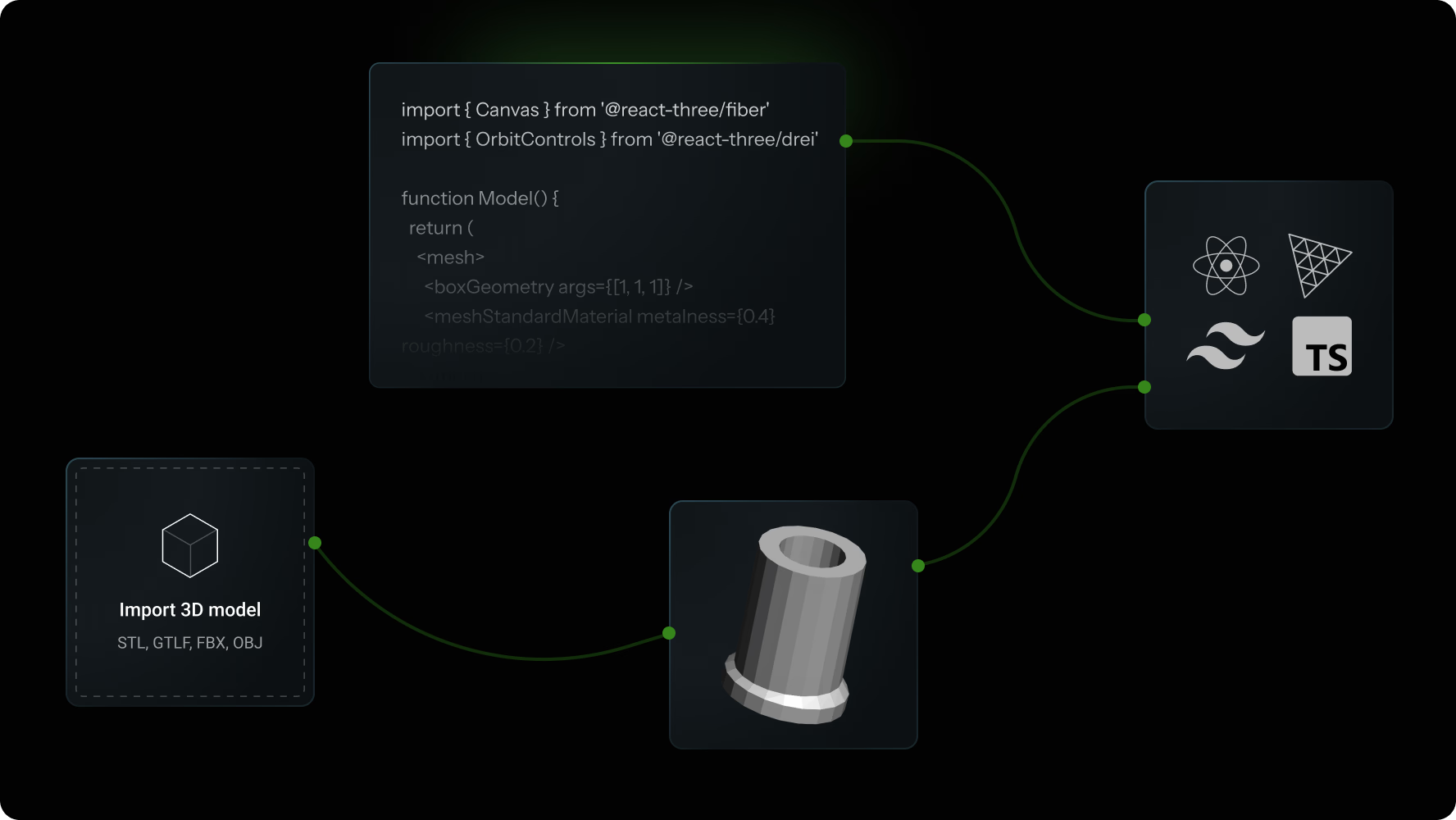
The front-end team built the product using TypeScript, React, TailwindCSS, and Three.js, with a 3D specialist on the model viewer. Our QA specialist tested browser compatibility, console errors, image optimization, and 404 errors for stability.

development by Halo Lab using React, TypeScript, TailwindCSS, and Three.js with 3D model viewer implementation

Deliverables

  • React product build
  • Three.js 3D integration
  • Pre-release QA validation

Team

A cross-functional team worked in close sync, continuously adapting to new insights from classroom trials and robot behavior.

  • 1 Project Manager
  • 2 Brand Designers
  • 2 UI/UX Designers
  • 2 Web Designers
  • 1 Front-end Developer
  • 1 Back-end Developer
  • 1 QA Engineer

Technologies

Our stack supported offline interaction, hardware communication, scalable content management, and smooth cross-platform UI.

Team

A cross-functional team of designers, developers, and a 3D specialist worked in parallel across the product interface and public-facing assets.

  • 1 Project Manager
  • 1 Lead Designer
  • 1 Product Designer
  • 1 Web Designer
  • 2 Frontend Developers
  • 1 3D Developer
  • 1 QA Engineer

Technologies

We paired Webflow for rapid landing page delivery with a React and Three.js stack for the interactive 3D product, keeping both tracks moving in parallel.

Success breeds success

Recent client and
Halo Lab wins

No items found.