




Digital transformation at Halo Lab starts with a process audit — mapping the manual workflows, disconnected tools, and legacy systems that are creating the most friction before any technology is recommended.
We define the transformation roadmap, select the right technology stack, and deliver implementation in phases — so your team adopts each change before the next begins, without disrupting the business operations that keep revenue flowing.


Your company has grown, but the brand no longer reflects scale or direction.
Your company has grown, but the brand no longer reflects scale or direction.
Your company has grown, but the brand no longer reflects scale or direction.
.webp)
Spreadsheets and email replace systems — every process takes longer than it should.
.webp)
Data lives in five tools — nobody has the full picture and decisions take too long.
.webp)
Big transformation programmes start but never finish — adoption fails, costs overrun.

“All projects in which we’ve involved Halo Lab have been great successes, but their leadership on our brand refresh is worth highlighting.”

“We’ve had feedback from users, investors, and employees, and everyone has said that Halo Lab did a fantastic job with the branding.”

“We’re proud of their branding services. They not only do what we tell them but also make suggestions to help us improve our offerings.”

What we deliver
Manual workflows, legacy systems, and tool fragmentation mapped before any technology is selected.
Tools and platforms selected against your processes, team, and budget — vendor-neutral evaluation.
Phased roadmap with priorities, dependencies, and success metrics defined before implementation.
Manual workflows replaced with digital systems — designed for adoption, not just installation.
Disconnected tools connected — data flows between systems without manual re-entry or duplication.
Outdated systems replaced in phases — business operations maintained throughout the migration.
Team training, adoption planning, and change communication — so new systems are actually used.
KPIs defined before implementation — progress measured and reported at each phase milestone.


How we work

Start with a strategy call where we align on your goals, challenges, and priorities, and set a clear direction for the entire branding process.
3–4 Days
Research & analysis
%20(1).webp)
We map existing workflows, tools, and pain points across the organisation — identifying the highest-friction processes before any technology is recommended.
.webp)
We evaluate technology options against your processes, team capability, and budget — vendor-neutral recommendation with total cost of ownership considered.
.webp)
We define a phased roadmap — priorities, dependencies, change management approach, and success metrics agreed before any implementation begins.
.webp)
We implement one phase at a time — digitising processes, integrating systems, and confirming adoption before the next phase begins.
.webp)
We measure outcomes against defined KPIs at each milestone — optimising the implementation and adjusting the roadmap as the organisation adopts each phase.
Start with a strategy call where we align on your goals, challenges, and priorities, and set a clear direction for the entire branding process.
3–4 Days
Research & analysis
Industries we serve
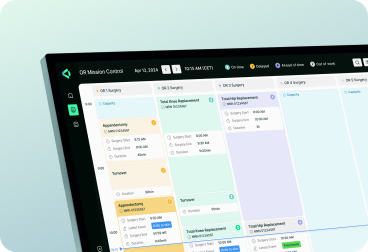
Digital transformation for healthcare — clinical workflow digitisation, compliance, and system integration.
Digital transformation for fintech and financial services — process automation and legacy modernisation.

Digital transformation for logistics — fleet management, route optimisation, and ops process automation.
Digital transformation for property — listing, transaction, and asset management process digitisation.

Digital transformation for education — administrative, learning, and student process digitisation.

Digital transformation for Web3 organisations — on-chain process integration and workflow automation.

Digital transformation for wellness — booking, client management, and programme delivery digitised.
Digital transformation for SaaS and enterprise — process automation, toolchain consolidation, and integration.

120+ experts and 500+ projects provide insights into solutions that fit the market.

Projects start with research, positioning, and clear goals for data-driven decisions.
No templates or generic patterns — only custom design shaped for your objectives.
We turn complex ideas into clear, scalable designs for SaaS, B2B, and tech companies.

Structured communication and transparent workflows keep you aligned at every step.

Clear pricing and adaptable scopes help you stay on budget and ensure top quality.
“Halo Lab is very organized in planning to achieve the goals within the set deadlines. We feel they were part of our internal team project.”

“Their experts have a very diverse range of skills and always find a solution to exposed issues. The communication process was clear.”

“During the collaboration, Halo Lab prioritized our people, always taking into account our input and ideas and giving all team members a voice.”

“The Halo Lab team unified branding across our patients’ app, showcasing professionalism, convenience, and consistency.”

“Halo recreated our existing portal with a modern and beautiful experience, greatly increasing usability and delight for the end user.”

“Halo Lab is brilliant. We were impressed with their timely delivery, cost-effectiveness, and the people who knew what they were doing!”

“The value we get from Halo Lab and their quality designs sets them apart from others. They are the right mix of price, talent, and style.”

“We gave the Halo Lab team a chance, and we immediately knew they were the ones we wanted to work with.”

“The Halo Lab work pleasantly surprised us, and bringing in their professional design team has been a worthy investment for us.”

“When collaborating with Halo Lab, we felt that communication was straightforward and that the deliverables fit what we expected.”

“Halo Lab has helped us with a rebrand and defined a new name, logo, and color palette. We’ve had a great experience working with them.”


13 years
We’ve built one of the most trusted agencies
150+
Specialists in design, engineering & product management
78%
Returning clients in Europe & North America
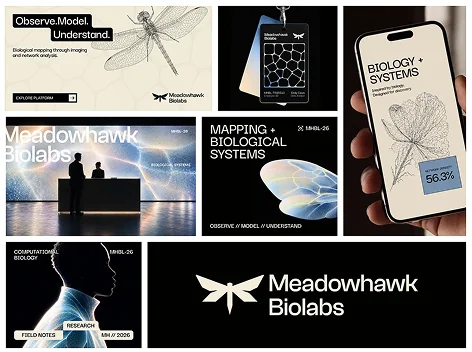
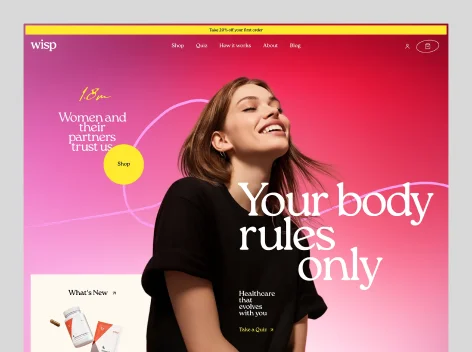
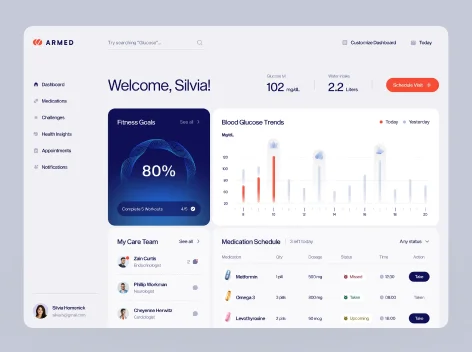
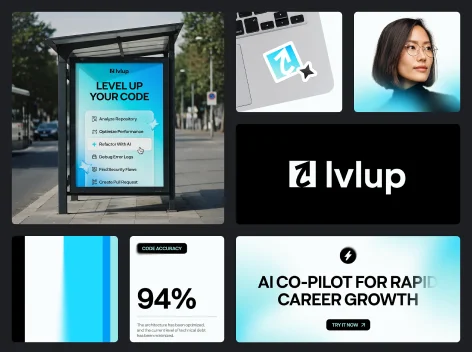
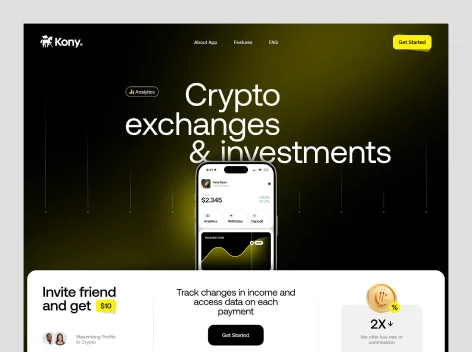
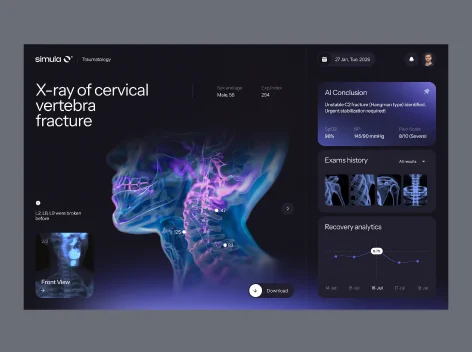
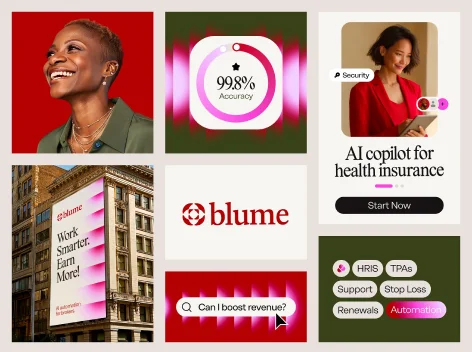
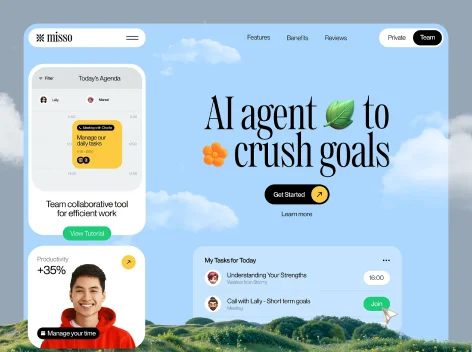
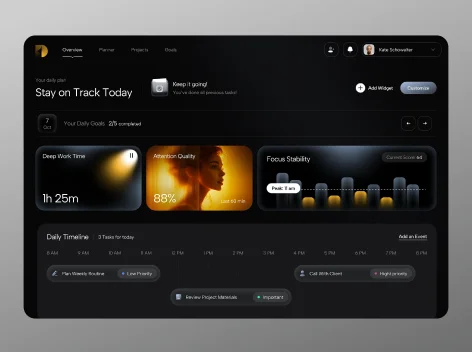

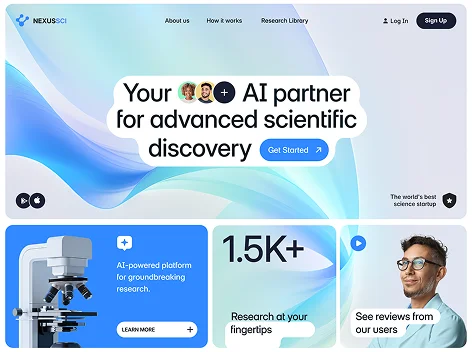
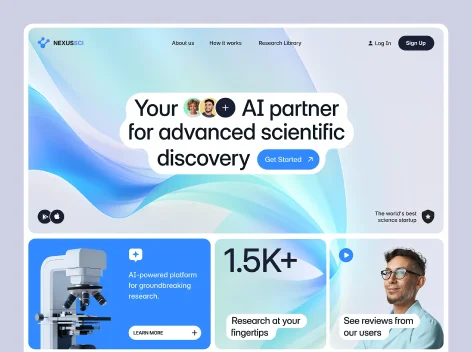
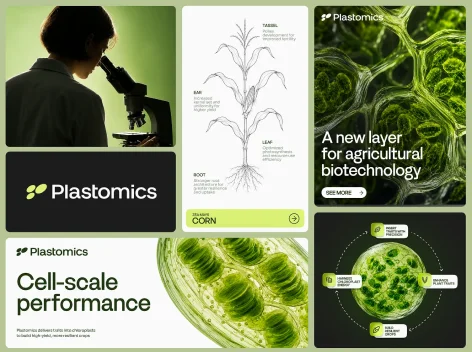
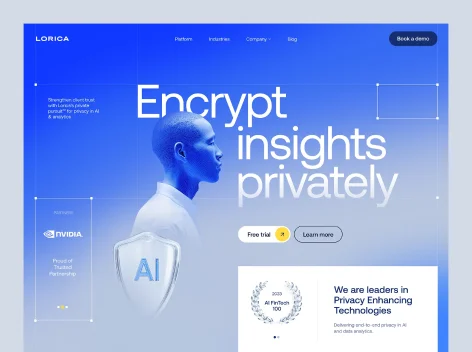

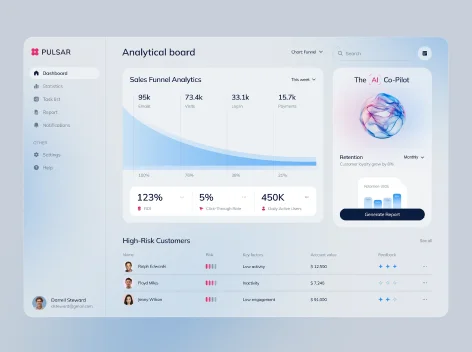
Process audit, technology selection, transformation roadmap, process digitisation, system integration, legacy replacement, change management planning, and outcomes measurement at each phase milestone.
With a process audit — mapping existing workflows, tools, and pain points before any technology is recommended. Choosing technology before understanding the processes it needs to support is the most common reason transformation programmes fail.
Timeline depends on the scope of change and the number of processes being digitised. Most programmes run 3 to 12 months in phased delivery — with each phase adopted before the next begins.
Yes, but vendor-neutral — we evaluate options against your processes, team capability, and budget, and recommend based on fit rather than commercial relationships. Total cost of ownership is considered alongside licence costs.
Yes. Connecting existing tools so data flows between them without manual re-entry is a core part of transformation delivery — we scope, build, and test integrations as part of each implementation phase.
Change management is part of the delivery — team training, communication plans, and adoption tracking included in each phase. Systems that don’t get adopted don’t transform anything.
Yes. Legacy system replacement is part of most transformation programmes — we phase the replacement so the business keeps operating during migration, with rollback options defined before each step is executed.
KPIs are defined before implementation begins — covering process efficiency, error reduction, time saved, and adoption rate. We report against them at each phase milestone and adjust the roadmap accordingly.
Yes. Ongoing retainers are available after initial phases are delivered — covering further process digitisation, system optimisation, new tool evaluation, and continuous improvement as the organisation evolves.