




Halo Lab’s security audit starts with the attack surface — mapping authentication flows, data handling, API endpoints, and third-party dependencies before any testing begins.
We deliver an OWASP-aligned vulnerability assessment, code review, and a prioritised remediation report with severity ratings and specific fixes — so your engineering team knows exactly what to address before the next release.


Your company has grown, but the brand no longer reflects scale or direction.
Your company has grown, but the brand no longer reflects scale or direction.
Your company has grown, but the brand no longer reflects scale or direction.
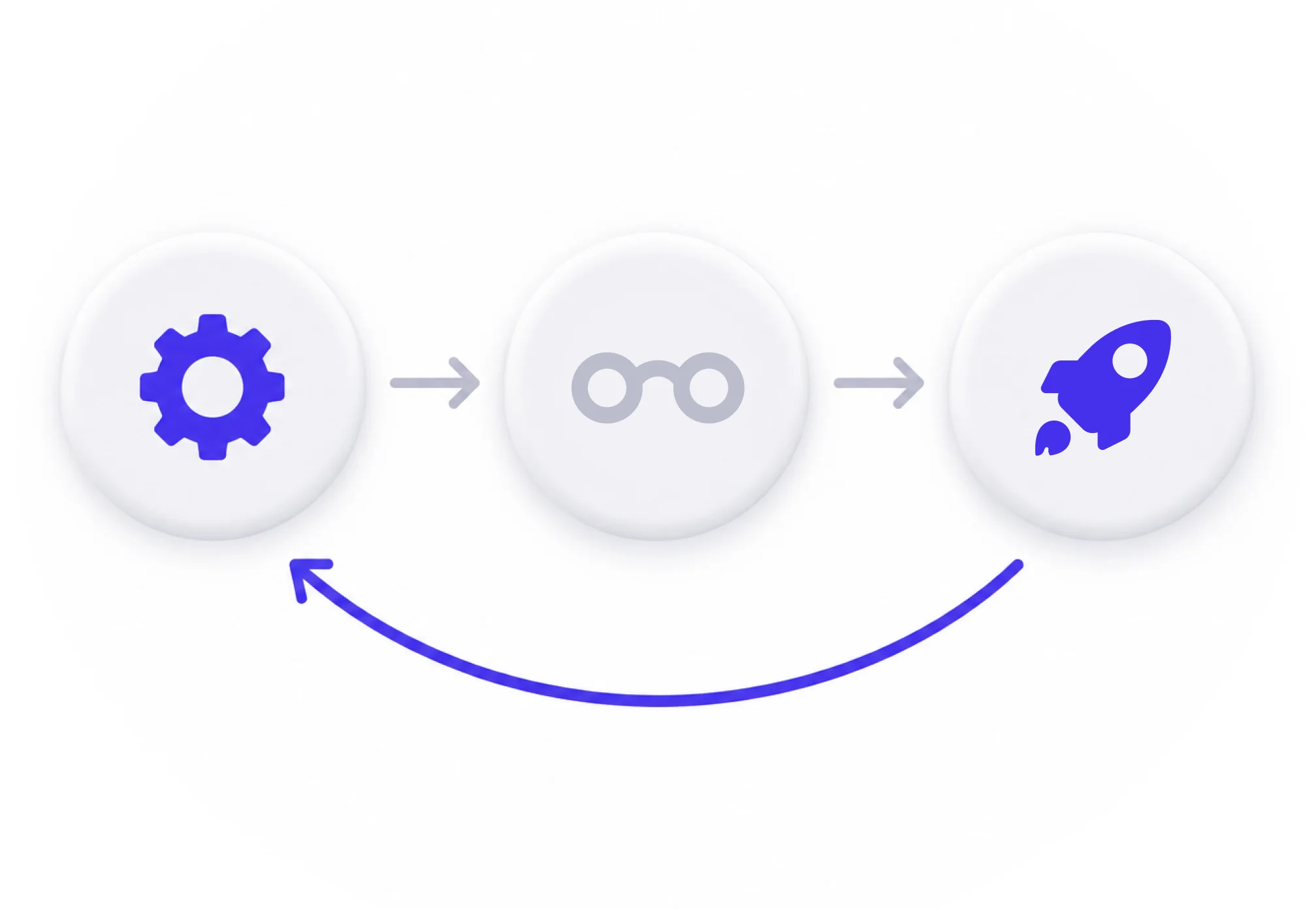
Product shipped without a security review — vulnerabilities discovered after breach.
.webp)
Enterprise procurement requires security documentation your team hasn’t produced.
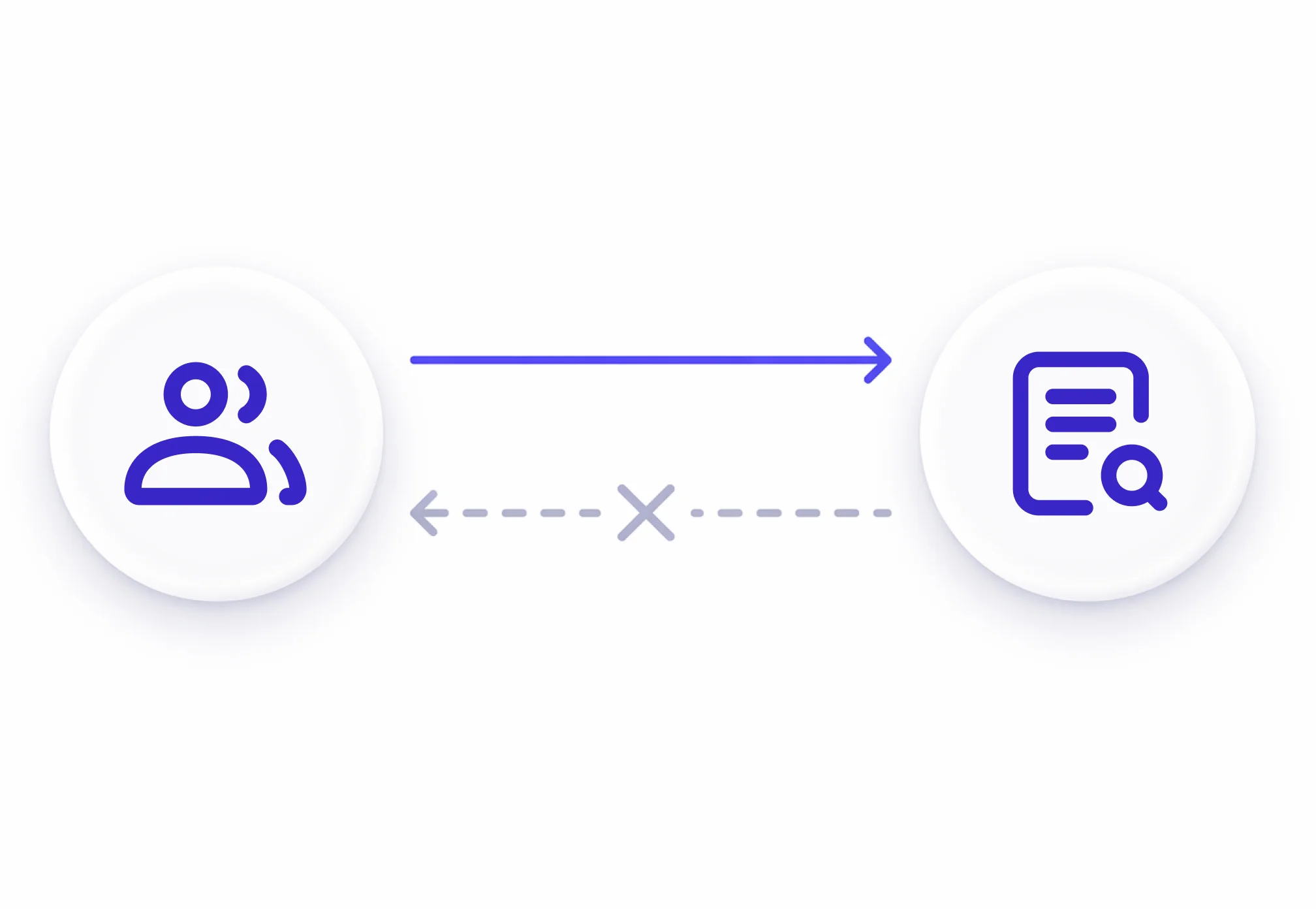
Generic vulnerability list delivered — no severity ratings, no fix guidance for engineers.

“All projects in which we’ve involved Halo Lab have been great successes, but their leadership on our brand refresh is worth highlighting.”

“We’ve had feedback from users, investors, and employees, and everyone has said that Halo Lab did a fantastic job with the branding.”

“We’re proud of their branding services. They not only do what we tell them but also make suggestions to help us improve our offerings.”

What we deliver
Authentication flows, API endpoints, data handling, and third-party dependencies mapped upfront.
OWASP Top 10 vulnerability assessment — injection, broken auth, and misconfigurations tested.
Security-focused code review — hardcoded credentials, insecure patterns, and data exposure found.
API authentication, authorisation, rate limiting, and data exposure reviewed and tested.
Third-party libraries scanned for known vulnerabilities — outdated packages flagged and prioritised.
Cloud configuration, IAM roles, secrets management, and network exposure reviewed for risk.
Prioritised findings with severity ratings, reproducible steps, and specific fix recommendations.
Audit findings mapped to SOC 2, GDPR, HIPAA, or ISO 27001 controls where applicable.


How we work

Start with a strategy call where we align on your goals, challenges, and priorities, and set a clear direction for the entire branding process.
3–4 Days
Research & analysis
.webp)
We map authentication flows, API endpoints, data handling, and third-party integrations before any testing begins.
.webp)
OWASP Top 10 assessment, code review, dependency scan, and infrastructure configuration review conducted against the defined scope.
.webp)
Targeted testing of the highest-risk attack vectors identified during assessment — authentication bypass, injection, and privilege escalation tested.
.webp)
Every vulnerability documented with severity rating, reproducible steps, and affected components — prioritised for your engineering team to action.
.webp)
Remediation report delivered with specific fix recommendations — your team knows exactly what to address before the next release.
Start with a strategy call where we align on your goals, challenges, and priorities, and set a clear direction for the entire branding process.
3–4 Days
Research & analysis
Industries we serve

Security audit for clinical platforms — HIPAA-aligned assessment, patient data exposure, and API review.

Security audit for fintech — payment flows, KYC data handling, and PCI-relevant controls reviewed.

Security audit for fleet and ops platforms — API authentication, data exposure, and access control reviewed.

Security audit for property platforms — user data handling, payment flows, and API endpoints reviewed.

Security audit for EdTech — student data protection, authentication flows, and compliance controls reviewed.

Security audit for Web3 — smart contract logic, wallet authentication, and API exposure reviewed.

Security audit for health platforms — health data handling, third-party integrations, and API access reviewed.

Security audit for SaaS and enterprise — multi-tenant isolation, role-based access, and API security reviewed.

120+ experts and 500+ projects provide insights into solutions that fit the market.

Projects start with research, positioning, and clear goals for data-driven decisions.
No templates or generic patterns — only custom design shaped for your objectives.
We turn complex ideas into clear, scalable designs for SaaS, B2B, and tech companies.

Structured communication and transparent workflows keep you aligned at every step.

Clear pricing and adaptable scopes help you stay on budget and ensure top quality.
“Halo Lab is very organized in planning to achieve the goals within the set deadlines. We feel they were part of our internal team project.”

“Their experts have a very diverse range of skills and always find a solution to exposed issues. The communication process was clear.”

“During the collaboration, Halo Lab prioritized our people, always taking into account our input and ideas and giving all team members a voice.”

“The Halo Lab team unified branding across our patients’ app, showcasing professionalism, convenience, and consistency.”

“Halo recreated our existing portal with a modern and beautiful experience, greatly increasing usability and delight for the end user.”

“Halo Lab is brilliant. We were impressed with their timely delivery, cost-effectiveness, and the people who knew what they were doing!”

“The value we get from Halo Lab and their quality designs sets them apart from others. They are the right mix of price, talent, and style.”

“We gave the Halo Lab team a chance, and we immediately knew they were the ones we wanted to work with.”

“The Halo Lab work pleasantly surprised us, and bringing in their professional design team has been a worthy investment for us.”

“When collaborating with Halo Lab, we felt that communication was straightforward and that the deliverables fit what we expected.”

“Halo Lab has helped us with a rebrand and defined a new name, logo, and color palette. We’ve had a great experience working with them.”


13 years
We’ve built one of the most trusted agencies
150+
Specialists in design, engineering & product management
78%
Returning clients in Europe & North America




Attack surface mapping, OWASP Top 10 vulnerability assessment, security-focused code review, dependency scan, API security review, infrastructure configuration review, and a prioritised remediation report.
OWASP (Open Web Application Security Project) is the industry-standard framework for web application security. Its Top 10 list covers the most critical vulnerability categories — injection, broken auth, misconfigurations, and more — and is the baseline for most security assessments.
Most security audits take 1 to 3 weeks from scope definition to remediation report, depending on product complexity, number of services, and whether penetration testing is included in the engagement.
Yes. Targeted penetration testing of high-risk attack vectors — authentication bypass, injection, and privilege escalation — is available as part of the audit engagement or as a standalone engagement.
Both. We review the codebase for insecure patterns, hardcoded credentials, and data exposure — and test the running application for vulnerabilities that only manifest at runtime, including API and authentication issues.
Yes. Audit findings can be mapped to SOC 2 Trust Service Criteria, GDPR controls, HIPAA safeguards, or ISO 27001 requirements — giving your team documentation relevant to compliance programmes and enterprise procurement.
Yes. All third-party libraries and packages are scanned for known CVEs using automated tools — outdated or vulnerable dependencies flagged with severity ratings and upgrade recommendations in the remediation report.
Every finding is documented with: severity rating (critical/high/medium/low), reproducible steps, affected component, and a specific fix recommendation. Findings are prioritised so your team knows what to address first.
Yes. A re-test engagement is available after your team has addressed the findings — confirming that vulnerabilities have been correctly remediated and no new issues were introduced during the fix process.