




Every QA engagement at Halo Lab starts with a test strategy — coverage scope, automation priorities, and test types aligned to your release cadence and risk profile before a single test is written.
We deliver automated test suites, manual testing across devices and browsers, and structured QA reports — integrated into your CI/CD pipeline so quality gates run on every pull request before code reaches production.


Your company has grown, but the brand no longer reflects scale or direction.
Your company has grown, but the brand no longer reflects scale or direction.
Your company has grown, but the brand no longer reflects scale or direction.
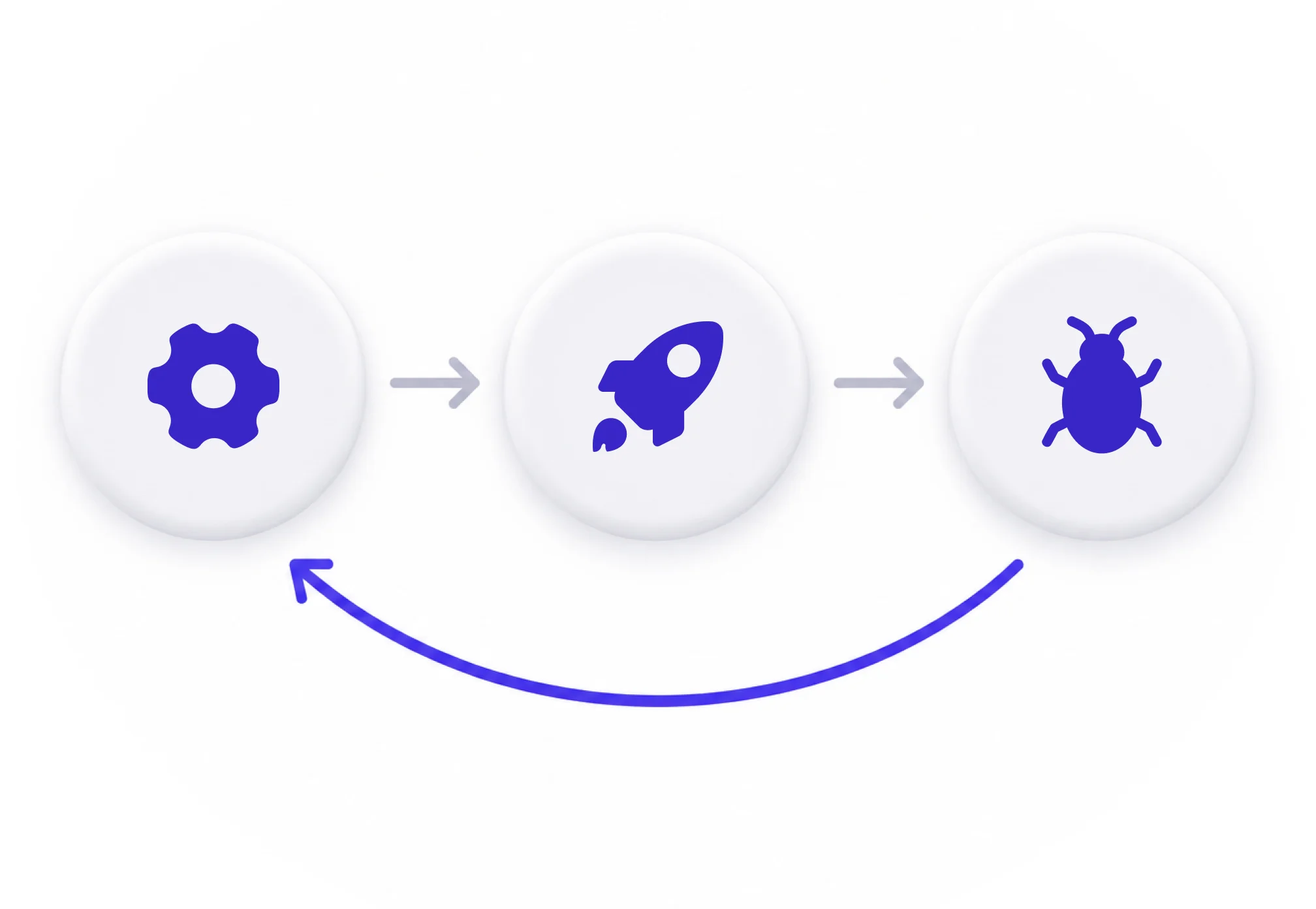
QA added after development — bugs found late, releases delayed every sprint.
No test suite — every release requires manual testing and still ships bugs.
No quality gate in the pipeline — bugs discovered in production by users.

“All projects in which we’ve involved Halo Lab have been great successes, but their leadership on our brand refresh is worth highlighting.”

“We’ve had feedback from users, investors, and employees, and everyone has said that Halo Lab did a fantastic job with the branding.”

“We’re proud of their branding services. They not only do what we tell them but also make suggestions to help us improve our offerings.”

What we deliver
Coverage scope, automation priorities, and test types defined before any testing begins.
Unit, integration, and end-to-end test suites written and integrated into your CI/CD pipeline.
Structured manual test plans executed across browsers, devices, and operating system versions.
End-to-end test suite covering critical user flows — written in Playwright or Cypress.
API contract tests, integration tests, and edge case coverage for every endpoint and error state.
Load testing, stress testing, and response time benchmarks — profiled before production launch.
Structured QA reports with severity ratings, reproducible steps, and fix recommendations.
Regression suite covering previously fixed issues — run automatically on every pull request merge.


How we work

Start with a strategy call where we align on your goals, challenges, and priorities, and set a clear direction for the entire branding process.
3–4 Days
Research & analysis
.webp)
We define coverage scope, automation priorities, test types, and the risk areas that need the most coverage before testing begins.

We write test cases covering every key user flow, edge case, and error state — structured for both manual execution and automation.
.webp)
We build the automated test suite sprint by sprint — unit, integration, and end-to-end tests integrated into the CI/CD pipeline.
.webp)
Manual test execution across browsers, devices, and OS versions — regression suite run on every pull request before code reaches production.
.webp)
Structured QA reports delivered with severity ratings, reproducible steps, and fix recommendations for every defect found.
Start with a strategy call where we align on your goals, challenges, and priorities, and set a clear direction for the entire branding process.
3–4 Days
Research & analysis
Industries we serve

QA testing for clinical platforms — compliance-critical flows tested and documented before every release.

QA testing for fintech — payment flows, KYC, and transaction logic tested for edge cases and failure modes.

QA testing for fleet and ops tools — real-time data flows and operator workflows validated before release.

QA testing for property platforms — search, listing, and booking flows tested across devices and browsers.

QA testing for EdTech — course flows, progress tracking, and billing tested before every product release.

QA testing for Web3 — smart contract interactions, wallet flows, and on-chain transactions validated.

QA testing for health apps — habit tracking, coaching flows, and subscription billing tested end-to-end.
QA testing for SaaS and enterprise — full test coverage integrated into CI/CD pipelines at platform scale.

120+ experts and 500+ projects provide insights into solutions that fit the market.

Projects start with research, positioning, and clear goals for data-driven decisions.
No templates or generic patterns — only custom design shaped for your objectives.
We turn complex ideas into clear, scalable designs for SaaS, B2B, and tech companies.

Structured communication and transparent workflows keep you aligned at every step.

Clear pricing and adaptable scopes help you stay on budget and ensure top quality.
“Halo Lab is very organized in planning to achieve the goals within the set deadlines. We feel they were part of our internal team project.”

“Their experts have a very diverse range of skills and always find a solution to exposed issues. The communication process was clear.”

“During the collaboration, Halo Lab prioritized our people, always taking into account our input and ideas and giving all team members a voice.”

“The Halo Lab team unified branding across our patients’ app, showcasing professionalism, convenience, and consistency.”

“Halo recreated our existing portal with a modern and beautiful experience, greatly increasing usability and delight for the end user.”

“Halo Lab is brilliant. We were impressed with their timely delivery, cost-effectiveness, and the people who knew what they were doing!”

“The value we get from Halo Lab and their quality designs sets them apart from others. They are the right mix of price, talent, and style.”

“We gave the Halo Lab team a chance, and we immediately knew they were the ones we wanted to work with.”

“The Halo Lab work pleasantly surprised us, and bringing in their professional design team has been a worthy investment for us.”

“When collaborating with Halo Lab, we felt that communication was straightforward and that the deliverables fit what we expected.”

“Halo Lab has helped us with a rebrand and defined a new name, logo, and color palette. We’ve had a great experience working with them.”


13 years
We’ve built one of the most trusted agencies
150+
Specialists in design, engineering & product management
78%
Returning clients in Europe & North America

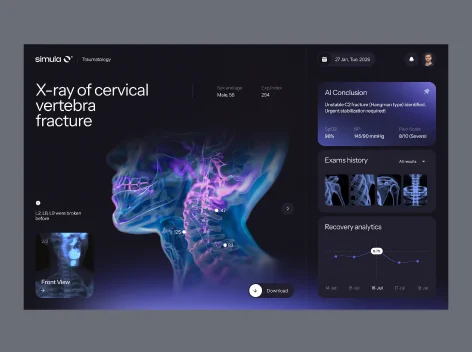
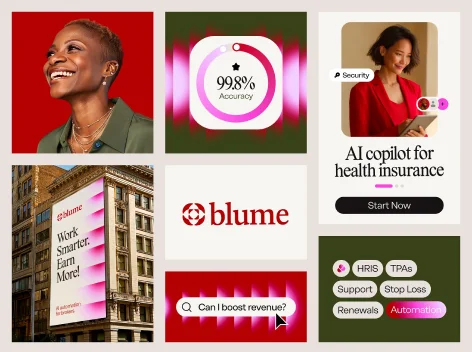
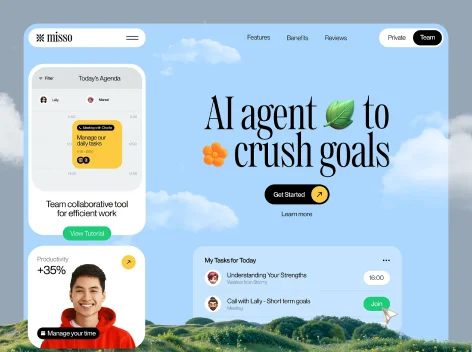
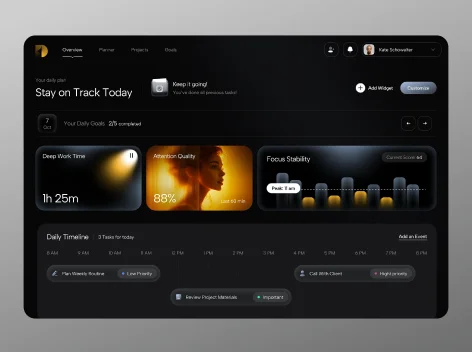


Test strategy, test case writing, automated test suite build, manual testing across browsers and devices, API testing, regression suite, structured QA reports, and CI/CD pipeline integration.
Both. Automated testing covers unit, integration, and end-to-end flows in CI/CD. Manual testing covers exploratory, cross-browser, and device-specific scenarios that automation doesn’t reliably cover.
Playwright and Cypress for end-to-end testing. Jest and Vitest for unit and integration tests. Postman and REST-assured for API testing. We work with your existing frameworks where already in place.
Test strategy and initial test suite setup takes 1 to 3 weeks. Full automated coverage for an existing product is typically built over 4 to 8 weeks, depending on codebase complexity and test debt.
Yes. Automated tests are integrated into your CI/CD pipeline as part of the engagement — running on every pull request so no code reaches staging or production without passing the full test suite.
Yes. Load testing, stress testing, and response time benchmarks are available — using k6, Locust, or JMeter to simulate real traffic patterns before production launch.
Yes. Manual and automated cross-browser testing across Chrome, Firefox, Safari, and Edge — and cross-device testing on iOS and Android, covering the target device matrix for your user base.
Yes. Every testing cycle produces a structured QA report — each defect documented with severity rating, reproducible steps, environment details, and specific fix recommendations for engineering.
Yes. Ongoing QA retainers are available — covering new feature testing each sprint, test suite maintenance, regression coverage expansion, and performance monitoring as the product grows.