



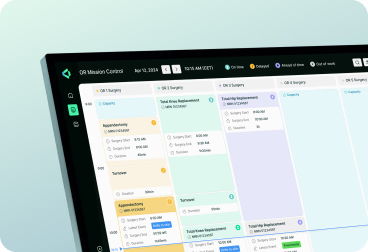

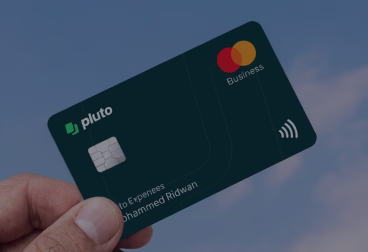
Platform development starts with a different set of questions than a typical product build — who the participants are, how they interact, what trust mechanisms are needed, and how the platform captures value from each side.
Halo Lab builds multi-sided platforms and marketplace products with that complexity mapped upfront — participant roles, transaction logic, rating and review systems, and the backend architecture designed together before any interface work begins.


Your company has grown, but the brand no longer reflects scale or direction.
Your company has grown, but the brand no longer reflects scale or direction.
Your company has grown, but the brand no longer reflects scale or direction.
.webp)
Platform roles defined after build — permissions and flows rebuilt in every sprint.
.webp)
Payment and settlement logic designed ad hoc — disputes and edge cases unresolved.
.webp)
Rating, review, and verification systems added post-launch — platform trust never built.

“All projects in which we’ve involved Halo Lab have been great successes, but their leadership on our brand refresh is worth highlighting.”

“We’ve had feedback from users, investors, and employees, and everyone has said that Halo Lab did a fantastic job with the branding.”

“We’re proud of their branding services. They not only do what we tell them but also make suggestions to help us improve our offerings.”

What we deliver
Participant roles, data model, transaction logic, and service boundaries defined before build begins.
Separate role-based portals for each participant type — buyer, seller, admin, and operator flows.
Payment flow, escrow logic, settlement, and dispute resolution built and tested for your model.
Listing search, filtering, and participant matching logic built for your platform’s core use case.
Rating, review, identity verification, and trust signal systems built before the first transaction.
In-app, push, email, and SMS notification flows designed and built for every participant event.
Platform admin tools — listing moderation, dispute management, and participant oversight built in.
Architecture documentation, API reference, and structured handoff for your engineering team.


How we work

Start with a strategy call where we align on your goals, challenges, and priorities, and set a clear direction for the entire branding process.
3–4 Days
Research & analysis
%20(2).webp)
We map participant roles, transaction logic, data model, and monetisation structure — platform decisions made before any feature work begins.
%205.webp)
We design the data schema and API contract — participant relationships, listing structure, and transaction flows specified before build.
.webp)
We build participant portals, transaction engine, search, trust systems, and admin tools sprint by sprint against the defined architecture.
.webp)
Transaction flows, participant permissions, and edge cases tested end-to-end across all roles before staging sign-off.
.webp)
We deploy to production, configure monitoring, document the platform architecture, and hand off to your engineering and ops teams.
Start with a strategy call where we align on your goals, challenges, and priorities, and set a clear direction for the entire branding process.
3–4 Days
Research & analysis
Industries we serve

Platform development for healthcare — patient-provider matching, clinical booking, and data compliance.

Platform development for fintech — lending, investment, and payment marketplace architecture built securely.

Platform development for logistics — carrier and shipper matching, route management, and fleet integration.

Platform development for property — landlord-tenant, agent-buyer, and transaction marketplace products.

Platform development for EdTech — tutor-student matching, course marketplaces, and cohort management.

Platform development for Web3 — NFT marketplace, DAO governance, and tokenised asset exchange products.

Platform development for wellness — coach-client matching, class booking, and subscription marketplace.

Platform development for IT and SaaS — partner ecosystems, developer marketplaces, and API platforms.

120+ experts and 500+ projects provide insights into solutions that fit the market.

Projects start with research, positioning, and clear goals for data-driven decisions.
No templates or generic patterns — only custom design shaped for your objectives.
We turn complex ideas into clear, scalable designs for SaaS, B2B, and tech companies.

Structured communication and transparent workflows keep you aligned at every step.

Clear pricing and adaptable scopes help you stay on budget and ensure top quality.
“Halo Lab is very organized in planning to achieve the goals within the set deadlines. We feel they were part of our internal team project.”

“Their experts have a very diverse range of skills and always find a solution to exposed issues. The communication process was clear.”

“During the collaboration, Halo Lab prioritized our people, always taking into account our input and ideas and giving all team members a voice.”

“The Halo Lab team unified branding across our patients’ app, showcasing professionalism, convenience, and consistency.”

“Halo recreated our existing portal with a modern and beautiful experience, greatly increasing usability and delight for the end user.”

“Halo Lab is brilliant. We were impressed with their timely delivery, cost-effectiveness, and the people who knew what they were doing!”

“The value we get from Halo Lab and their quality designs sets them apart from others. They are the right mix of price, talent, and style.”

“We gave the Halo Lab team a chance, and we immediately knew they were the ones we wanted to work with.”

“The Halo Lab work pleasantly surprised us, and bringing in their professional design team has been a worthy investment for us.”

“When collaborating with Halo Lab, we felt that communication was straightforward and that the deliverables fit what we expected.”

“Halo Lab has helped us with a rebrand and defined a new name, logo, and color palette. We’ve had a great experience working with them.”


13 years
We’ve built one of the most trusted agencies
150+
Specialists in design, engineering & product management
78%
Returning clients in Europe & North America
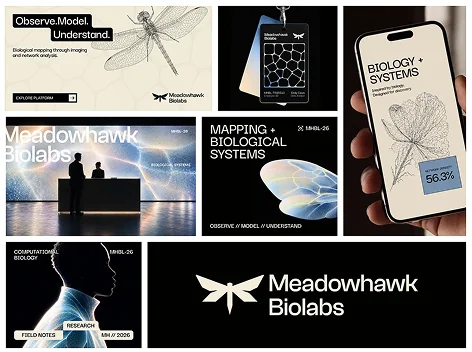

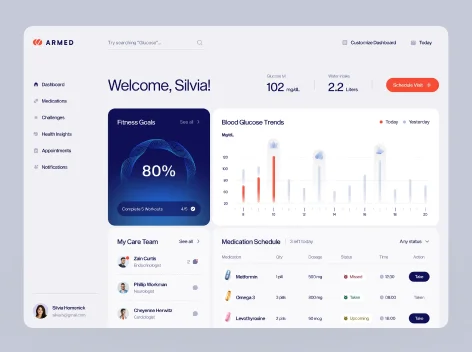
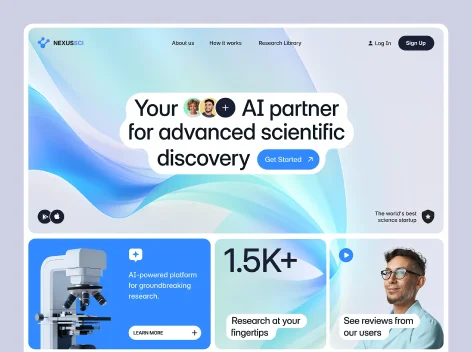
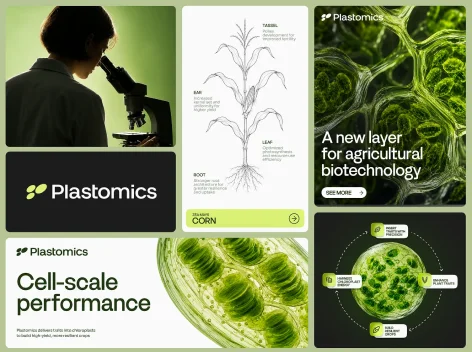
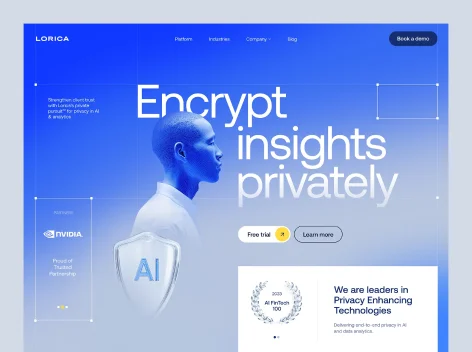

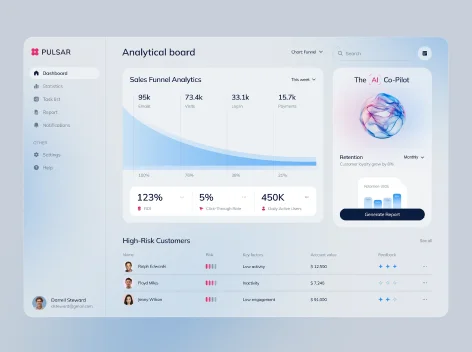
Platform architecture, participant portal development, transaction engine, search and matching logic, trust and verification systems, admin tools, notification flows, and engineering handoff.
Two-sided and multi-sided marketplaces, booking and service platforms, content distribution platforms, SaaS platforms with partner ecosystems, and B2B procurement platforms.
A platform serves multiple distinct participant types — buyers and sellers, providers and consumers — each with separate roles, permissions, and interfaces. The core complexity is in the interactions between participant groups, not just the features each group uses.
Most platform MVPs take 4 to 8 months depending on the number of participant types, transaction complexity, and integration requirements. We define the timeline in the architecture phase.
Yes. Payment flow, escrow or split-payment logic, seller payouts, and dispute resolution are designed during the architecture phase and built as part of the platform transaction engine.
Yes. Platform admin tools — listing moderation, participant management, dispute resolution, and analytics dashboards — are part of the standard delivery for every platform build.
Yes. Identity verification flows — document upload, third-party KYC integration, and verification status management — are scoped during the architecture phase and built before the platform launches.
Yes. Search, filtering, and matching logic are designed for your platform’s core use case — covering ranking, relevance, and geographic or categorical matching between participants.
Yes. Ongoing platform development retainers are available — covering new participant types, feature expansion, performance optimisation, and infrastructure scaling as your platform grows.