




Every ecommerce project at Halo Lab starts with platform selection — Shopify, headless, or custom — agreed against your catalogue size, integrations, and conversion goals before the first component is built.
We cover storefront development, checkout and payment integration, product and order management, and third-party connections — with performance and SEO built in, not added after launch.


Your company has grown, but the brand no longer reflects scale or direction.
Your company has grown, but the brand no longer reflects scale or direction.
Your company has grown, but the brand no longer reflects scale or direction.
.webp)
Platform selected before requirements — migrated again 12 months after launch.
.webp)
Checkout designed as an afterthought — drop-off happens before payment is made.
.webp)
Store launched slow and unindexed — performance and SEO treated as post-launch.

“All projects in which we’ve involved Halo Lab have been great successes, but their leadership on our brand refresh is worth highlighting.”

“We’ve had feedback from users, investors, and employees, and everyone has said that Halo Lab did a fantastic job with the branding.”

“We’re proud of their branding services. They not only do what we tell them but also make suggestions to help us improve our offerings.”

What we deliver
Shopify, headless, or custom — platform chosen against your catalogue, integrations, and scale.
Custom storefront development — product pages, collections, search, and filtering built for conversion.
Checkout flow development and Stripe, PayPal, or Shopify Payments integration — tested before launch.
Catalogue architecture, variant logic, inventory management, and PIM integration built to your model.
Order flow, fulfilment logic, returns, and notification system developed and connected to your OMS.
ERP, CRM, logistics, and marketing platform integrations built and tested as part of the delivery.
Core Web Vitals optimised, structured data implemented, and SEO fundamentals built in from the start.
Code documentation, admin training, and a structured handoff your team operates from directly.


How we work

Start with a strategy call where we align on your goals, challenges, and priorities, and set a clear direction for the entire branding process.
3–4 Days
Research & analysis
%20(1).webp)
We map catalogue size, integrations, conversion goals, and team capabilities — then select the right platform before any development begins.
.webp)
We define product and order data models, integration architecture, and the checkout flow logic before storefront development starts.
.webp)
We build storefront components, product pages, checkout flow, order management, and third-party integrations sprint by sprint.

Checkout flows tested end-to-end, Core Web Vitals validated, and cross-browser and device testing completed before launch.
.webp)
We launch to production, configure analytics, and hand off code documentation and admin training for your team to operate from.
Start with a strategy call where we align on your goals, challenges, and priorities, and set a clear direction for the entire branding process.
3–4 Days
Research & analysis
Industries we serve

Ecommerce development for health and medical products — compliant checkout and secure data handling.

Ecommerce development for fintech and financial products — secure payment flows and compliance built in.

Ecommerce development for logistics and supply chain — order management and fulfilment integration.

Ecommerce development for property services — listing purchase, subscription, and booking flows built.

Ecommerce development for EdTech — course purchase, subscription billing, and access management built.

Ecommerce development for Web3 — NFT storefronts, token-gated access, and crypto payment integration.

Ecommerce development for wellness and fitness — supplement stores, subscription boxes, and DTC brands.

Ecommerce development for SaaS and software products — licence purchase, trials, and upgrade flows.

120+ experts and 500+ projects provide insights into solutions that fit the market.

Projects start with research, positioning, and clear goals for data-driven decisions.
No templates or generic patterns — only custom design shaped for your objectives.
We turn complex ideas into clear, scalable designs for SaaS, B2B, and tech companies.

Structured communication and transparent workflows keep you aligned at every step.

Clear pricing and adaptable scopes help you stay on budget and ensure top quality.
“Halo Lab is very organized in planning to achieve the goals within the set deadlines. We feel they were part of our internal team project.”

“Their experts have a very diverse range of skills and always find a solution to exposed issues. The communication process was clear.”

“During the collaboration, Halo Lab prioritized our people, always taking into account our input and ideas and giving all team members a voice.”

“The Halo Lab team unified branding across our patients’ app, showcasing professionalism, convenience, and consistency.”

“Halo recreated our existing portal with a modern and beautiful experience, greatly increasing usability and delight for the end user.”

“Halo Lab is brilliant. We were impressed with their timely delivery, cost-effectiveness, and the people who knew what they were doing!”

“The value we get from Halo Lab and their quality designs sets them apart from others. They are the right mix of price, talent, and style.”

“We gave the Halo Lab team a chance, and we immediately knew they were the ones we wanted to work with.”

“The Halo Lab work pleasantly surprised us, and bringing in their professional design team has been a worthy investment for us.”

“When collaborating with Halo Lab, we felt that communication was straightforward and that the deliverables fit what we expected.”

“Halo Lab has helped us with a rebrand and defined a new name, logo, and color palette. We’ve had a great experience working with them.”


13 years
We’ve built one of the most trusted agencies
150+
Specialists in design, engineering & product management
78%
Returning clients in Europe & North America

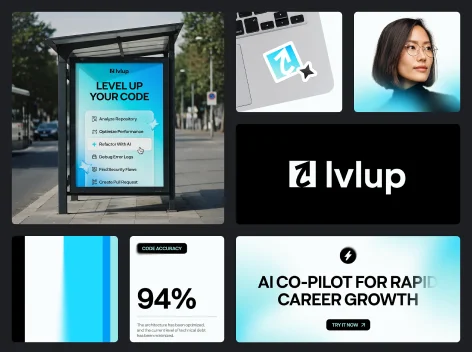
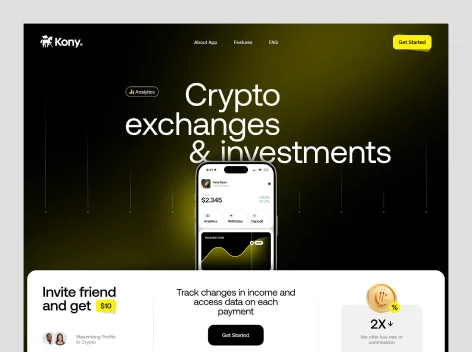
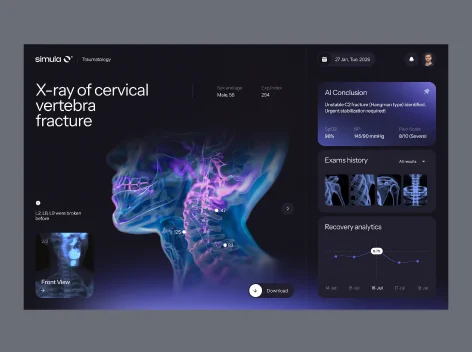
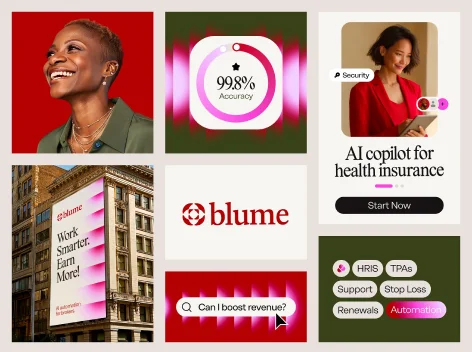
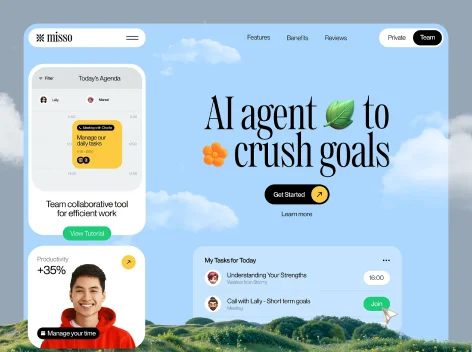
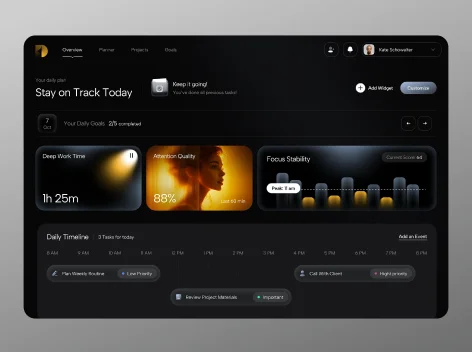
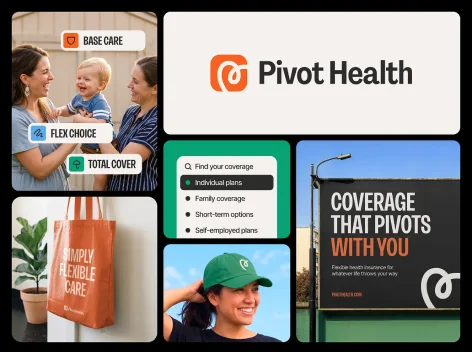

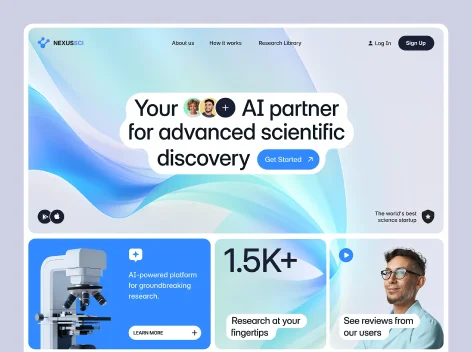


Platform selection, storefront build, checkout and payment integration, catalogue and order management, third-party integrations, performance optimisation, SEO setup, and engineering handoff.
Both. Shopify is recommended for most direct-to-consumer stores and fast-launch scenarios. Custom or headless builds are scoped when catalogue complexity, integrations, or performance requirements exceed Shopify’s native capabilities.
Stripe, PayPal, Shopify Payments, Klarna, and other regional payment providers. Checkout flow, 3DS handling, and payment method display are built and tested before launch.
Most ecommerce builds take 2 to 5 months from platform selection to launch, depending on catalogue complexity, integrations, and whether design is included in the engagement.
Yes. ERP, CRM, logistics providers, marketing platforms, and review tools are integrated as part of the build — with data flows mapped and tested before handoff.
Yes. Core Web Vitals, image optimisation, lazy loading, and structured data are built in — not added after launch. Stores are tested against real device and network conditions before going live.
Yes. Data migration — products, orders, customers, and content — is scoped and executed as part of the replatforming engagement, with URL mapping and redirects managed to protect existing SEO rankings.
Yes. UI/UX design for the storefront is available as part of the engagement — product pages, collection layouts, and checkout flow designed in Figma before development begins.
Yes. Ongoing ecommerce development retainers are available — covering new feature builds, integration updates, seasonal campaign preparation, and platform maintenance as your store grows.