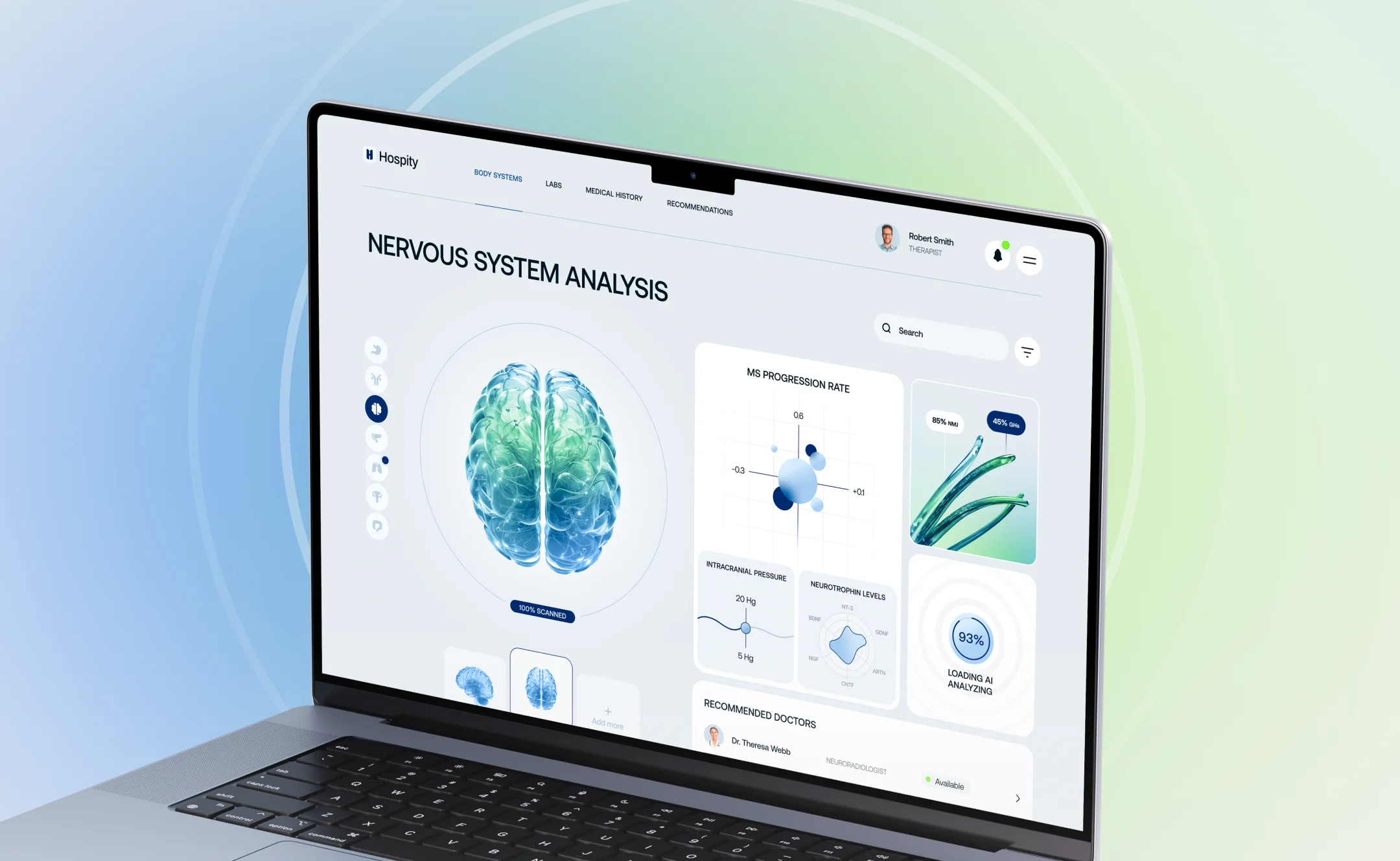






For clinicians, a remote-monitoring platform that makes vitals easy to read

A cloud-based Remote Patient Monitoring (RPM) SaaS platform, developed by a healthcare technology company, helps hospitals and clinics remotely track patients’ health and manage chronic conditions more efficiently.
The platform allows clinicians to monitor real-time vital signs such as blood pressure, oxygen saturation, and glucose levels via connected medical devices. By merging clinical data with clear visualization, it supports early detection of health risks, improves care coordination, and reduces hospital readmissions.
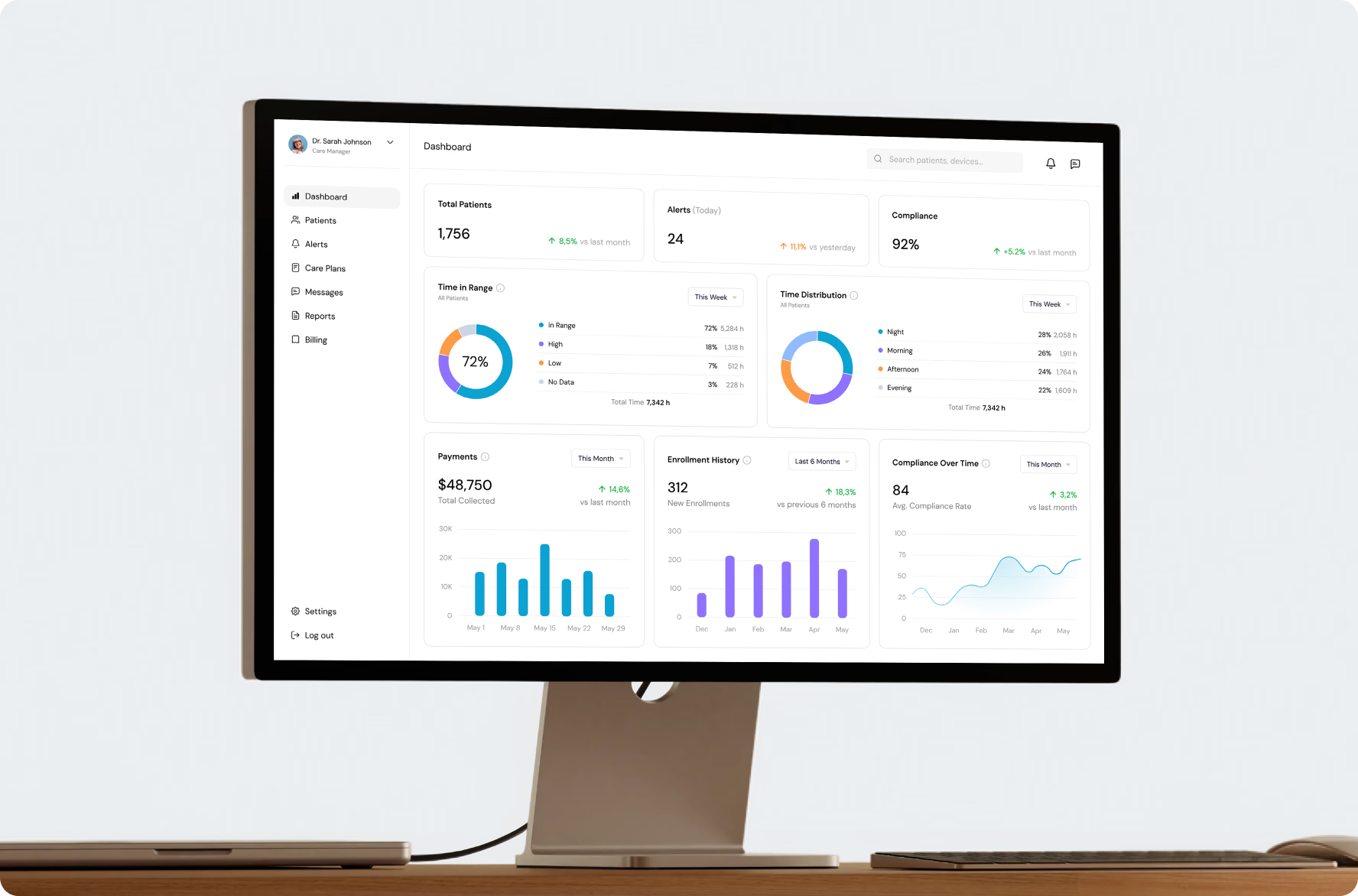
The client expected us to design a feature-rich RPM platform enabling smooth monitoring and communication between clinicians and patients. The challenge was to create an intuitive design system that clearly presented large volumes of medical data and met HIPAA standards on a tight timeline.
Across the project, we translated complex clinical workflows and data into a scalable product structure — shaping a user-focused experience supported by a development-ready UI/UX system.
{{dropdowns-1}}
The project delivered a complete UX/UI foundation and a validated technical plan for an enterprise-grade RPM platform. The design balanced data precision with usability, supporting both clinical accuracy and patient accessibility. A clearly defined MVP roadmap helped streamline resource planning and set the stage for a faster launch. At the same time, a consistent design system laid the groundwork for future growth, enabling expansion into new modules and care programs.
Facing a tight schedule, we combined two-week development research with workflow mapping and UX architecting to produce a structured UI system.
{{approach}}

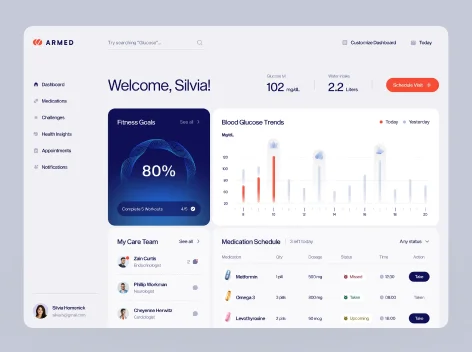




We analyzed user workflows and platform features to define system architecture and integration points for patient devices and clinician dashboards. Our team conducted development research to outline the tech stack and requirements.
We mapped user journeys and flows for both clinicians and patients to identify key interactions and data dependencies. By establishing a clear information architecture, we ensured medical data could be accessed securely and intuitively.
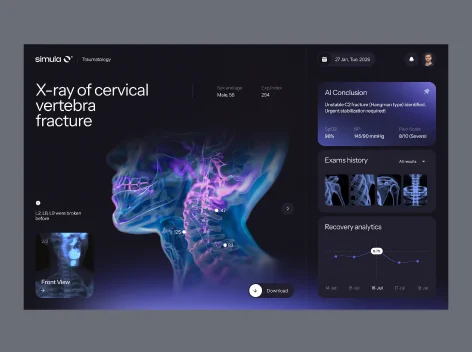
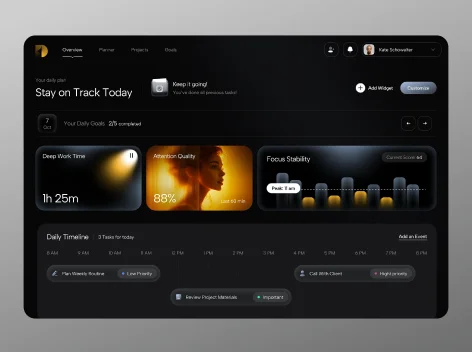
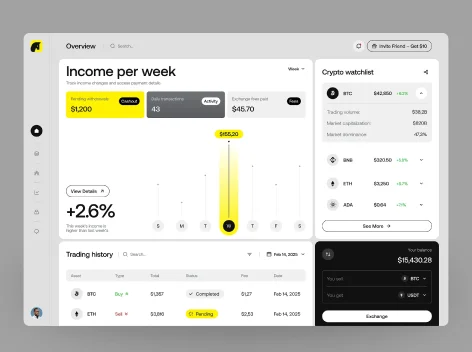
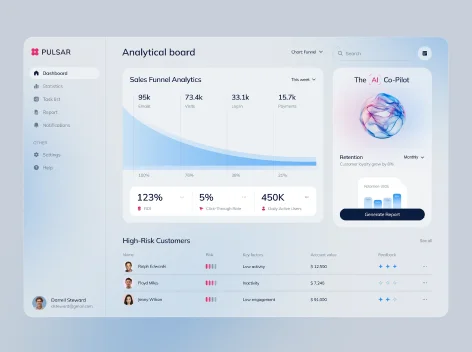
We delivered a professional interface optimized for clarity and user trust. The dashboards enable real-time vital tracking, patient management, and reporting, supported by a system of reusable UI components for consistency across modules.
Finally, we prepared the MVP scope, refining and documenting the functionality required for the initial release. To ensure development readiness, we created a test plan covering validation scenarios, testing approach, and quality criteria.




.webp)