




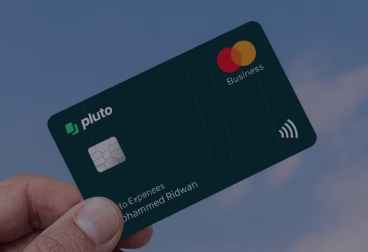
Product strategy at Halo Lab starts with the questions design and engineering can’t answer — which users to prioritise, which problems actually justify investment, and which features belong in v1 versus later.
We deliver user research synthesis, competitive positioning, a prioritised feature set, and a product roadmap your team hands directly to design and engineering — with every decision traceable to evidence, not assumption.


Your company has grown, but the brand no longer reflects scale or direction.
Your company has grown, but the brand no longer reflects scale or direction.
Your company has grown, but the brand no longer reflects scale or direction.
.webp)
Features built before user validation — engineering effort spent on the wrong problems.
.webp)
Priorities set by stakeholder opinion — no research or evidence behind the backlog.
.webp)
Everything feels essential — v1 ships late, over budget, and with too many features.

“All projects in which we’ve involved Halo Lab have been great successes, but their leadership on our brand refresh is worth highlighting.”

“We’ve had feedback from users, investors, and employees, and everyone has said that Halo Lab did a fantastic job with the branding.”

“We’re proud of their branding services. They not only do what we tell them but also make suggestions to help us improve our offerings.”

What we deliver
Interviews, surveys, and job-to-be-done analysis — user needs documented before scope is set.
Competitive landscape mapped — differentiation, positioning, and whitespace identified.
User problems ranked by frequency, severity, and strategic value — scope decisions backed by data.
v1 scope defined against user needs and business goals — every feature justified before build.
Prioritised roadmap with phases, dependencies, and rationale — ready for design and engineering.
KPIs and success metrics defined before build — your team knows what a good launch looks like.
Strategy deck prepared for board, investors, or internal stakeholders — decisions documented clearly.
Research synthesis, roadmap, and strategy documentation handed off for design and engineering.


How we work

Start with a strategy call where we align on your goals, challenges, and priorities, and set a clear direction for the entire branding process.
3–4 Days
Research & analysis
%20(1).webp)
We run stakeholder interviews, user research, and competitive analysis — mapping who the users are, what problems matter, and where the market sits.
%205.webp)
We synthesise research into a prioritised problem set — ranking by user frequency, severity, and strategic value before scope is discussed.
.webp)
We define v1 scope against validated problems and business goals — every feature justified with evidence before design or engineering begins.
.webp)
We build the product roadmap — phased, prioritised, with dependencies and success metrics defined for each phase before handoff.
.webp)
Research synthesis, roadmap, and strategy documentation handed off — ready for design and engineering to act on directly.
Start with a strategy call where we align on your goals, challenges, and priorities, and set a clear direction for the entire branding process.
3–4 Days
Research & analysis
Industries we serve

Product strategy for clinical and patient products — user research and scope aligned to compliance.
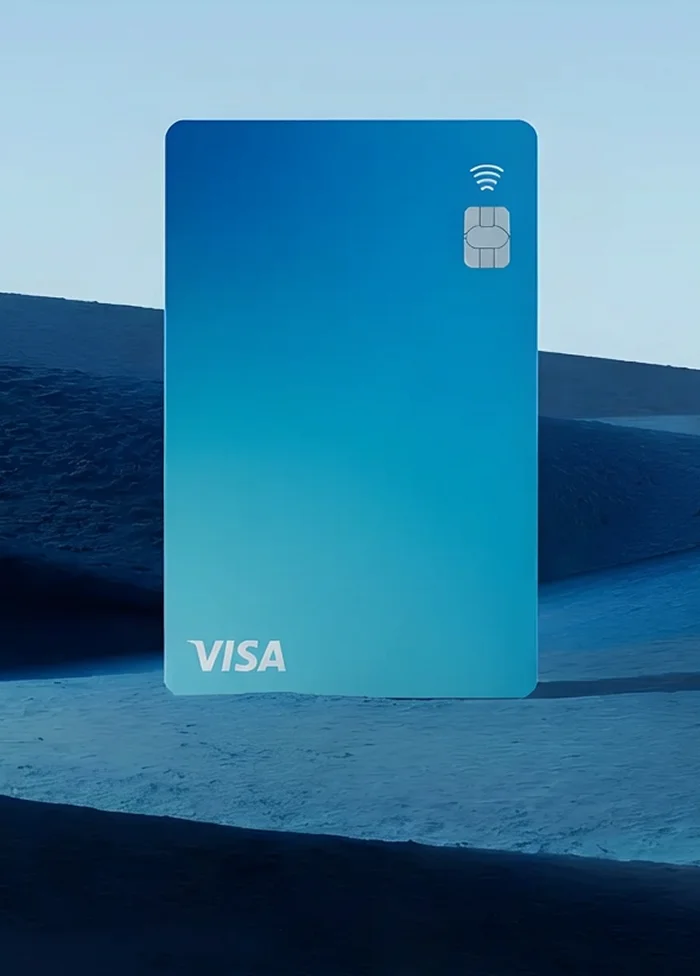
Product strategy for fintech — competitive positioning, user research, and regulatory-aware scoping.

Product strategy for fleet and ops platforms — operator research and feature prioritisation aligned.

Product strategy for property platforms — user research, positioning, and roadmap before development.

Product strategy for EdTech — learner and instructor research, scope, and roadmap aligned to market.

Product strategy for Web3 — user research, token model review, and feature prioritisation for launch.

Product strategy for health platforms — behaviour research, engagement scope, and roadmap aligned.

Product strategy for SaaS and enterprise — ICP definition, feature prioritisation, and growth roadmap.

120+ experts and 500+ projects provide insights into solutions that fit the market.

Projects start with research, positioning, and clear goals for data-driven decisions.
No templates or generic patterns — only custom design shaped for your objectives.
We turn complex ideas into clear, scalable designs for SaaS, B2B, and tech companies.

Structured communication and transparent workflows keep you aligned at every step.

Clear pricing and adaptable scopes help you stay on budget and ensure top quality.
“Halo Lab is very organized in planning to achieve the goals within the set deadlines. We feel they were part of our internal team project.”

“Their experts have a very diverse range of skills and always find a solution to exposed issues. The communication process was clear.”

“During the collaboration, Halo Lab prioritized our people, always taking into account our input and ideas and giving all team members a voice.”

“The Halo Lab team unified branding across our patients’ app, showcasing professionalism, convenience, and consistency.”

“Halo recreated our existing portal with a modern and beautiful experience, greatly increasing usability and delight for the end user.”

“Halo Lab is brilliant. We were impressed with their timely delivery, cost-effectiveness, and the people who knew what they were doing!”

“The value we get from Halo Lab and their quality designs sets them apart from others. They are the right mix of price, talent, and style.”

“We gave the Halo Lab team a chance, and we immediately knew they were the ones we wanted to work with.”

“The Halo Lab work pleasantly surprised us, and bringing in their professional design team has been a worthy investment for us.”

“When collaborating with Halo Lab, we felt that communication was straightforward and that the deliverables fit what we expected.”

“Halo Lab has helped us with a rebrand and defined a new name, logo, and color palette. We’ve had a great experience working with them.”


13 years
We’ve built one of the most trusted agencies
150+
Specialists in design, engineering & product management
78%
Returning clients in Europe & North America
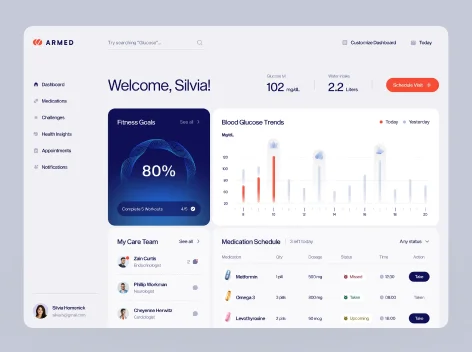
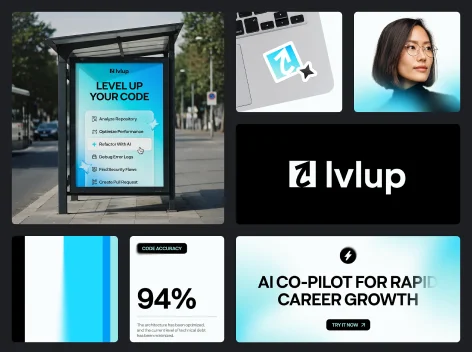
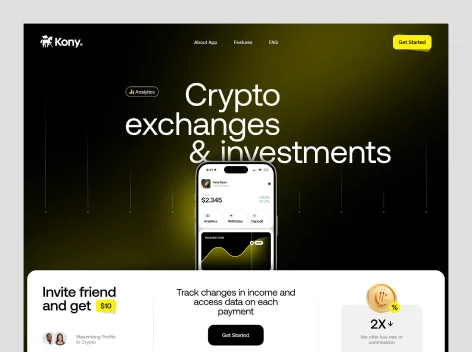
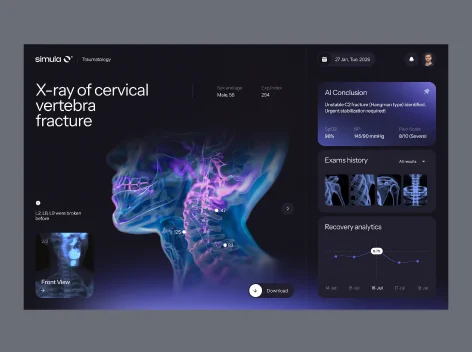
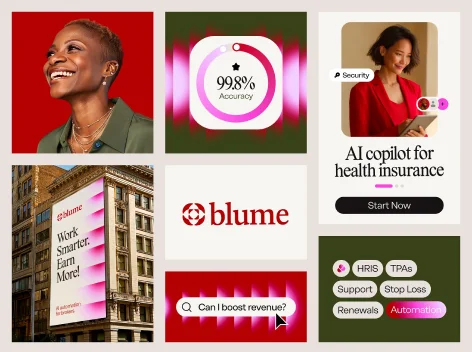
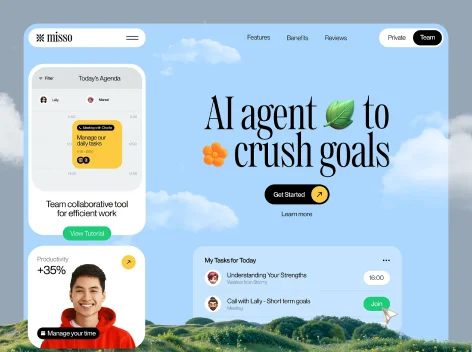
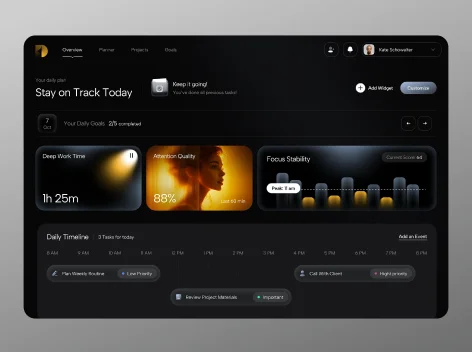
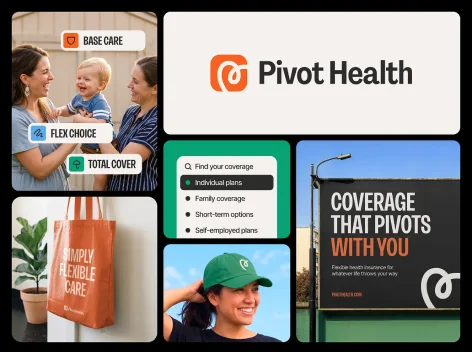
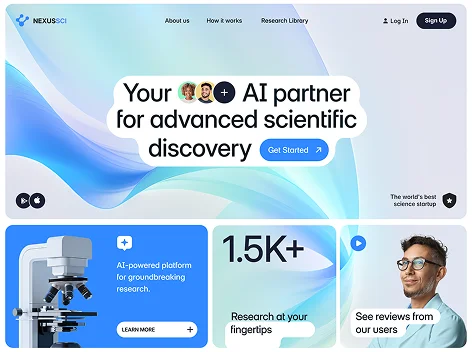
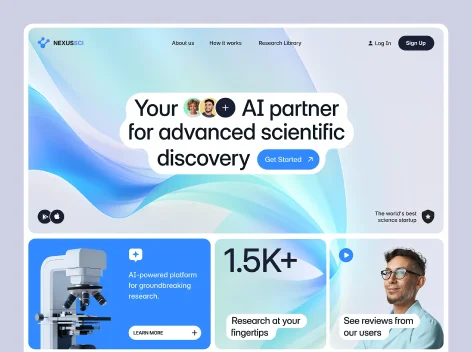
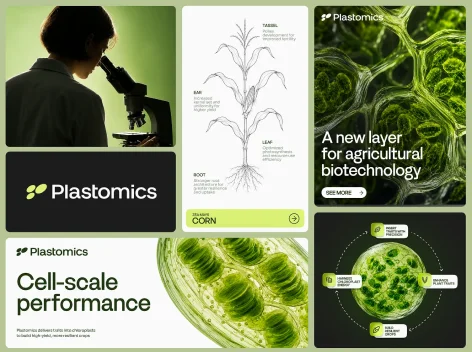
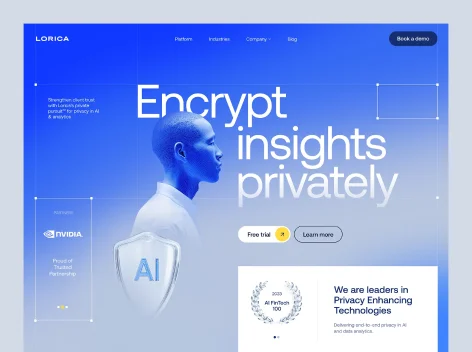

User research, competitive landscape analysis, problem prioritisation, v1 feature scoping, product roadmap, success metrics definition, and a strategy handoff your team presents to stakeholders and engineering.
Product discovery is scoped to a specific build — validating features for a defined product. Product strategy is broader — defining who the product is for, what problems it solves, and how it positions against alternatives before any specific build is planned.
Most product strategy engagements run 2 to 4 weeks — covering research, competitive analysis, prioritisation, roadmap, and handoff. Larger products with multiple user groups may take longer.
Yes. User interviews are a standard part of product strategy — we recruit participants, run moderated sessions, synthesise findings, and document insights in a format your team can build decisions from.
Yes. A prioritised product roadmap is a core deliverable — phased by value and dependency, with rationale for each phase so your team can present decisions to stakeholders, investors, and engineering leads.
Yes. Product strategy is as useful for replanning a stalled product as for defining a new one — we audit the existing roadmap, re-validate assumptions, and redefine priorities against current user and market evidence.
Yes. KPIs and success metrics for each roadmap phase are defined as part of the strategy — so your team has agreed targets before build begins and a framework for evaluating whether each phase is working.
Yes. The strategy handoff is structured for direct input into design — user research insights, validated scope, and roadmap feed into product discovery and UX design without requiring a separate briefing process.
Yes. Ongoing strategy retainers are available — covering quarterly roadmap reviews, new feature prioritisation, user research cycles, and competitive positioning updates as your product and market evolve.