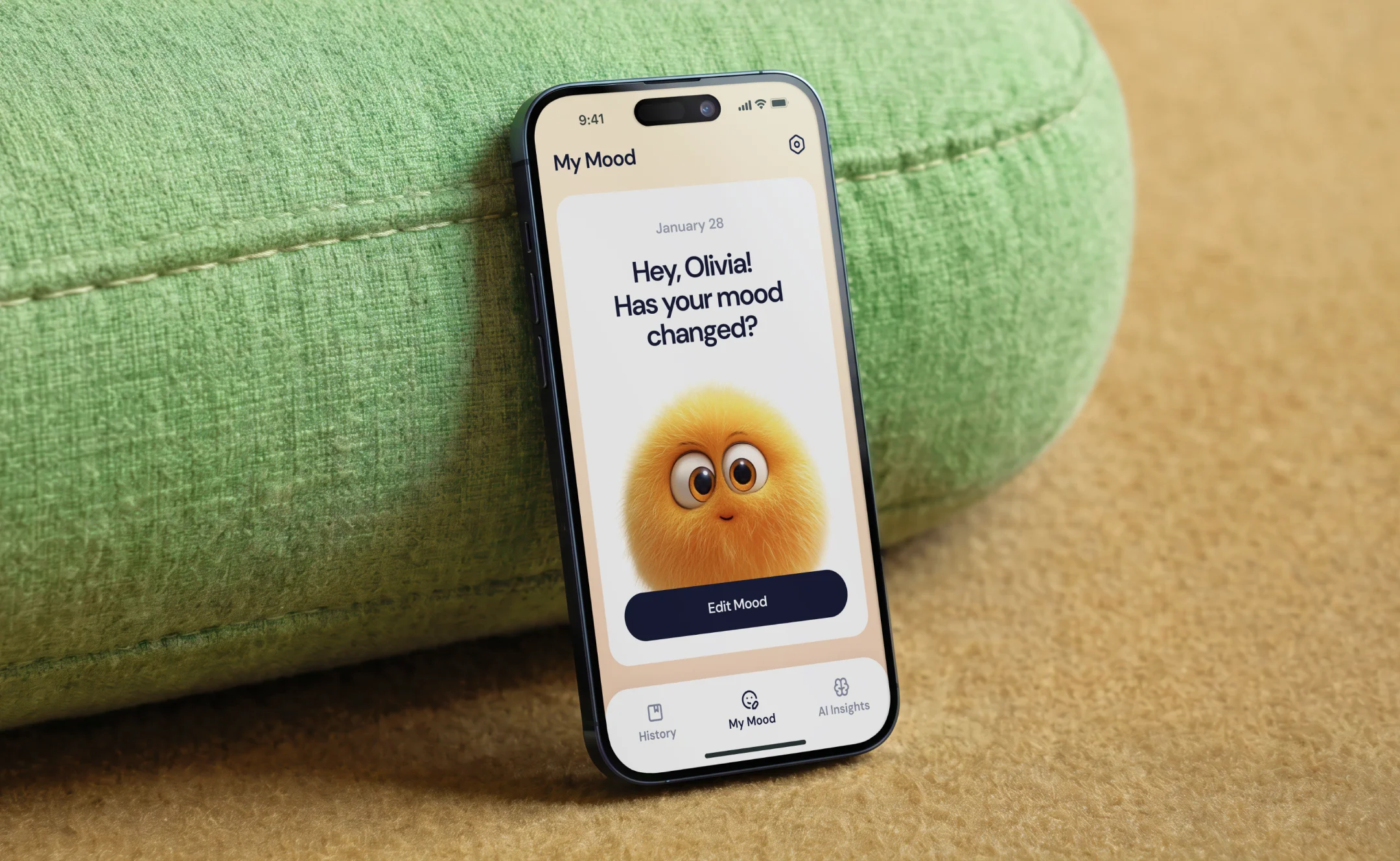





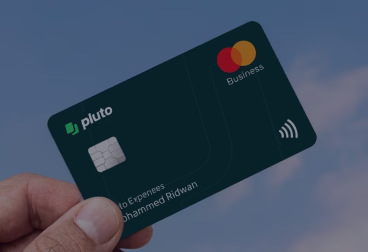
We design healthcare apps for the worst day rather than the demo. The person holding the phone is tired, anxious, or in pain, often working one-handed, and every extra field is another chance to abandon an intake, a daily log, or a dose.
That principle shapes the work: onboarding and consent finished in one sitting, tracking fast enough to survive a bad week, appointments and telehealth without a phone call, and clinician views built around a clinical workflow instead of a consumer feed.


Your company has grown, but the brand no longer reflects scale or direction.
Your company has grown, but the brand no longer reflects scale or direction.
Your company has grown, but the brand no longer reflects scale or direction.
Daily tracking starts well and stops long before the outcome is reached.
Readings and scans arrive, and the patient still cannot tell what changed.
Ninety-nine reminders arrive, so the clinically important one is muted too.

“All projects in which we’ve involved Halo Lab have been great successes, but their leadership on our brand refresh is worth highlighting.”

“We’ve had feedback from users, investors, and employees, and everyone has said that Halo Lab did a fantastic job with the branding.”

“We’re proud of their branding services. They not only do what we tell them but also make suggestions to help us improve our offerings.”

What we deliver
Signup, consent, and intake completed by someone who is unwell, tired, or holding a phone one-handed.
Daily logging fast enough to survive a bad day, so that the record stays consistent week after week.
Booking, reminders, and video visits handled in the app, without a phone call to a reception desk.
Schedules, reminders, and refills designed around real routines, so a dose is not quietly missed.
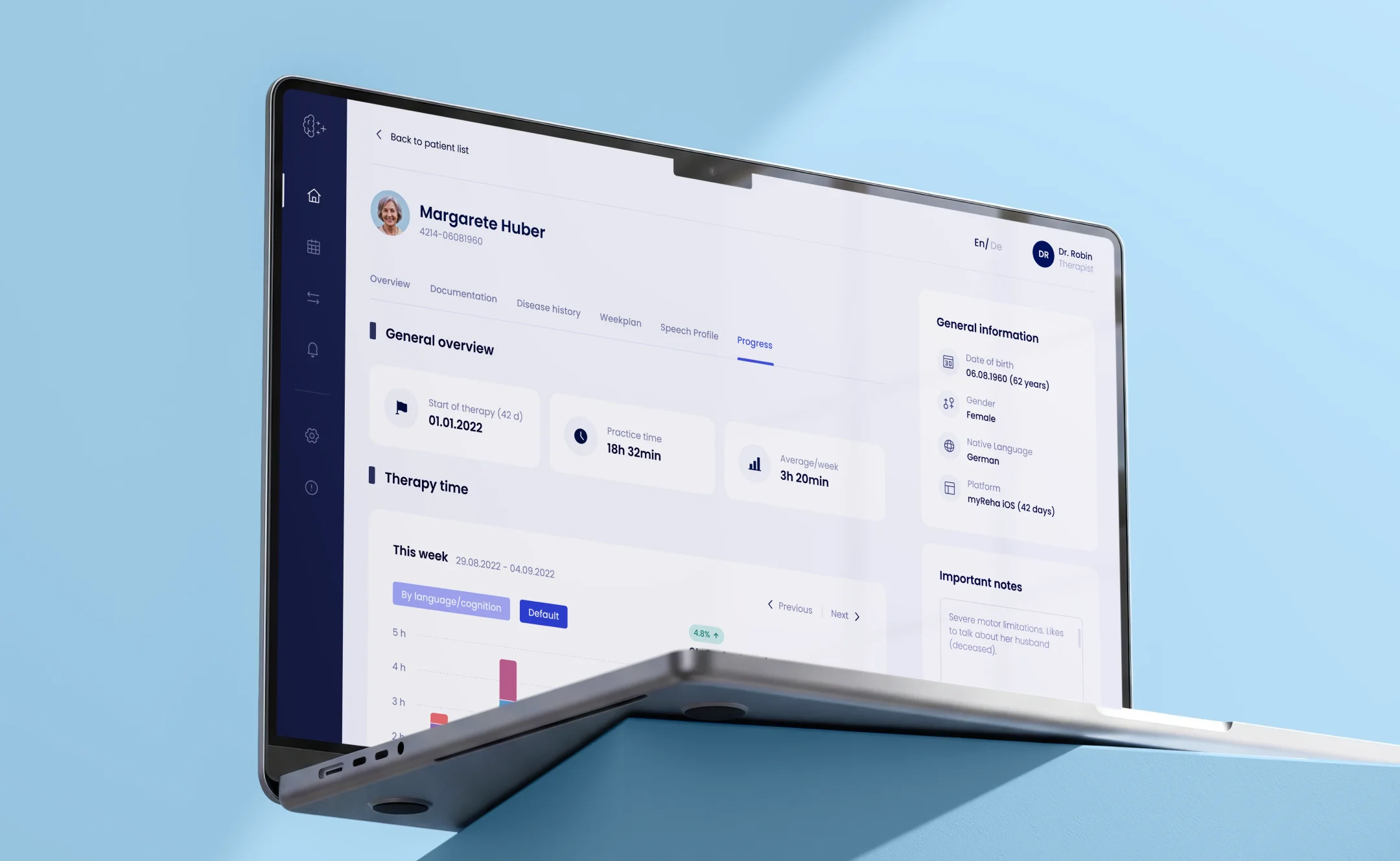
Charts and notes shaped around a clinical workflow, rather than around a consumer social feed.
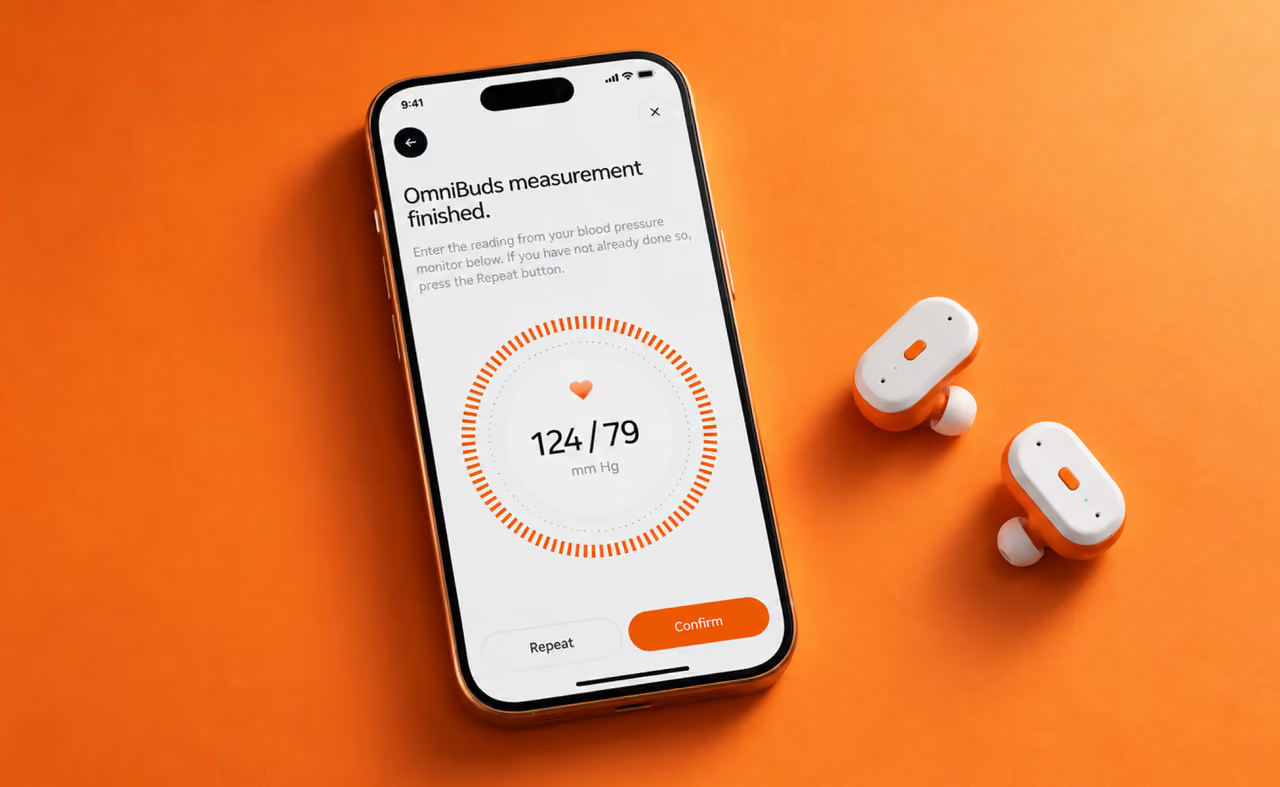
Sensor setup and live vitals handled step by step, so that nobody is lost at the pairing screen.
WCAG contrast, touch targets, and HIPAA-aware patterns built in from the first screen onward.
Reusable component library delivered, so your team ships new screens without a full redesign.


How we work

Start with a strategy call where we align on your goals, challenges, and priorities, and set a clear direction for the entire branding process.
3–4 Days
Research & analysis
%20(1).avif)
We map patient, carer, and clinician journeys, the condition and its worst days, then set what the app has to do before it passes.
.avif)
We define navigation, tracking, and care-team flows before design begins, with every daily action measured in taps.
.avif)
We design intake, tracking, appointment, and clinician screens in Figma — real clinical data, one-handed layouts first.
.avif)
We build clickable prototypes and test them with patients and clinicians, fixing the flows that break before a single screen is engineered.
.avif)
We deliver a component library and engineering handoff — states, tokens, accessibility specs, and platform notes your developers build from directly.
Start with a strategy call where we align on your goals, challenges, and priorities, and set a clear direction for the entire branding process.
3–4 Days
Research & analysis
Industries we serve

Mobile app design for hospitals, clinics, and health systems.
Mobile app design for banks, insurance firms, and financial platforms.

Mobile app design for logistics, transport, and supply chain companies.

Mobile app design for property developers and management firms.

Mobile app design for schools, universities, and e-learning platforms.

Mobile app design for Web3 startups and blockchain-based products.

Mobile app design for wellness brands, gyms, and fitness studios.

Mobile app design for tech companies, software products, and platforms.

120+ experts and 500+ projects provide insights into solutions that fit the market.

Projects start with research, positioning, and clear goals for data-driven decisions.
No templates or generic patterns — only custom design shaped for your objectives.
We turn complex ideas into clear, scalable designs for SaaS, B2B, and tech companies.

Structured communication and transparent workflows keep you aligned at every step.

Clear pricing and adaptable scopes help you stay on budget and ensure top quality.
“Halo Lab is very organized in planning to achieve the goals within the set deadlines. We feel they were part of our internal team project.”

“Their experts have a very diverse range of skills and always find a solution to exposed issues. The communication process was clear.”

“During the collaboration, Halo Lab prioritized our people, always taking into account our input and ideas and giving all team members a voice.”

“The Halo Lab team unified branding across our patients’ app, showcasing professionalism, convenience, and consistency.”

“Halo recreated our existing portal with a modern and beautiful experience, greatly increasing usability and delight for the end user.”

“Halo Lab is brilliant. We were impressed with their timely delivery, cost-effectiveness, and the people who knew what they were doing!”

“The value we get from Halo Lab and their quality designs sets them apart from others. They are the right mix of price, talent, and style.”

“We gave the Halo Lab team a chance, and we immediately knew they were the ones we wanted to work with.”

“The Halo Lab work pleasantly surprised us, and bringing in their professional design team has been a worthy investment for us.”

“When collaborating with Halo Lab, we felt that communication was straightforward and that the deliverables fit what we expected.”

“Halo Lab has helped us with a rebrand and defined a new name, logo, and color palette. We’ve had a great experience working with them.”


13 years
We’ve built one of the most trusted agencies
150+
Specialists in design, engineering & product management
78%
Returning clients in Europe & North America
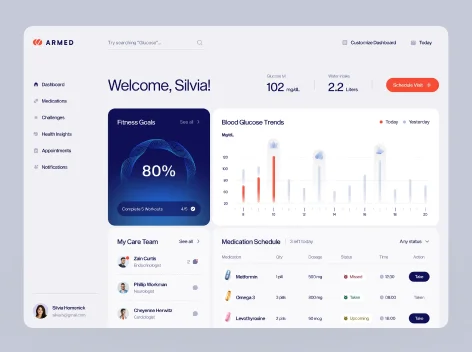
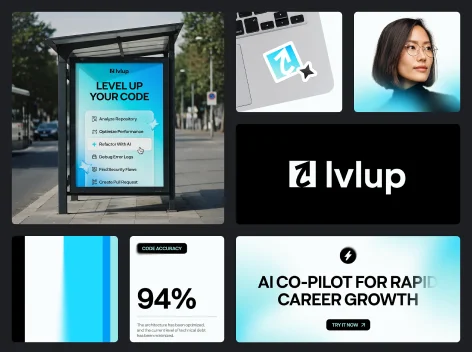
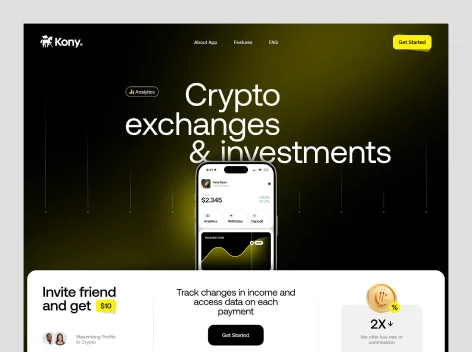
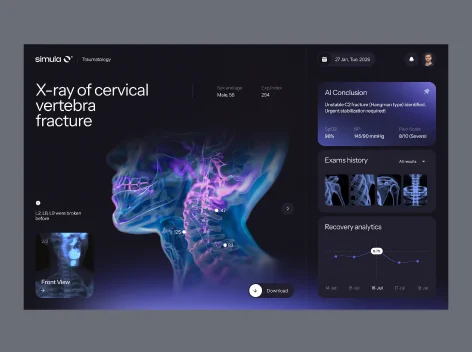
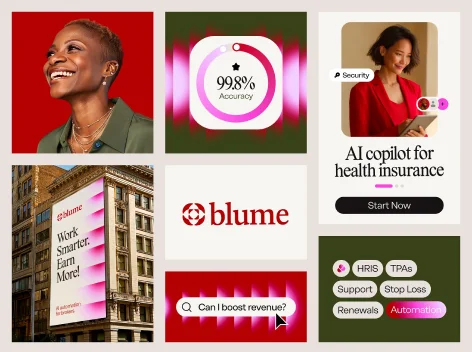
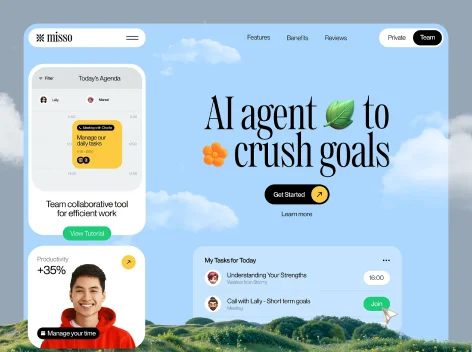
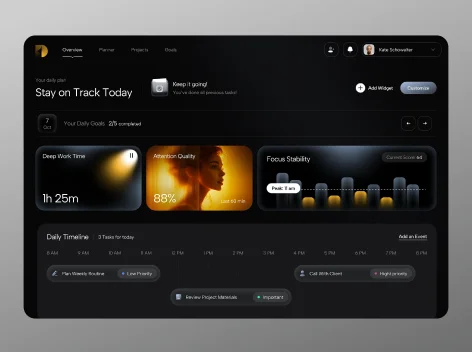
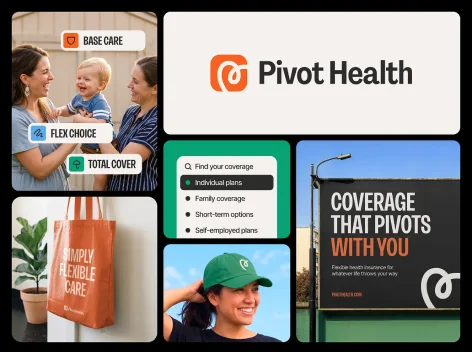
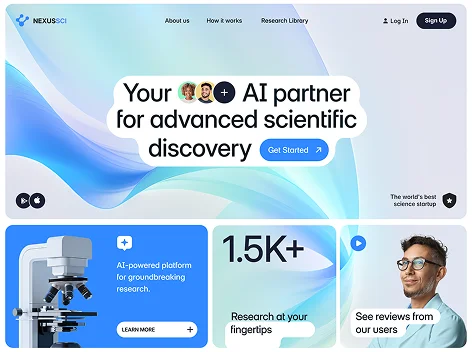
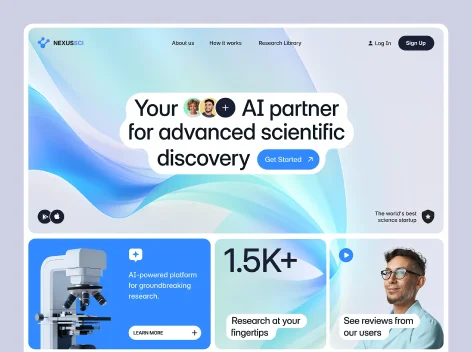
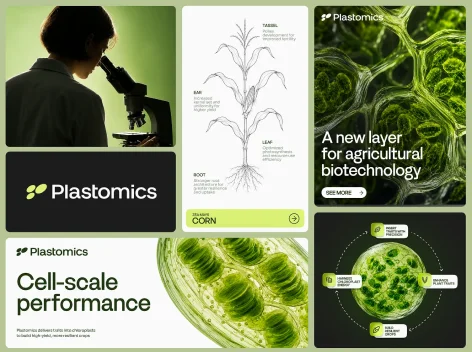
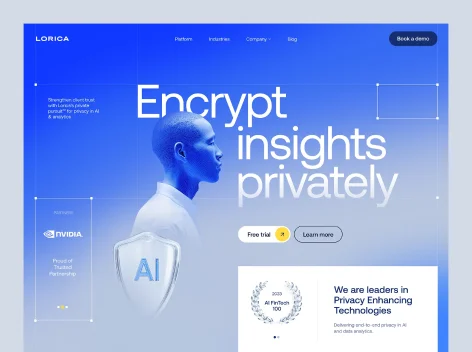
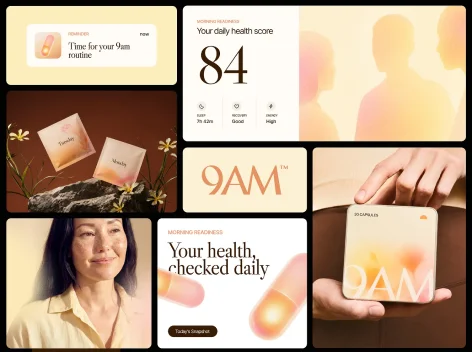
Patient onboarding and consent flows, symptom and vitals tracking, appointment and telehealth screens, medication and adherence design, clinician-facing views, wearable pairing, accessibility and compliance work, usability testing, and a design system with engineering handoff.
By making the daily action survivable on a bad day. Most tracking apps lose people to friction rather than motivation, so the logging step is cut to seconds before anything else is added.
Both, and the screens differ sharply. A patient needs the next action and reassurance; a clinician needs density, comparison, and speed across a caseload in a working shift.
In one sitting, broken into steps a person can finish while unwell. Consent language is designed to be read rather than dismissed, with progress saved at every stage.
Yes. Data minimisation, consent, access control, and audit visibility are designed in, though certification remains a matter for your legal and infrastructure teams alongside the build.
Most healthcare mobile app design projects run 10 to 16 weeks from discovery to handoff, depending on clinical scope, regulatory review, and integration complexity.
Yes. Pairing, calibration, and live vitals are designed as a first-run path, because device setup is where most connected-health products lose their users.
As a requirement, not a pass at the end. WCAG contrast, touch target sizing, dynamic type, and screen reader flows are specified during design and checked before handoff.
Yes. Design and development are delivered by one team — iOS, Android, or cross-platform build, EHR and device integrations, accessibility work, and QA before release.
.avif)