




Designing interactions means specifying what happens when a user taps, waits, errors, or succeeds — every component state and transition defined before engineering guesses at it.
Halo Lab covers the full behaviour layer: micro-interactions, motion logic, gesture patterns, and a complete motion specification for direct engineering implementation.


Your company has grown, but the brand no longer reflects scale or direction.
Your company has grown, but the brand no longer reflects scale or direction.
Your company has grown, but the brand no longer reflects scale or direction.
.webp)
Developers animate from instinct — easing and timing never agreed.
.webp)
Error and empty states missing — inconsistent across every build.
.webp)
Animations differ across components — no shared timing or easing.

“All projects in which we’ve involved Halo Lab have been great successes, but their leadership on our brand refresh is worth highlighting.”

“We’ve had feedback from users, investors, and employees, and everyone has said that Halo Lab did a fantastic job with the branding.”

“We’re proud of their branding services. They not only do what we tell them but also make suggestions to help us improve our offerings.”

What we deliver
State changes, feedback animations, and triggers for every user action — specified precisely.
Duration, easing, and delay values documented as tokens for direct engineering implementation.
Every interactive state designed — default, hover, focus, active, disabled, loading, and error.
Screen-to-screen transitions defined — entry, exit, and shared element animations specified.
Touch gestures designed and specified — swipe, drag, pinch, and long-press interactions.
Skeleton screens, progress indicators, and loading animations designed for every wait state.
Figma prototype with real timing and easing — for engineering and stakeholder review.
Existing product audited against motion principles — gaps and inconsistencies prioritised.


How we work

Start with a strategy call where we align on your goals, challenges, and priorities, and set a clear direction for the entire branding process.
3–4 Days
Research & analysis
%20(2).webp)
We review your existing product for motion inconsistencies, missing states, and components without specified behaviour.
.webp)
We define easing curves, duration scale, and motion tokens — the shared rules every animation in the product follows.

We design every component state — hover, focus, active, disabled, loading, and error — across all interactive elements.
.webp)
We build a Figma interactive prototype with real timing and easing — so stakeholders review motion before engineering builds.

We document every animation as a motion spec — easing values, duration tokens, and per-component notes for engineering.
Start with a strategy call where we align on your goals, challenges, and priorities, and set a clear direction for the entire branding process.
3–4 Days
Research & analysis
Industries we serve

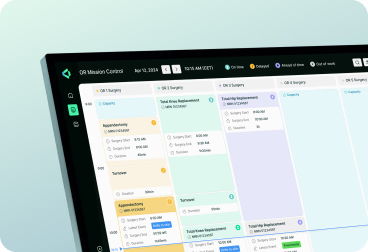
Interaction design for clinical apps — state and motion logic that guides users through critical medical flows.
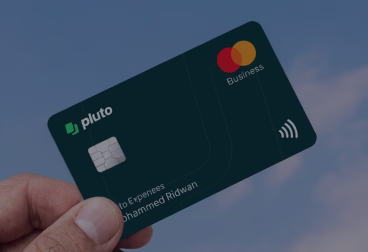
Interaction design for fintech — state changes, transitions, and micro-interactions that reinforce trust.

Interaction design for ops tools — state and motion design that keeps operators focused on critical actions.

Interaction design for property platforms — transitions and states that make complex flows feel effortless.

Interaction design for EdTech — motion and states that encourage progress and reward learner engagement.

Interaction design for crypto products — motion logic that builds confidence in high-stakes wallet flows.

Interaction design for health apps — micro-interactions and motion that support habit-forming engagement.
Interaction design for SaaS tools — states and transitions that reduce cognitive load in complex interfaces.

120+ experts and 500+ projects provide insights into solutions that fit the market.

Projects start with research, positioning, and clear goals for data-driven decisions.
No templates or generic patterns — only custom design shaped for your objectives.
We turn complex ideas into clear, scalable designs for SaaS, B2B, and tech companies.

Structured communication and transparent workflows keep you aligned at every step.

Clear pricing and adaptable scopes help you stay on budget and ensure top quality.
“Halo Lab is very organized in planning to achieve the goals within the set deadlines. We feel they were part of our internal team project.”

“Their experts have a very diverse range of skills and always find a solution to exposed issues. The communication process was clear.”

“During the collaboration, Halo Lab prioritized our people, always taking into account our input and ideas and giving all team members a voice.”

“The Halo Lab team unified branding across our patients’ app, showcasing professionalism, convenience, and consistency.”

“Halo recreated our existing portal with a modern and beautiful experience, greatly increasing usability and delight for the end user.”

“Halo Lab is brilliant. We were impressed with their timely delivery, cost-effectiveness, and the people who knew what they were doing!”

“The value we get from Halo Lab and their quality designs sets them apart from others. They are the right mix of price, talent, and style.”

“We gave the Halo Lab team a chance, and we immediately knew they were the ones we wanted to work with.”

“The Halo Lab work pleasantly surprised us, and bringing in their professional design team has been a worthy investment for us.”

“When collaborating with Halo Lab, we felt that communication was straightforward and that the deliverables fit what we expected.”

“Halo Lab has helped us with a rebrand and defined a new name, logo, and color palette. We’ve had a great experience working with them.”


13 years
We’ve built one of the most trusted agencies
150+
Specialists in design, engineering & product management
78%
Returning clients in Europe & North America
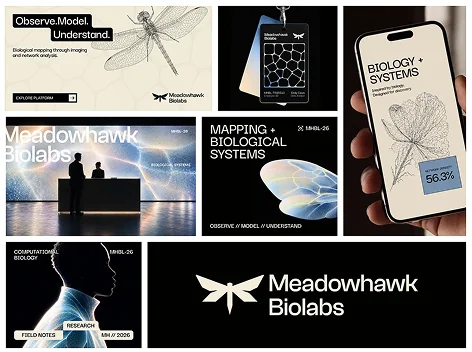
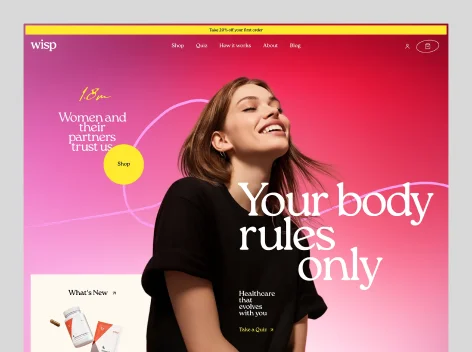
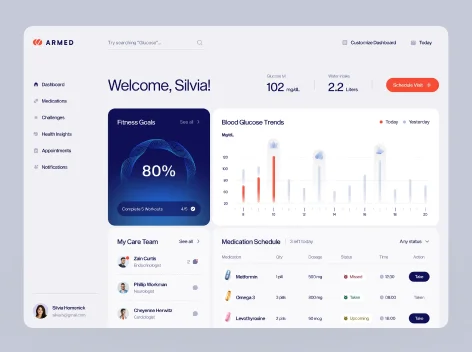
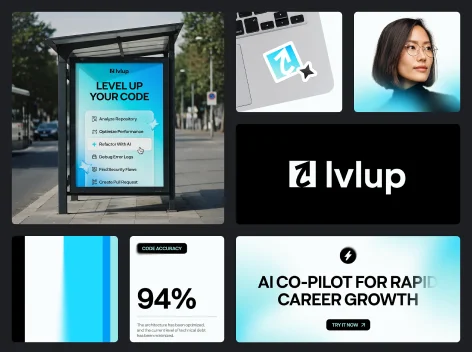
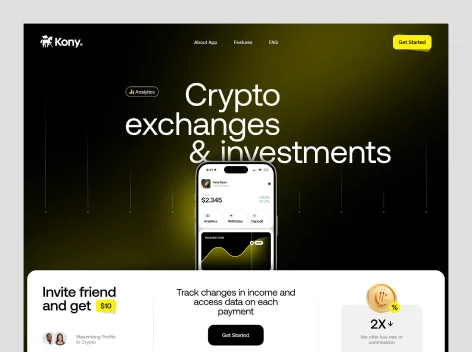
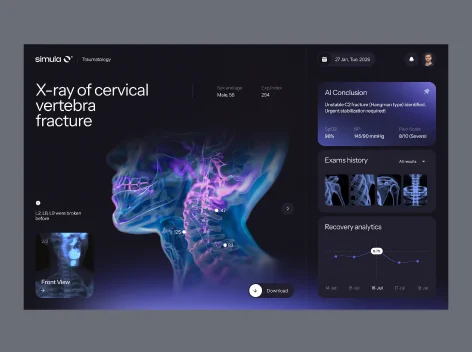
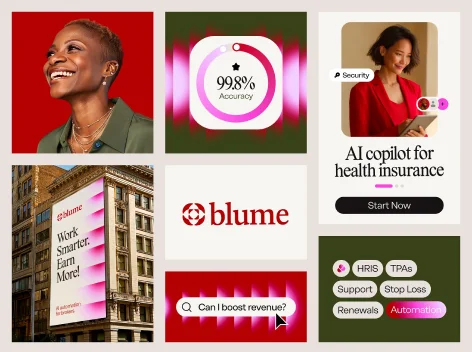
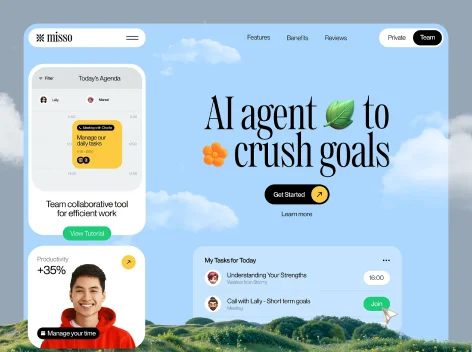
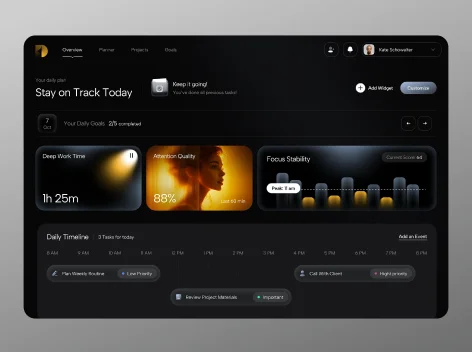

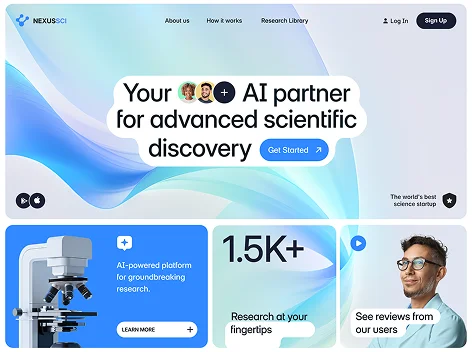
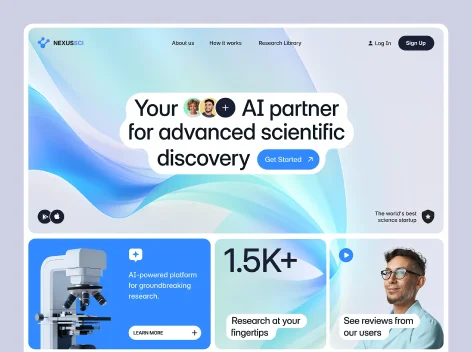
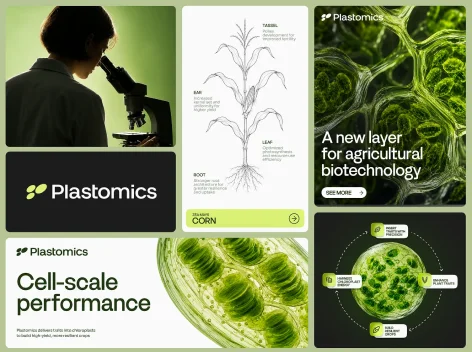

Micro-interaction design, component state design, transition and animation specification, gesture patterns, loading and error states, a Figma interactive prototype, and a motion specification document for engineering implementation.
UI design defines the visual appearance. Interaction design defines the behaviour — what happens when users tap, swipe, wait, or encounter errors. Both are needed; they work from the same component library.
Yes. Every engagement includes a Figma interactive prototype with real easing curves and timing — so stakeholders can review motion before engineering begins.
Most interaction design engagements take 2 to 4 weeks depending on the number of components, screens, and the complexity of state logic required across the product.
Yes. The motion specification is a standard deliverable — easing values, duration tokens, delay logic, and per-component animation notes structured for direct engineering implementation.
Yes. We audit existing products for motion inconsistencies, missing component states, and undefined animation behaviour — delivering a prioritised list of gaps before redesign begins.
Yes. Swipe, drag, pinch, and long-press gestures are specified with directional logic, threshold values, and feedback states for both iOS and Android implementation.
Yes. Loading states, skeleton screens, progress indicators, error states, and empty states are all part of the standard deliverable — every wait and failure condition designed.
Yes. Ongoing interaction design retainers are available for product teams adding features regularly — covering new component states, motion tokens, and prototype updates as the product grows.