







Once shaped by textbooks and rigid schedules, education is now evolving through AI and adaptive technologies. EdTech startups like MagicSchool, Brisk Teaching, and many more are driving much of this progress. But how exactly are they turning technology into better studying?

Once shaped by textbooks and rigid schedules, education is now evolving through AI and adaptive technologies. EdTech startups like MagicSchool, Brisk Teaching, and many more are driving much of this progress. But how exactly are they turning technology into better studying?

With solutions designed for different stages of academic and professional development, EdTech makes quality education more accessible and flexible. Beyond online courses, the solutions range from K–12 and higher education platforms to tutoring apps, language learning tools, assessment systems, corporate training solutions, LMSs, and AI-powered study products.
In this article, we introduce the top 30 EdTech startups to watch in 2026, from school products to workplace learning, and explain how they are turning new technology into real learning outcomes.
{{banner}}
EdTech has never lacked startups, but not all of them make the move from a promising pilot to widespread, sustained use in schools, universities, and workplaces. The table below features the most promising startups that pair original ideas, from AI-supported teaching to new models of tutoring, with the funding and traction to deliver on them. Together, they show how technology and education can advance hand in hand, improving both learning quality and the conditions in which teachers work.
| Company | Segment | HQ | Founded | Total funding | Latest funding round |
|---|---|---|---|---|---|
| MagicSchool AI | AI for educators | Denver, Colorado, US | 2023 | $67M | Series B — Feb 2025 |
| Brisk Teaching | AI for teachers | San Francisco, California, US | 2023 | $20M | Series A — Mar 2025 |
| SchoolAI | AI-assisted classroom learning | Lehi, Utah, US | 2023 | $32M | Series A — Apr 2025 |
| Nectir | AI for higher education | San Francisco, California, US | 2018 | $18.74M | Funding round — Mar 2026 |
| Teachmint | AI classroom infrastructure | Bengaluru, India | 2020 | $115M | Series B — Oct 2021 |
| Eedi | AI math diagnostics | London, UK | 2015 | $6.8M | Grant (Gates Foundation) — Jun 2026 |
| EdSights | Student engagement | New York, New York, US | 2018 | $87.72M | Growth investment — Sep 2025 |
| Multiverse | Workforce training | London, UK | 2016 | $570M | Series E — May 2026 |
| Platzi | Professional learning | Bogotá, Colombia | 2014 | $78.5M | Series B — Dec 2021 |
| Seekho | Video-based learning | Bengaluru, India | 2020 | $39.5M | Series B — Sep 2025 |
| SchooLinks | College and career readiness | Austin, Texas, US | 2015 | $90.6M | Series B — Oct 2024 |
| Ello | AI reading tutor | San Francisco, California, US | 2020 | $15.1M | Series A — Sep 2023 |
| Wooclap | Classroom engagement | Brussels, Belgium | 2015 | $29M | Growth round — Sep 2025 |
| LingoAce | Online language learning | Singapore | 2017 | $180M | Series C — Dec 2021 |
| MyEdSpace | Online schooling | London, United Kingdom | 2022 | $15M | Series A — Sep 2025 |
| Campus | Online community college | New York, New York, US | 2021 | $100M | Series B — Mar 2025 |
| Go1 | Workplace learning content | Brisbane, Australia | 2015 | $400M | Funding round (Insight Partners) — May 2023 |
| Subject | K-12 digital curriculum | Beverly Hills, California, US | 2019 | $62.7M | Series A — Feb 2026 |
| Maven | Cohort-based learning | San Francisco, California, US | 2020 | $25.1M | Series A — May 2021 |
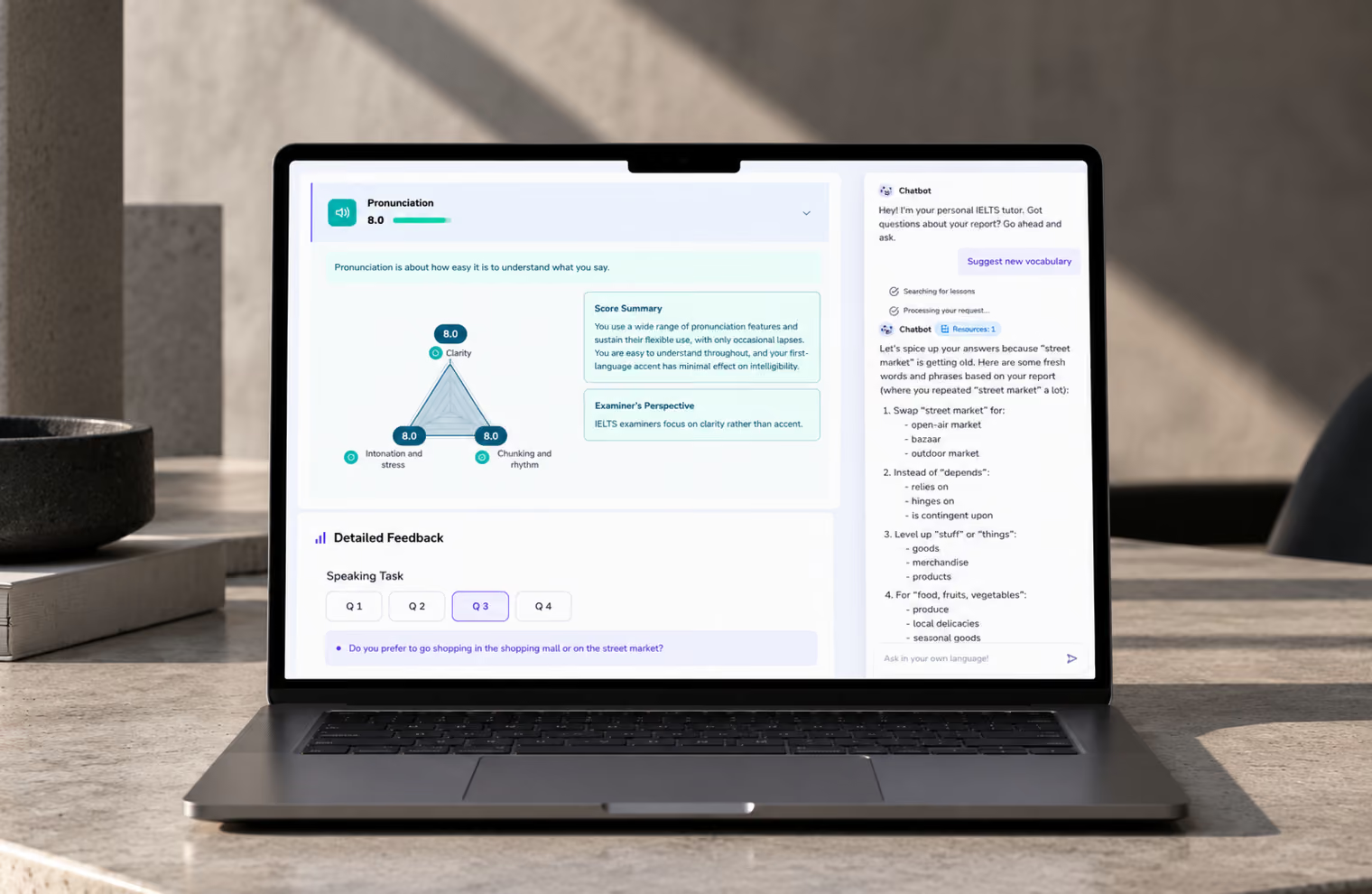
| BoldVoice | Pronunciation coaching | New York, New York, US | 2021 | $26.3M | Series A — Jan 2026 |
| Cathoven | AI language assessment | Hong Kong | 2022 | Undisclosed | Seed Round — Aug 2025 |
| Kira Learning | AI-powered K–12 | Palo Alto, California, US | 2021 | $22.5M | Series A — May 2023 |
| Oboe | AI-powered learning | New York, New York, US | 2024 | $20M | Series A — Dec 2025 |
| HowNow | Corporate learning | London, United Kingdom | 2016 | ~$13M | Series A — Feb 2025 |
| evulpo | School learning resources | Zurich, Switzerland | 2020 | ~$21M | Series A — Aug 2025 |
| EDURINO | Early childhood learning | Munich, Germany | 2021 | ~$35.5M | Series A — Apr 2026 |
| Preply | Tutoring and language learning | Kyiv, Ukraine | 2012 | $299M | Series D — Jan 2026 |
| Speak | AI language learning | San Francisco, California, US | 2016 | $162M | Series C — Dec 2024 |
| Aceable | Driver and professional education | Austin, Texas, US | 2012 | $106M | Series C — Dec 2020 |
| Mentor Collective | Higher education mentoring | Boston, Massachusetts, US | 2014 | $26M | Series A — Jan 2022 |
Behind the headline figures, the companies differ in what they build, whom they serve, and how they intend to scale. The following sections examine the distinct value each one creates within its segment, and what it could mean for the future of teaching and learning.
Here’s how the 30 startups are grouped by segment:
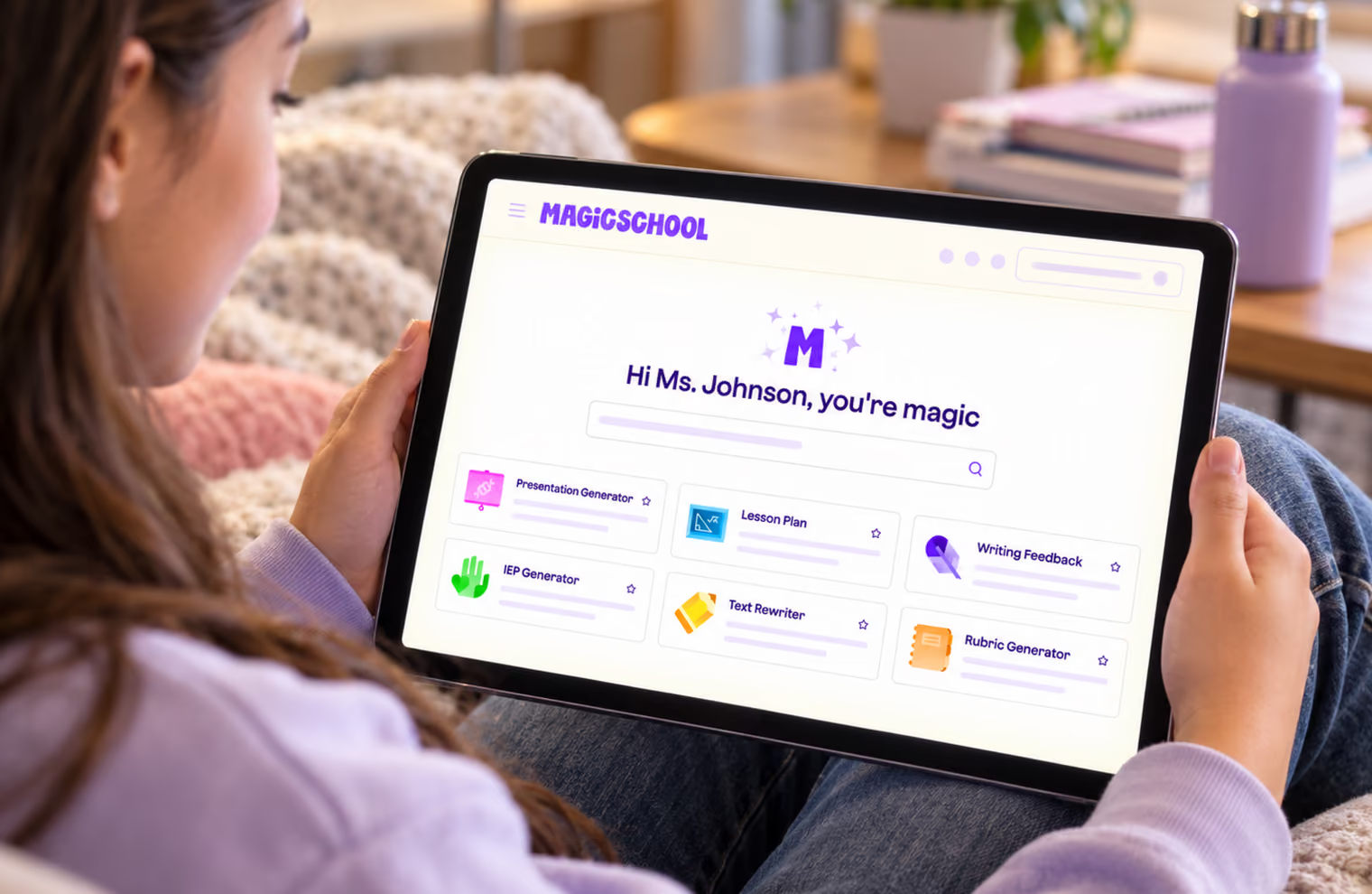
What it does: MagicSchool is an AI platform, founded by former teacher Adeel Khan, that helps teachers create lesson plans, quizzes, rubrics, differentiated materials, and student feedback in minutes. It turns models from OpenAI and Anthropic into education-specific workflows and extends them to students through supervised experiences.
Why it stands out: With around 8 million educator sign-ups worldwide, MagicSchool is expanding its role in schools. A June 2026 update gave administrators at Enterprise districts the ability to create and manage custom AI tools for students, allowing them to tailor AI experiences to their curriculum and learning goals.
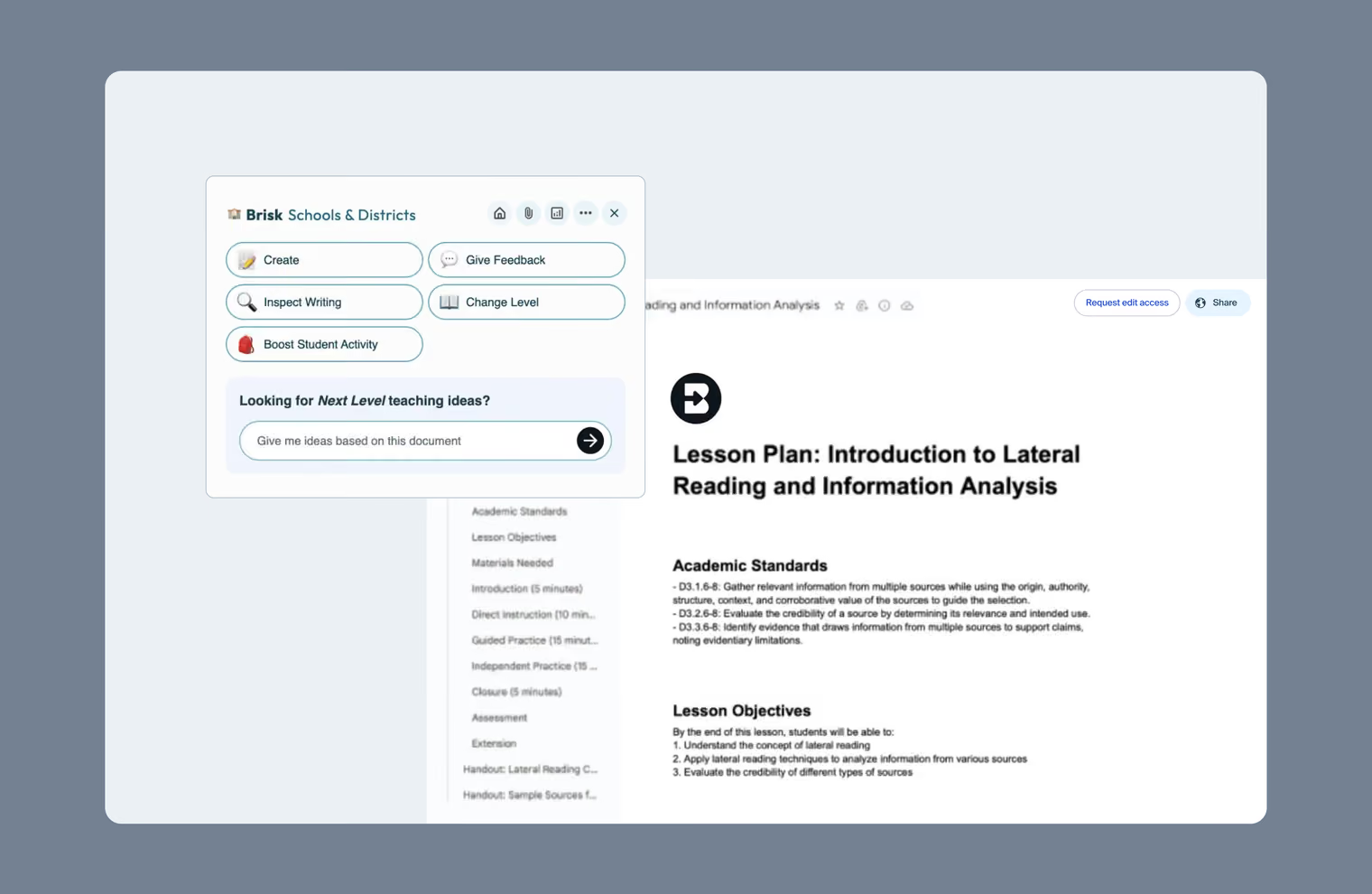
What it does: Brisk Teaching adds more than 20 AI tools directly inside Google Docs, Slides, Forms, and Classroom, so teachers can generate feedback, quizzes, and presentations without switching apps.
Why it stands out: Its most popular tool, Targeted Feedback, drafts essay comments tailored to age or a rubric for teachers to review. Its Curriculum Intelligence product adapts AI-generated materials to district curricula and pacing, keeping Brisk aligned with what schools actually teach.
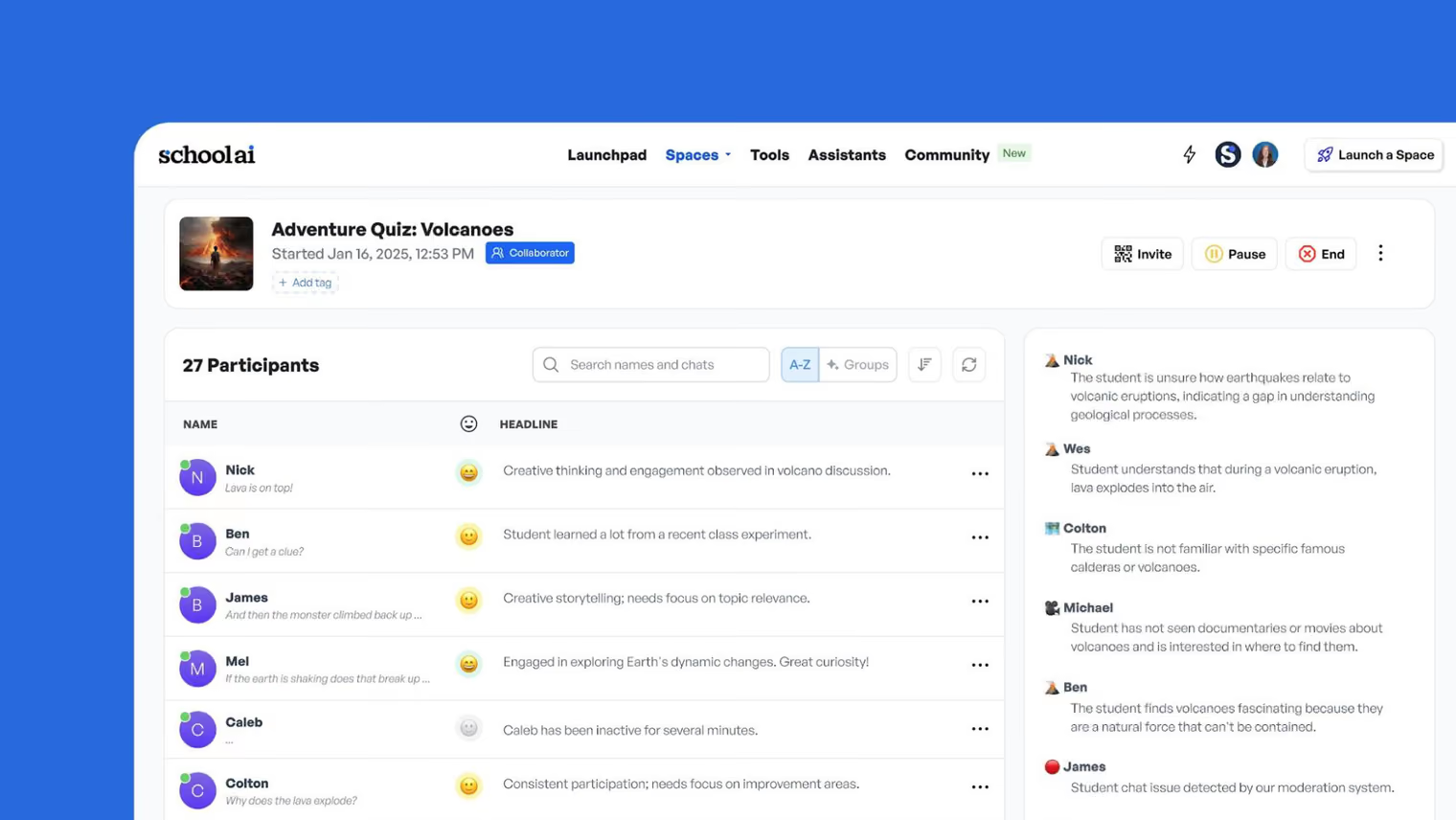
What it does: SchoolAI is a classroom AI platform built for students first: teachers launch customizable AI activities called Spaces, and students get personalized, adaptive support, including an AI Sidekick that works inside Canvas and outside class hours.
Why it stands out: The company reports use in more than 1 million classrooms across all 50 US states, demonstrating the potential for student-facing AI tools to reach scale across the education system.
What it does: Kira is an AI-native K–12 learning platform that builds AI into planning, teaching, grading, and reporting, and schools can run it as a standalone LMS or on top of an existing one.
Why it stands out: Kira maps every student interaction to specific skills, spots gaps, and recommends or delivers targeted support automatically — turning classroom data into interventions that actually help students.
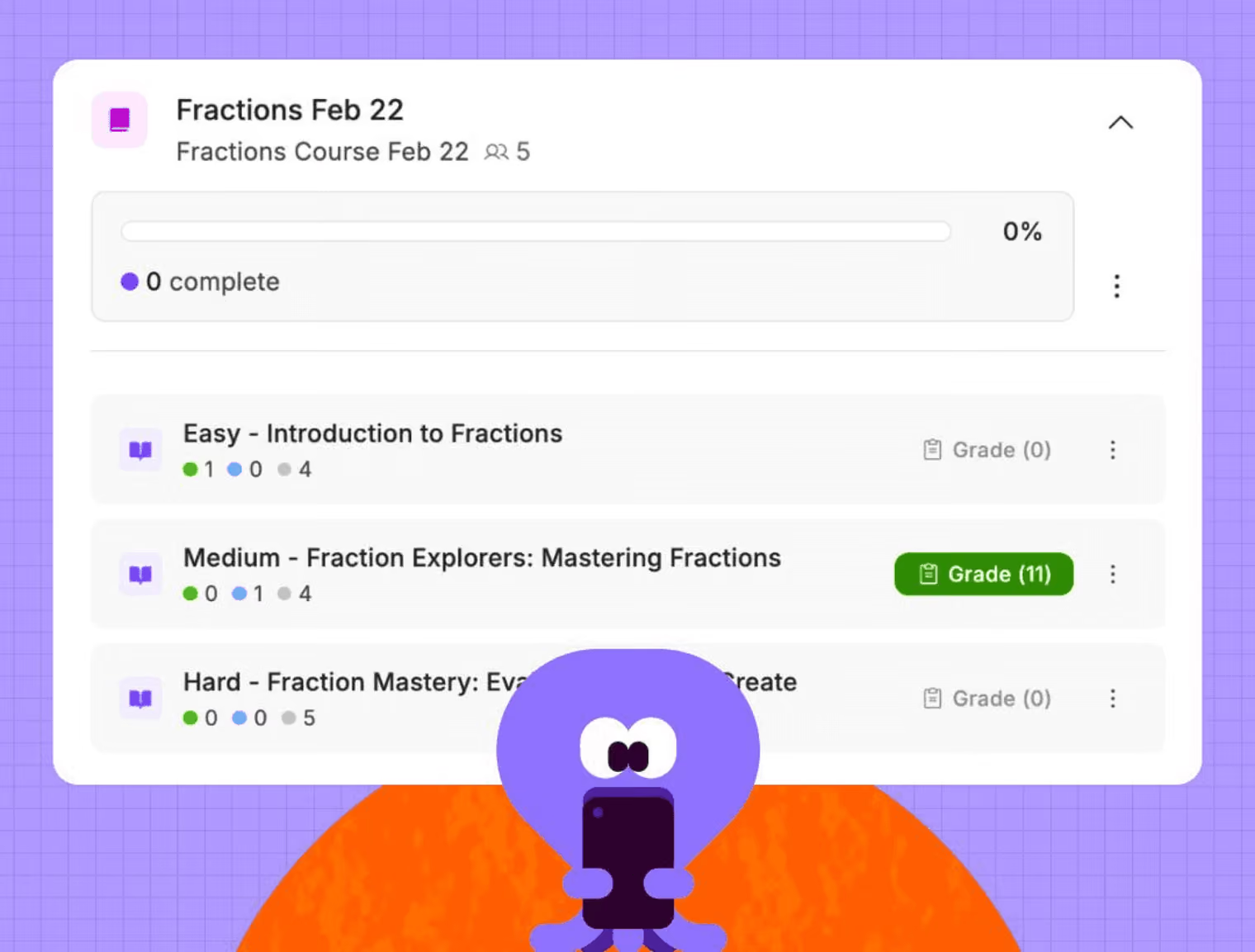
What it does: Subject delivers accredited courses for grades 6–12 as short video lessons, covering original credit and credit recovery, with Teacher of Record AI and Multilingual AI built in.
Why it stands out: Unlike many K-12 EdTech companies, which focus on classroom assistants, it tackles course access itself, so a school can offer a course it has no teacher for. Used by nearly 1,000 schools across about 360 districts, it fills gaps where districts lack teachers or capacity.

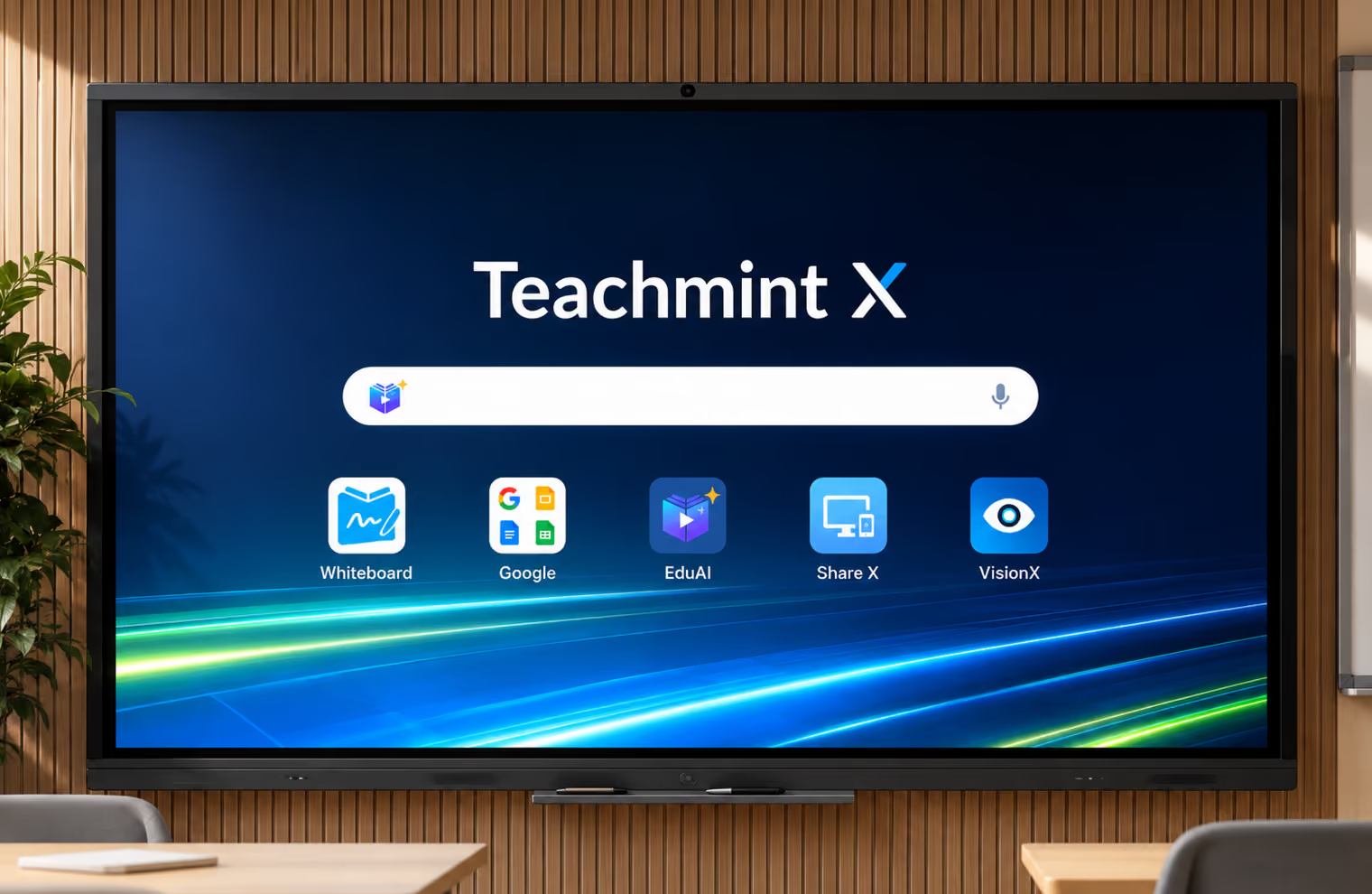
What it does: Teachmint builds AI-powered classroom infrastructure around Teachmint X, an interactive smart panel with an AI assistant that prepares lesson plans, quizzes, and homework, alongside software for managing school operations.
Why it stands out: With revenue growing 2.8× in FY2026, Teachmint is expanding its reach beyond India, with its AI-powered classroom technology gaining traction in the Middle East and Southeast Asia. Its connected classroom solutions target schools looking to bring digital teaching tools into everyday lessons.
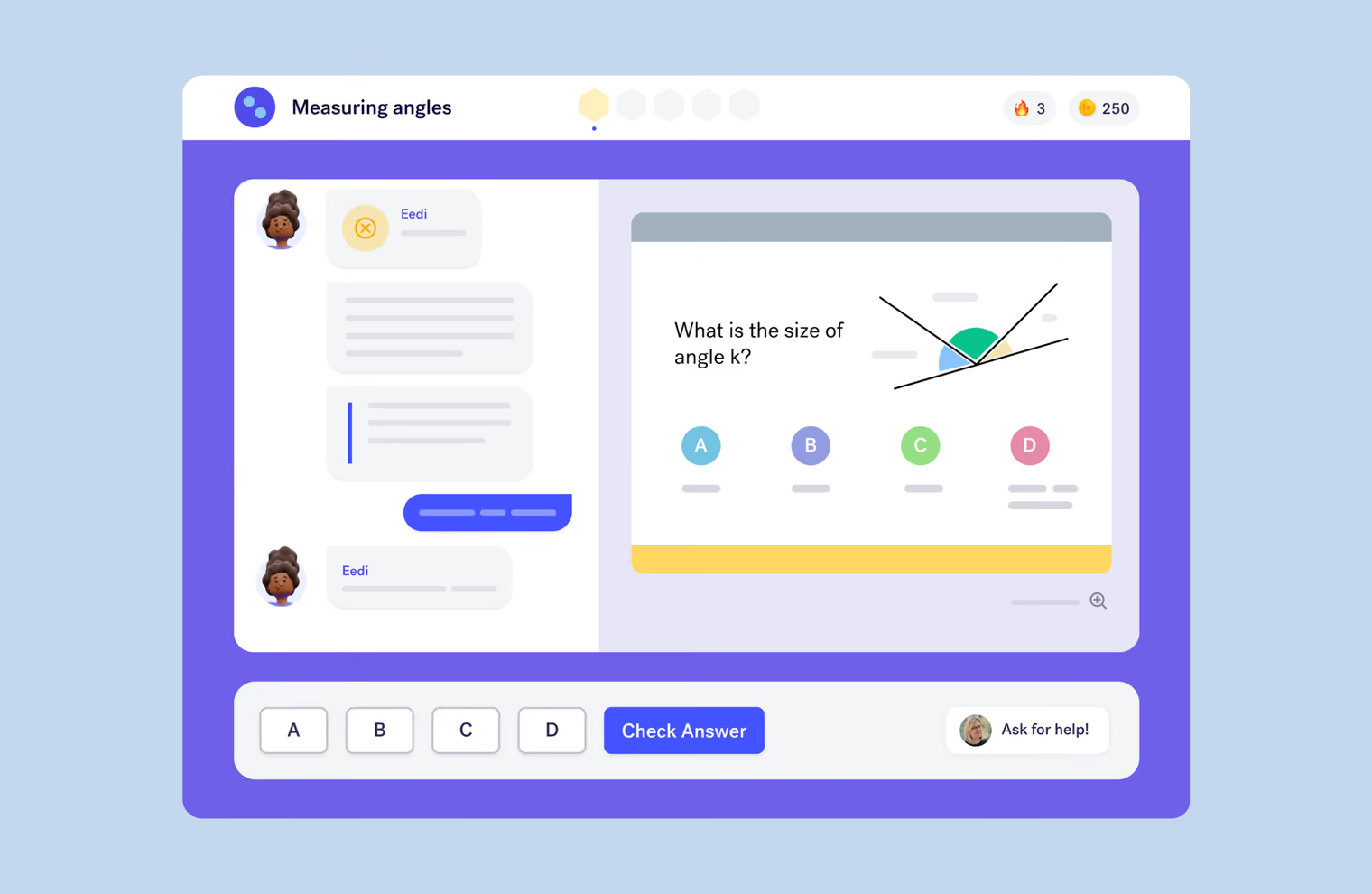
What it does: Eedi is an AI maths platform whose diagnostic questions reveal the specific misconception behind each wrong answer, drawing on more than 8,000 mapped misconceptions from about 200 million student responses. Its AI tutor steps in only after a mistake and guides students with questions instead of giving answers.
Why it stands out: Eedi runs AI tutoring trials with Google DeepMind and partnered with Anthropic to bring its diagnostic maths questions to Claude for Teachers in 2026. Its classroom-based randomized controlled trials and independently verified learning-outcome research make it a strong example of evidence-driven EdTech.
What it does: MyEdSpace is a UK online school that streams live GCSE and A-level maths and science lessons from selected expert teachers to large groups of students aged roughly 10 to 18.
Why it stands out: By putting one top teacher in front of thousands of students, it makes great teaching more affordable, reporting that 51% of its 2025 GCSE maths students achieved grades 7–9. After teaching more than 26,000 students, it has expanded into the US with live online maths courses.

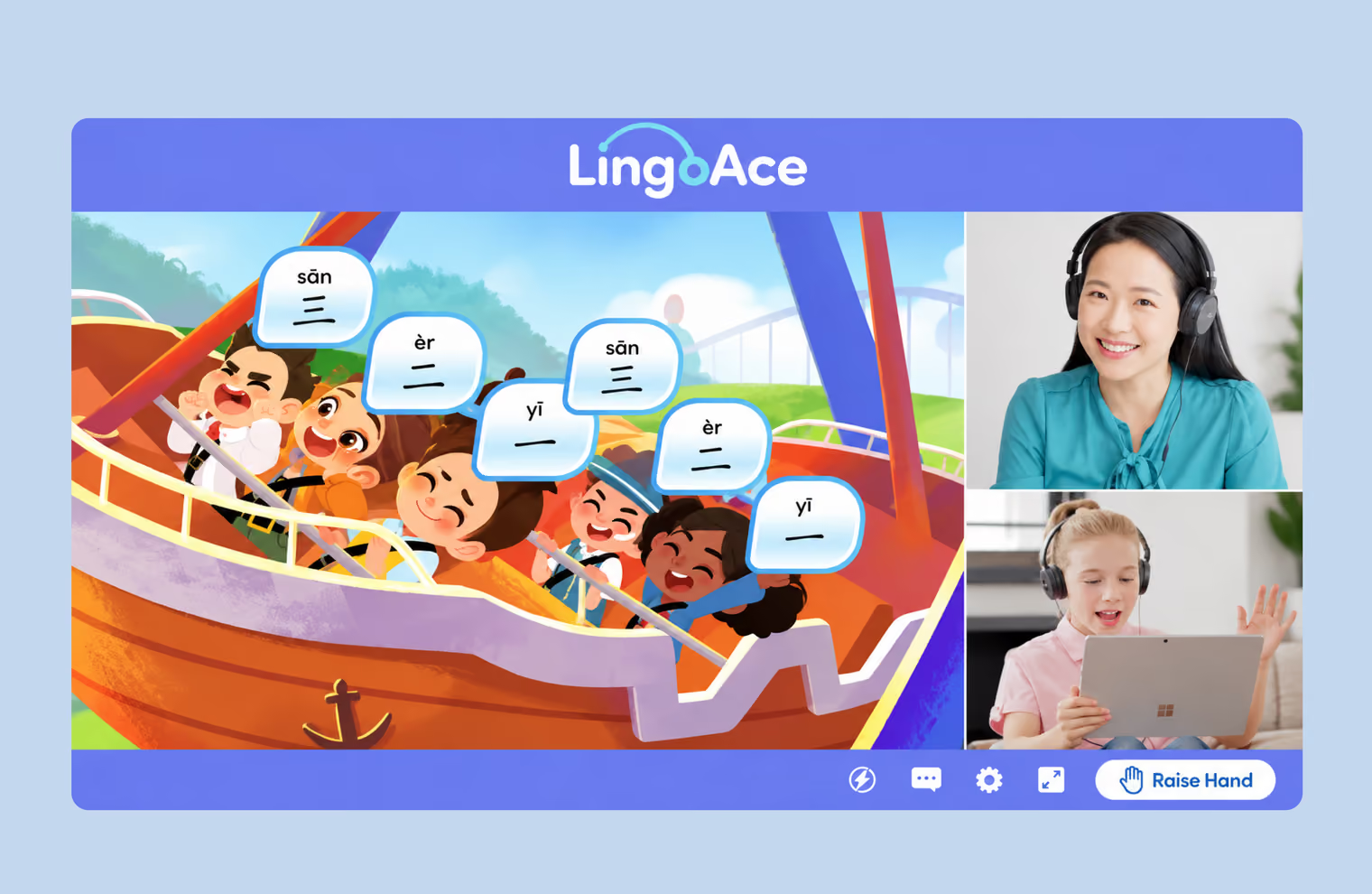
What it does: LingoAce runs live online classes for PreK–12 students with certified teachers, starting with Mandarin and now covering English, math, and broader academic programs through ACE Academy.
Why it stands out: Frost & Sullivan ranks it first among online Chinese-learning platforms by cumulative paying students, with the company reporting more than 730,000 learners served to date.
What it does: evulpo is an AI learning platform whose lessons and exercises follow the national curricula of seven European countries, so students practice exactly what they learn in class.
Why it stands out: The company is now investing in fully adaptive lessons and school tools, and its place on the HolonIQ 2026 Europe EdTech 200 list marks it as one of Europe’s best EdTech startups to watch.
What it does: EDURINO combines an ad-free learning app with physical figurines and an ergonomic stylus to teach children aged 4 to 8 reading, writing, numbers, logic, coding, and social skills.
Why it stands out: Its stylus was designed with occupational therapists, and its learning effects are evaluated with the University of Cambridge. With more than 1 million products sold, it offers parents a healthier balance of physical play and screen time.

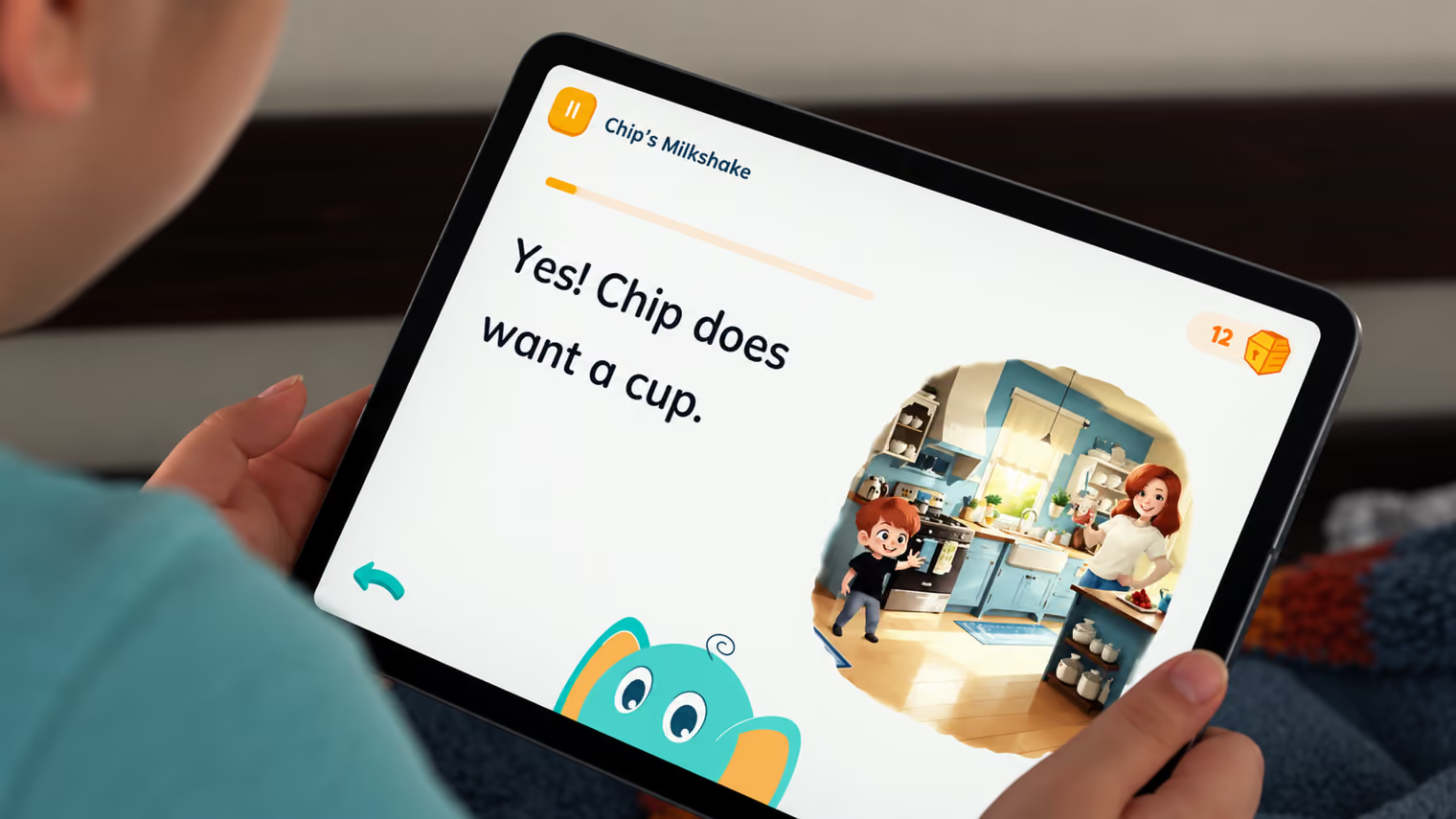
What it does: Ello is an AI reading tutor for children aged 4 to 9 that listens as they read aloud, using its own speech models trained on children’s voices to follow young readers who mispronounce, pause, or skip words.
Why it stands out: Its lessons follow the Science of Reading and include more than 1,200 decodable books. With a free tier and plans to make the app completely free in emerging markets, Ello is successfully tackling one of the biggest gaps in education: early literacy.
{{banner-2}}
What it does: Campus is an accredited online community college offering associate degrees in business, IT, and healthcare administration, led by instructors who also teach at universities such as Princeton, Stanford, and NYU.
Why it stands out: Tuition sits below the maximum Pell Grant, so eligible students can study tuition-free, and every student gets a laptop, Wi-Fi, tutoring, and a success coach. In 2026, it added a six-course Applied AI concentration across all associate degrees, preparing students for careers or further study at a lower cost.

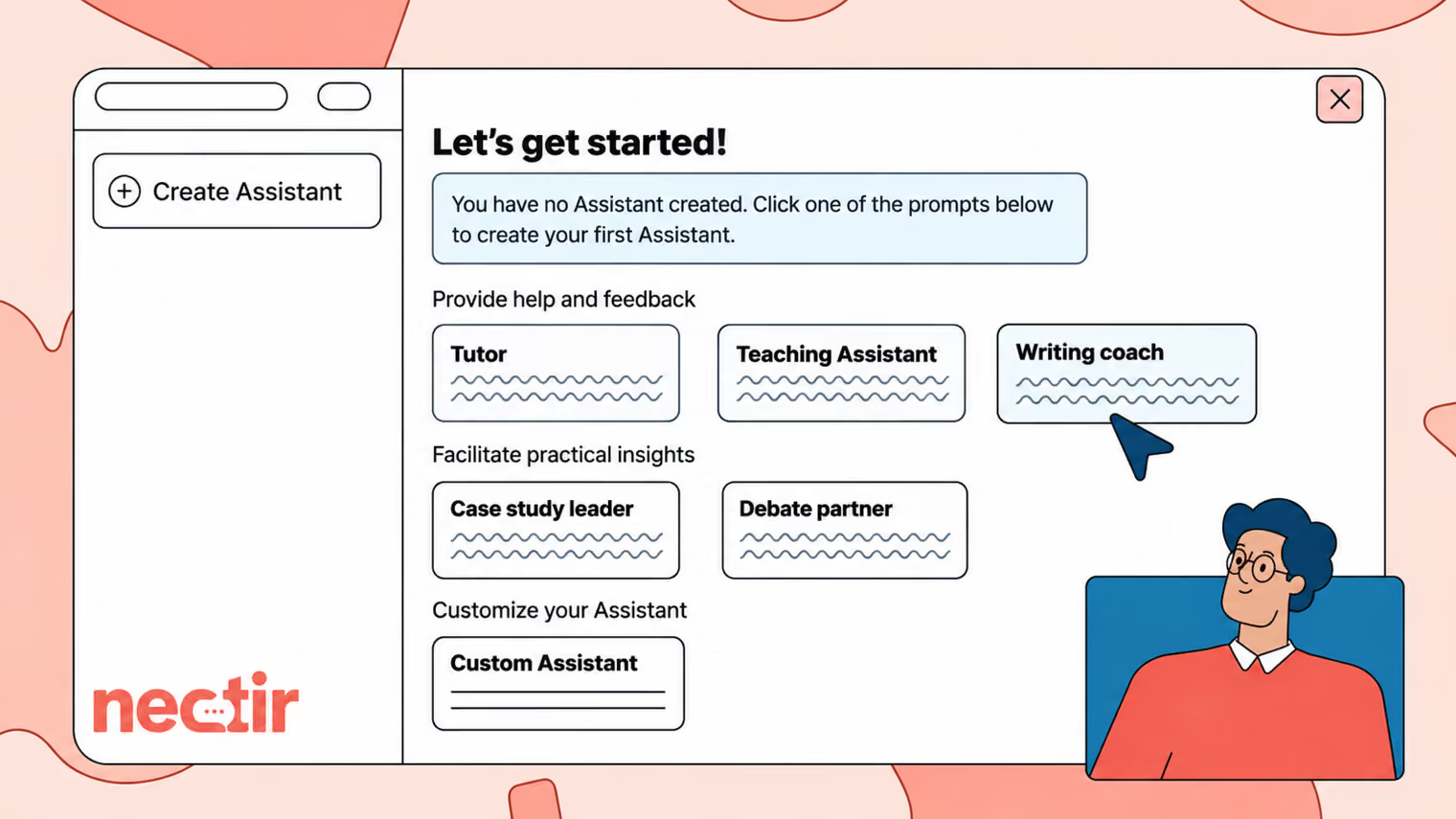
What it does: Nectir lets colleges build AI assistants grounded in their own course materials and connected to their LMS, so students get answers that match what their course actually teaches.
Why it stands out: The platform is designed to meet FERPA student-privacy requirements. The California Community Colleges made it available to about 2.1 million students across 116 colleges, a rollout other universities will study as they move beyond AI pilots.
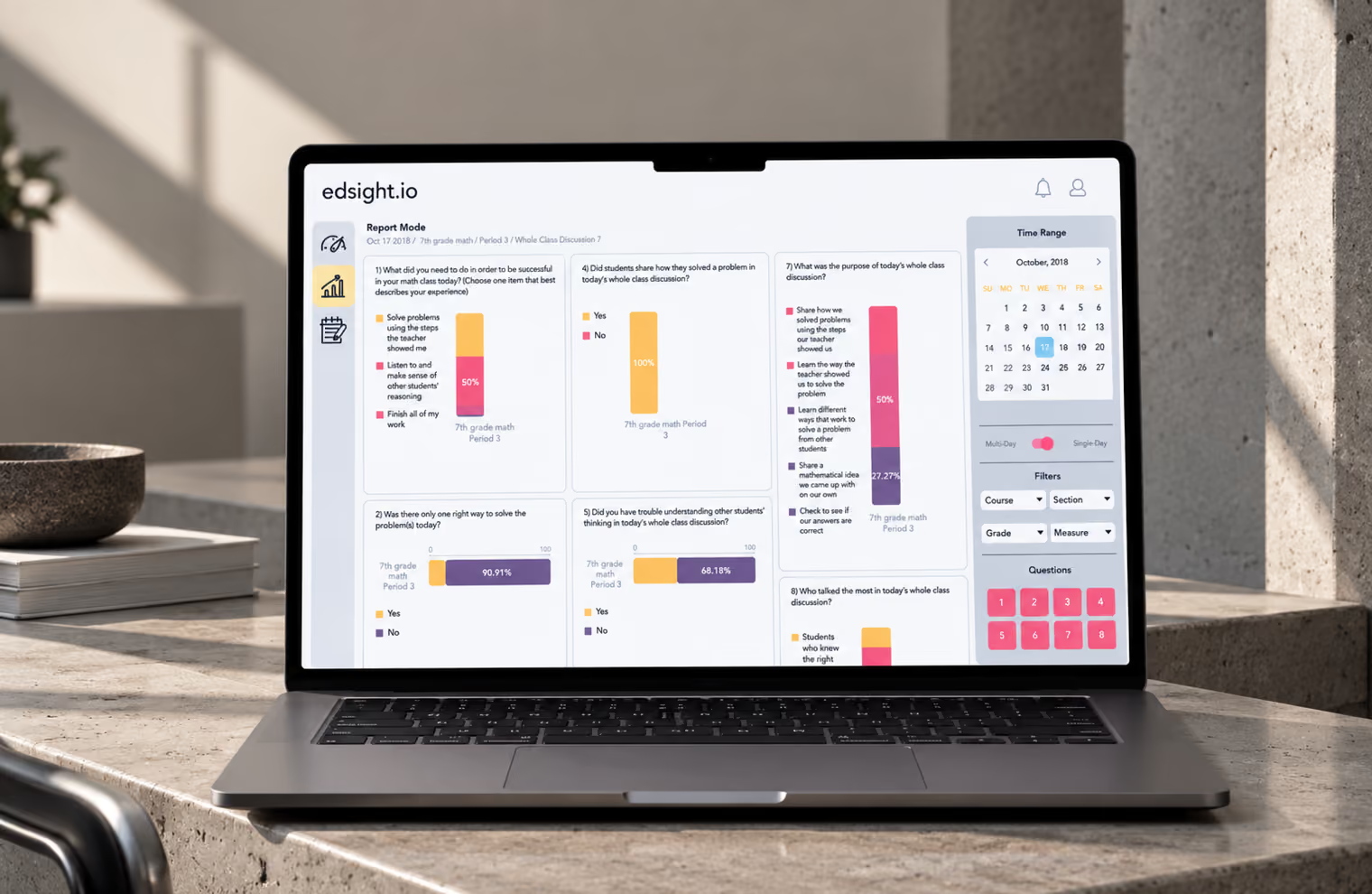
What it does: EdSights uses AI-powered text messages to check on college students’ well-being, finances, and sense of belonging, presenting the insights in a dashboard and flagging those at risk of dropping out so advisors can step in early.
Why it stands out: Its outreach averages 62% engagement and catches warning signs that surveys and LMS data often miss. As retention becomes a financial priority for colleges, EdSights works with more than 300 institutions and has expanded into admissions.
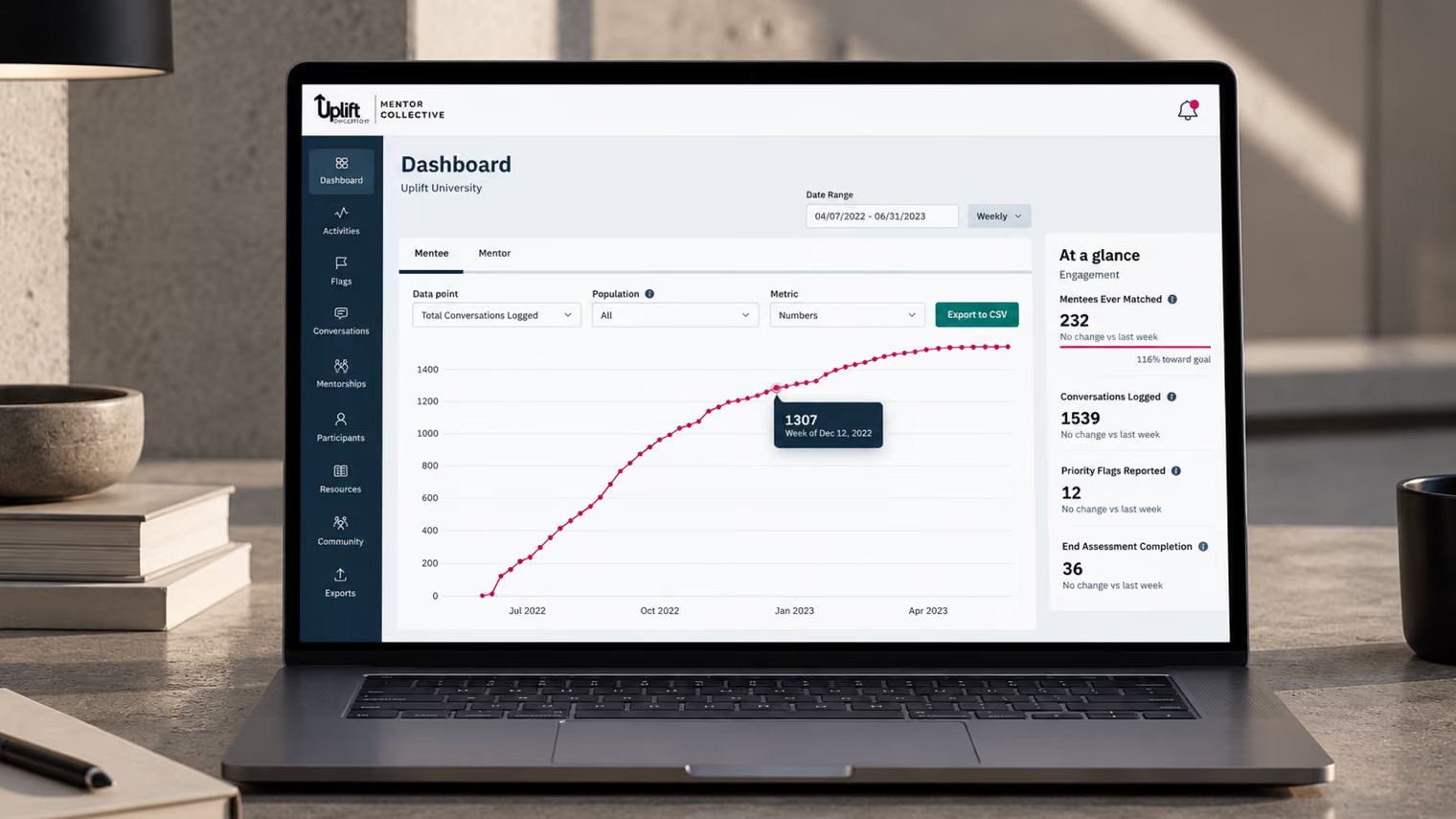
What it does: Mentor Collective runs structured mentoring programs for colleges, matching students with peer, alumni, and industry mentors and running the programs so campus staff doesn’t have to.
Why it stands out: The company has worked with more than 200 colleges and reached over 1 million participants. Its Flash Mentoring program, launched in October 2026, helps colleges show students a clear path from campus to career through short conversations with alumni.
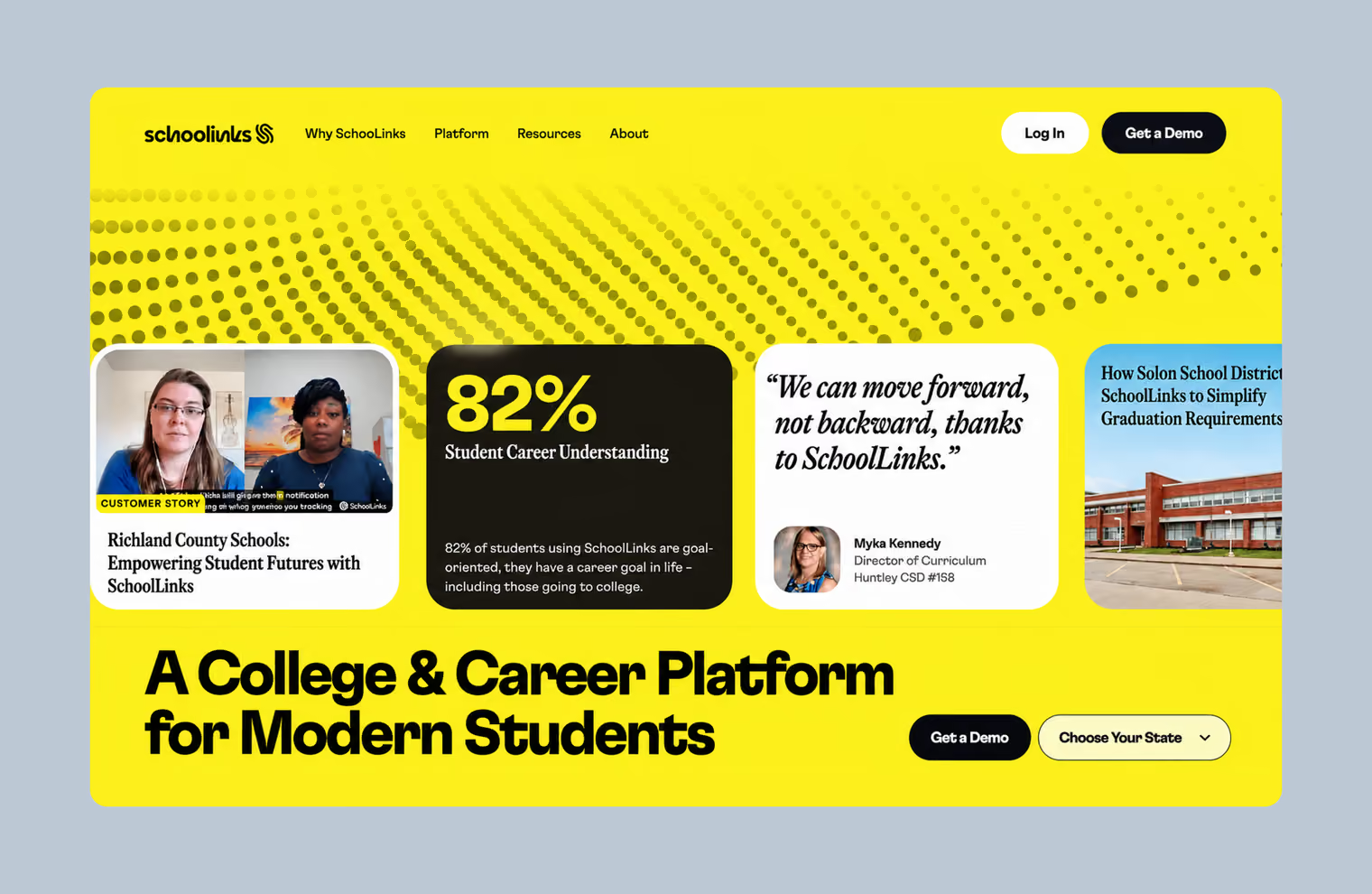
What it does: SchooLinks is a college and career readiness platform for K–12 districts that combines career exploration, course planning, work-based learning, and state reporting in one system.
Why it stands out: Because SchooLinks also handles the compliance reporting states require, it serves as a system of record for districts, not just an app for students.
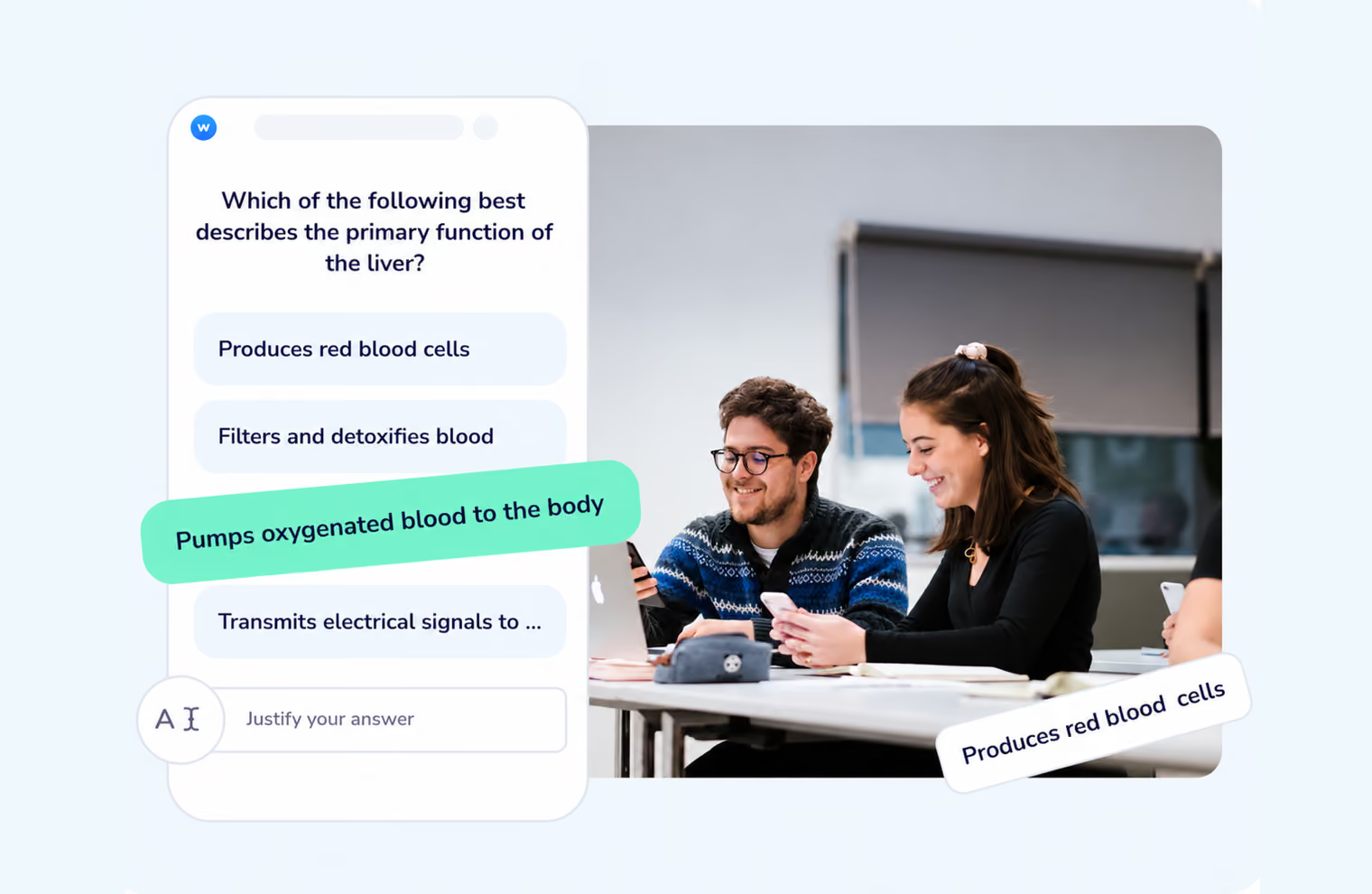
What it does: Wooclap adds polls, quizzes, word clouds, and other interactive activities to lectures and training sessions, working inside LMSs, PowerPoint, and Microsoft Teams. Students answer from their phones while instructors see understanding in real time, and the companion app Wooflash continues learning after class with spaced repetition.
Why it stands out: With more than 50 million learners, Wooclap is expanding its reach through the September 2026 acquisition of UK-based competitor Vevox, bringing together two platforms serving over 1,000 universities and training teams.
What it does: Speak is an AI language-learning app where learners hold spoken conversations with an AI tutor that gives instant feedback, training a skill that’s hard to practice alone.
Why it stands out: It started with English for Korean speakers and now covers several languages, with programs for employers. Speak reportedly passed $100 million in annualized revenue in late 2025.

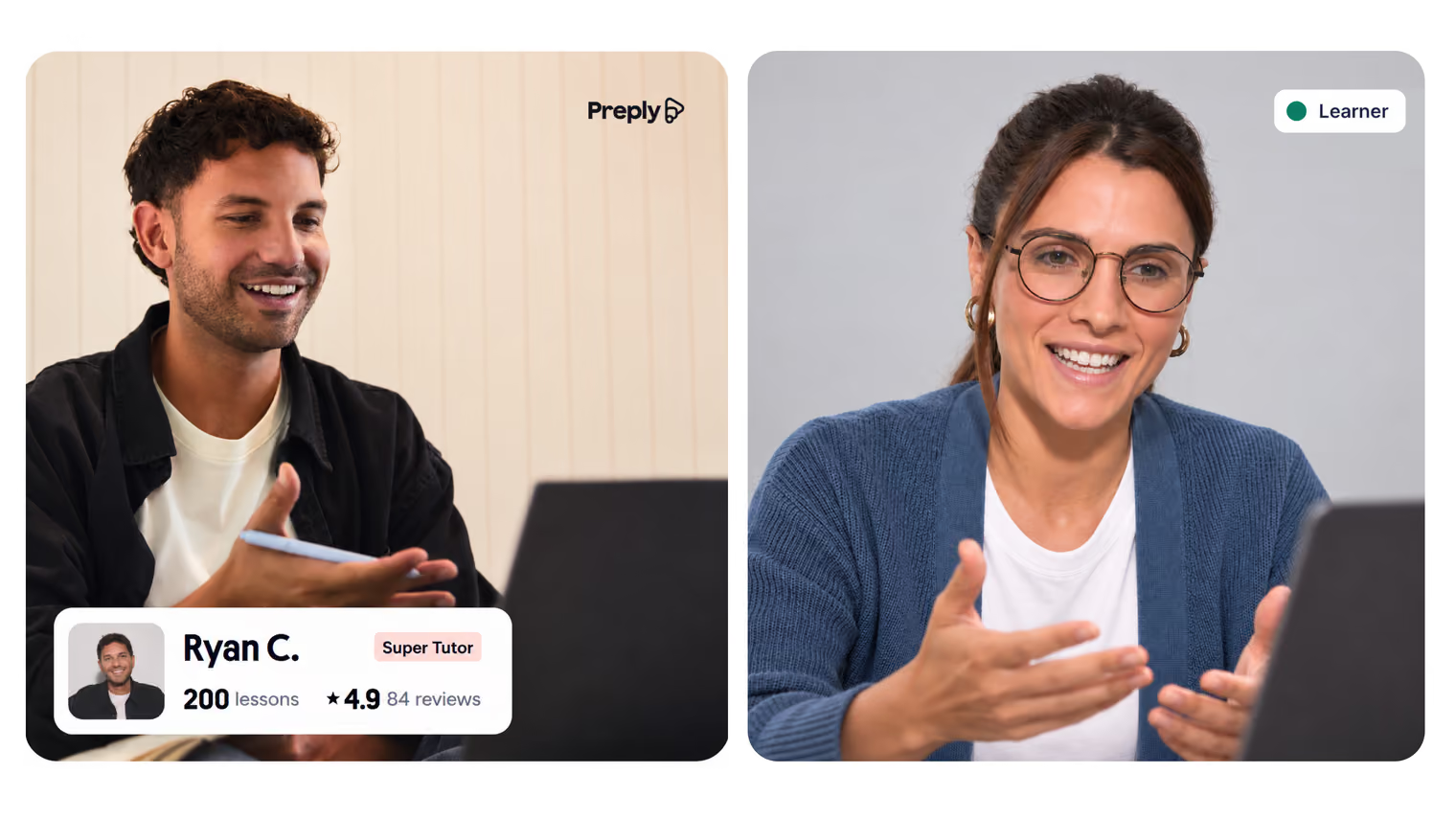
What it does: Preply is an online marketplace that matches learners with human tutors for one-on-one lessons, mostly in languages, and uses AI to extend what tutors can do rather than replace them.
Why it stands out: Preply’s network of 150,000 tutors teaching 90 languages across 180 countries gives it a significant global reach in the online tutoring market.
What it does: BoldVoice is an AI accent and pronunciation coach for non-native English speakers, combining sound-level feedback with video lessons from Hollywood accent coaches.
Why it stands out: BoldVoice targets a skill that shapes how professionals are perceived in interviews and meetings: sounding clear and confident, not just correct. It has passed 5 million downloads and is now building its own speech models.

What it does: Cathoven builds AI tools that help teachers check a text’s CEFR level and adapt or generate materials at the right level, and help learners prepare for IELTS with AI scoring and mock tests. Leveling technology is also available through APIs, so other EdTech companies can build it into their products.
Why it stands out: With more than 1.2 million users and status as an official IELTS registration center for the British Council in the Philippines, it fills a growing need as more learning material is generated by AI.
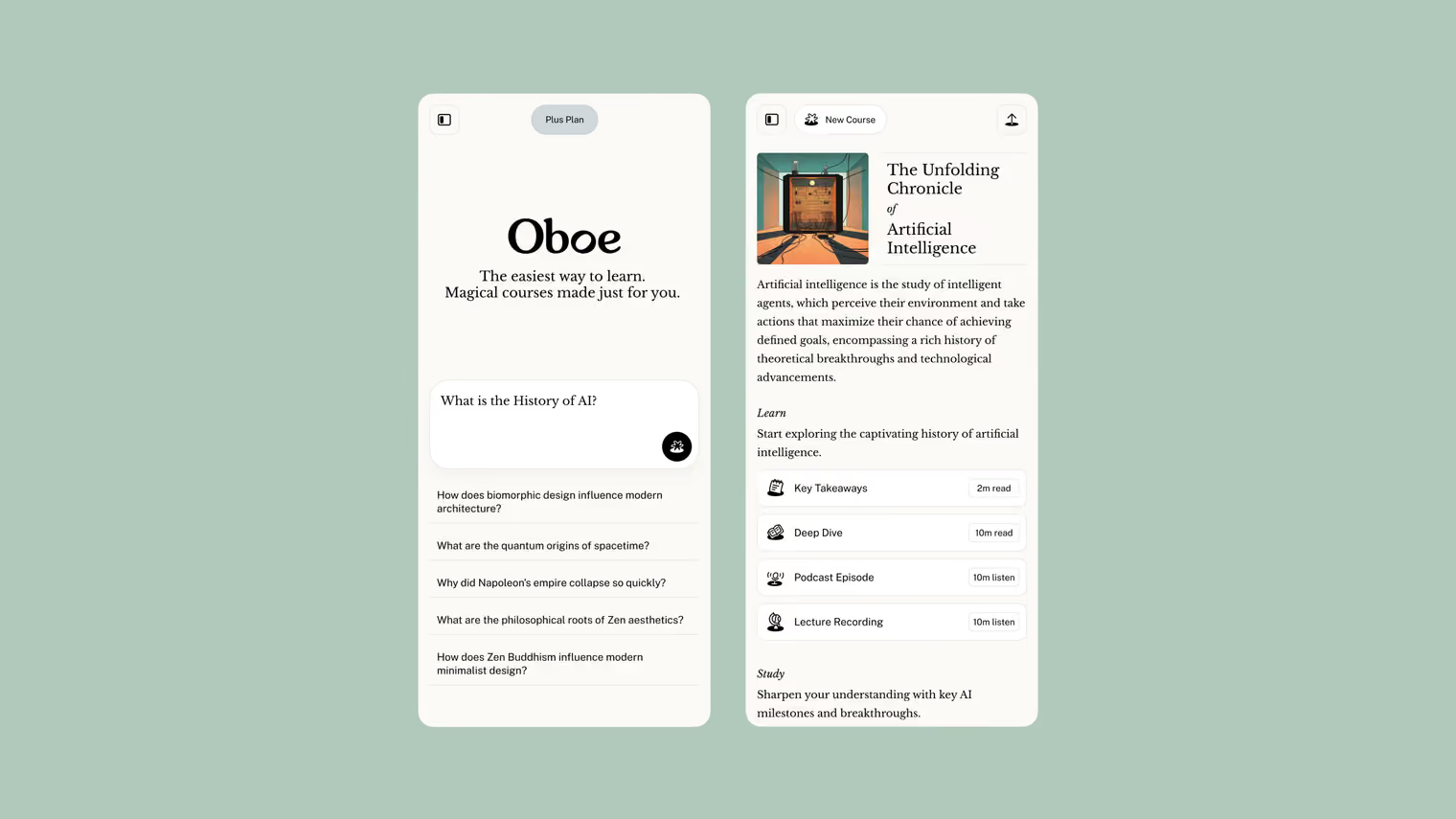
What it does: Oboe is a consumer AI app that turns any learning goal into a full course with text, podcast-style audio, visuals, quizzes, and flashcards.
Why it stands out: Instead of answering one question at a time like a chatbot, it builds a structured course with chapters for learners to follow. It drew strong investor interest within months of its September 2025 launch, with mobile apps and more languages planned.
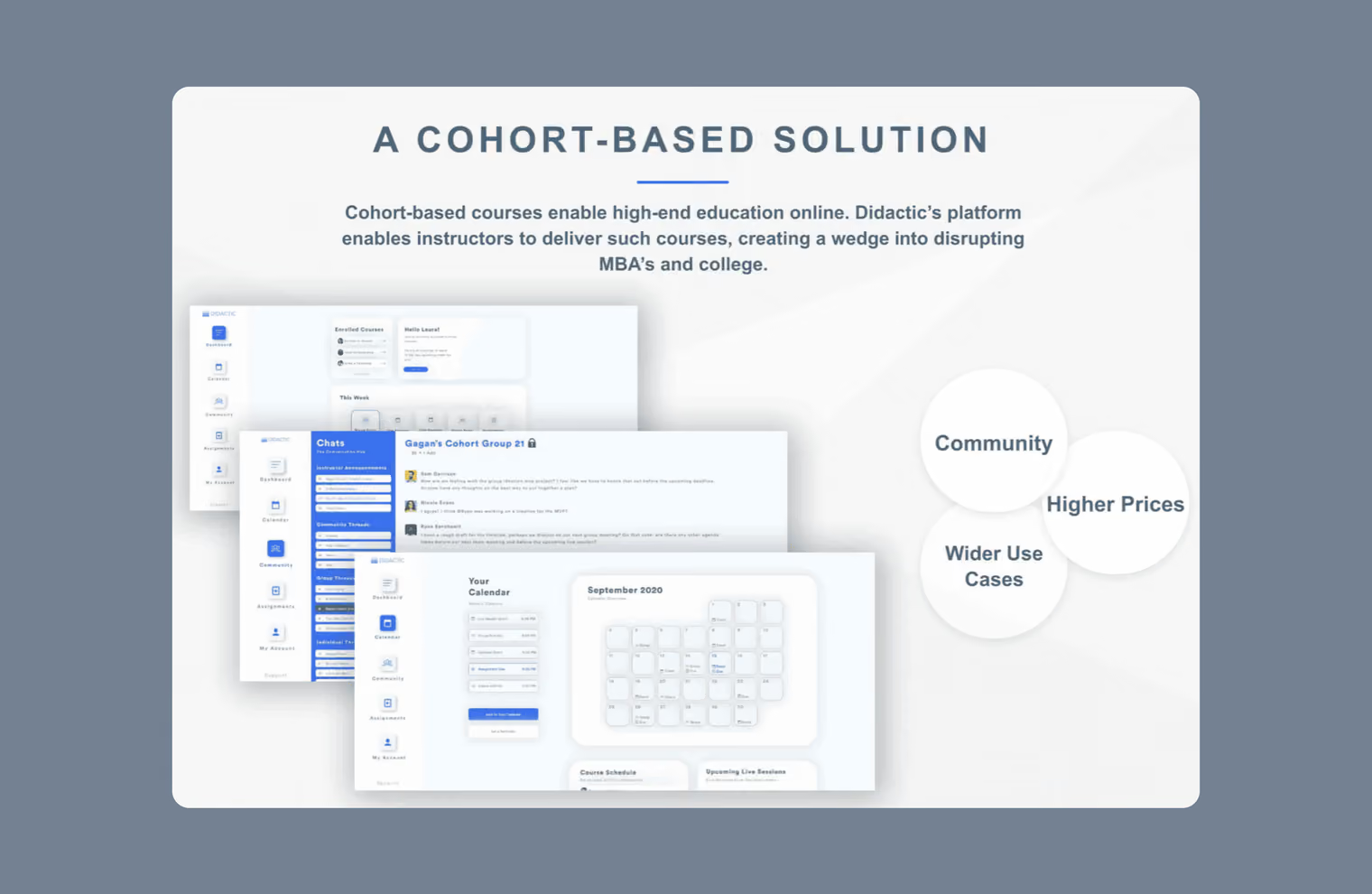
What it does: Maven hosts live, cohort-based courses in AI, product, engineering, and leadership, taught by practitioners rather than professional course creators. Professionals join on their own, and companies increasingly buy courses for their teams.
Why it stands out: As AI reshapes job requirements faster than traditional training can keep up, Maven’s growing catalog of AI courses meets the demand for practical, expert-led learning.
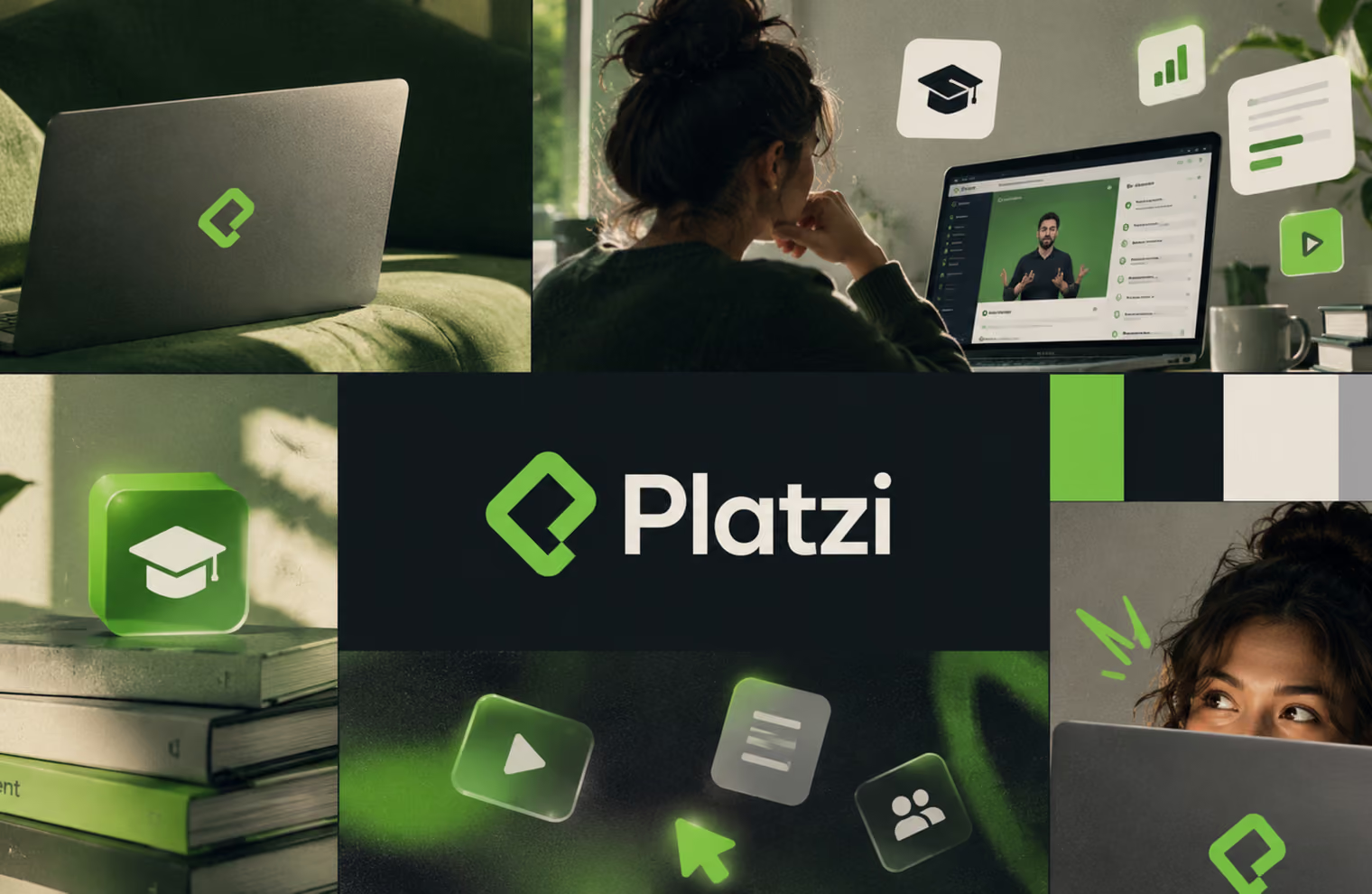
What it does: Platzi is a Spanish-language online tech school for Latin America, teaching programming, data, AI, design, business, and English, with team training through Platzi Business.
Why it stands out: It builds its courses for the Latin American job market and reports more than 7 million students and over 4,000 company clients.
What it does: Seekho is an Indian app that teaches practical skills, from career and government-job prep to personal finance and spoken English, through short videos in local languages.
Why it stands out: Seekho brings social media’s short-video format to learning, with over 10,000 bite-sized lessons in Hindi, Tamil, and Telugu. It reported 25 million monthly users in September 2025.
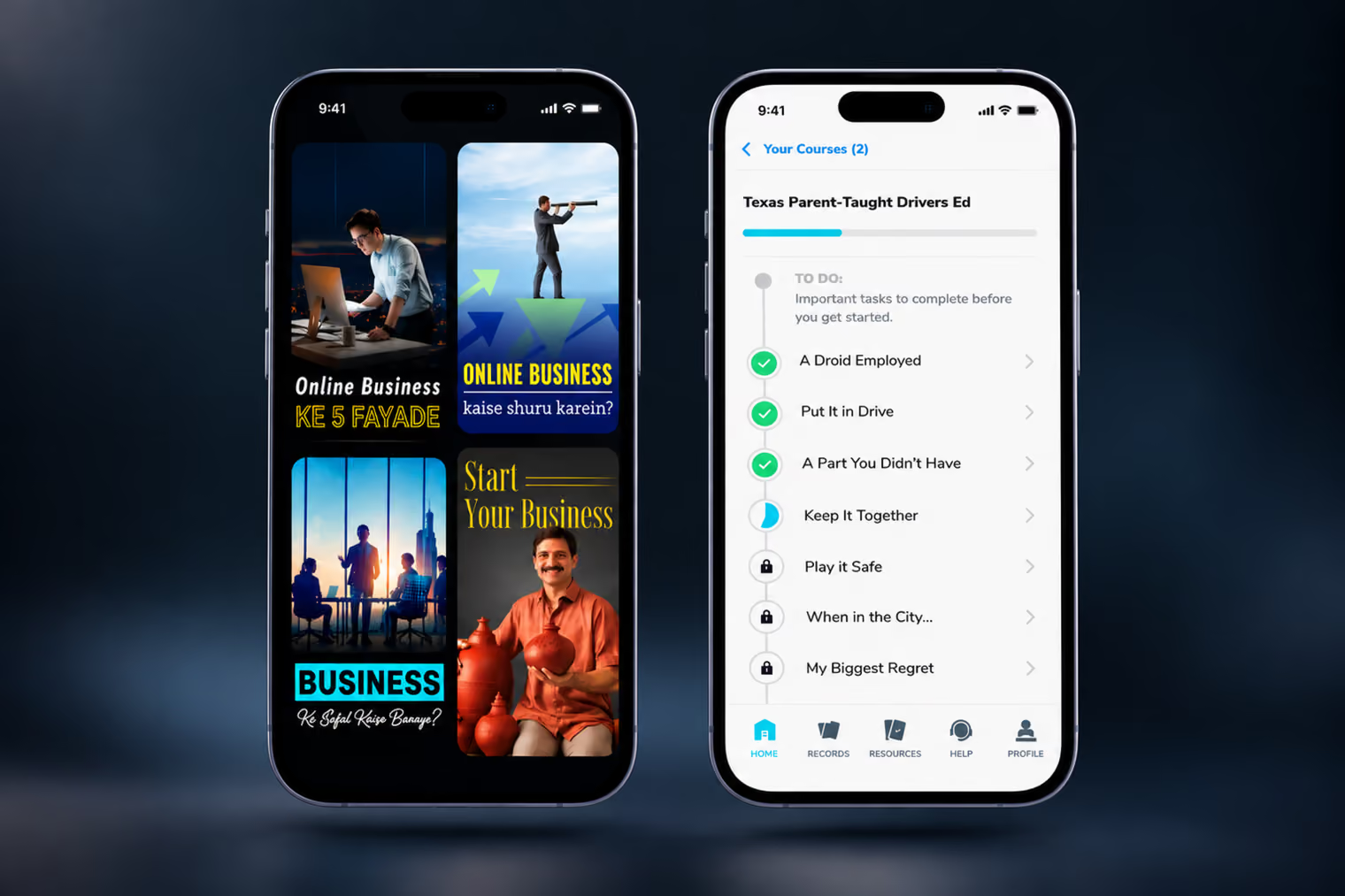
What it does: Aceable offers mobile-first courses for state-required licenses, including driver’s education, real estate, insurance, and mortgage licensing, so people can finish them on their own schedule.
Why it stands out: Aceable has helped more than 20 million students get licensed across its driver education and professional licensing programs, and continues to expand into new license categories.
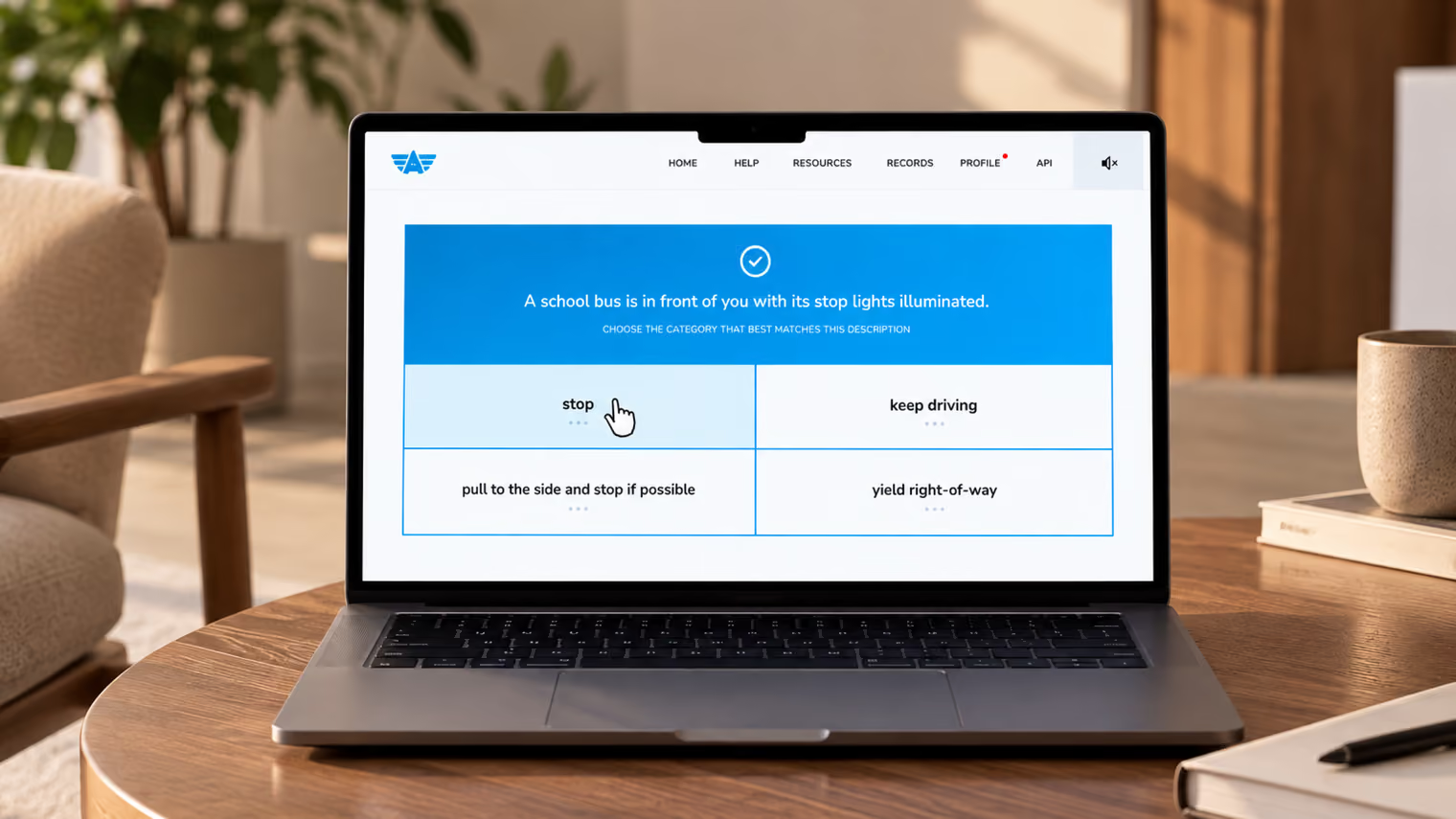
What it does: Multiverse trains employees in AI, data, and tech skills on the job, combining apprenticeships with Atlas, its AI learning coach.
Why it stands out: The company works with more than 1,000 employers and was England’s largest apprenticeship provider by revenue in 2023–24. Following the acquisition of Berlin-based StackFuel, Multiverse is expanding across Europe.

What it does: HowNow is an AI learning platform for companies with about 250 to 5,000 employees that combines courses, internal company knowledge, and skills data in one place. It builds learning around practical skills, recommending what each employee should learn next.
Why it stands out: Rated a Core Challenger on the 2026 Fosway 9-Grid, it gives mid-sized companies enterprise-level upskilling.

What it does: Go1 brings workplace training and compliance content from more than 300 providers into a single subscription that plugs into the LMSs and HR systems companies already use.
Why it stands out: In 2026, Go1 added Morgan, an AI agent that delivers learning inside Slack and Microsoft Teams based on each employee’s role. Go1 serves more than 10,000 organizations and is betting that workplace learning will become part of employees’ daily workflows.

The startups above show where EdTech is heading, but much of the sector’s value still sits with a small group of large, established education technology companies. According to HolonIQ, there were 14 EdTech unicorns worth a combined $34.2 billion as of May 2026.
The table below ranges from public consumer platforms such as Duolingo and PhysicsWallah to the education software companies schools and universities run on, such as PowerSchool and Instructure, each with its latest valuation or market cap and the metric that best shows its traction.
| Company | Segment | Status | Founded | Valuation / Market cap | Key metric |
|---|---|---|---|---|---|
| Duolingo | Language learning app | Public (Nasdaq: DUOL) | 2011 | $6.55B market cap (Oct 2026) | 58.7M daily active users and 12.7M paid subscribers (Q2 2026) |
| PowerSchool | K–12 school management software | Private (taken private by Bain Capital, Oct 2024) | 1997 | $5.6B deal value (Oct 2024) | 60M+ students and 18,000+ customers (Oct 2024) |
| Instructure | Learning management system (Canvas) | Private (taken private by KKR and Dragoneer, Nov 2024) | 2008 | $4.8B deal value (Nov 2024) | ~200M learners in 100+ countries (Nov 2024) |
| PhysicsWallah | Test prep (online and offline) | Public (NSE: PWL, IPO Nov 2025) | 2016 | ~₹40,500 Cr (~$4.3B) market cap (Oct 2026) | 4M+ daily active users and 2.49M paid users (Q1 FY27, Jun 2026) |
| Synthesia | AI video for corporate training | Private unicorn | 2017 | $4B valuation (Jan 2026) | $150M ARR and 60,000 business customers (Jan 2026) |
| Stride | K–12 online schooling and career learning | Public (NYSE: LRN) | 2000 | $3.44B market cap (Oct 2026) | 243.9K average enrollments and $2.52B revenue (FY2026) |
| Eruditus (Emeritus) | Executive education and university partnerships | Private unicorn | 2010 | ~$3B valuation (late 2024) | EBITDA-profitable in FY2024 |
| upGrad | Online higher education and upskilling | Private unicorn | 2015 | ~$1.7B valuation (May 2026, reported) | ₹2,070 Cr gross revenue (FY2026) |
| Coursera | Online degrees, certificates, and enterprise skills | Public (NYSE: COUR), merged with Udemy in May 2026 | 2012 | $1.31B market cap (Oct 2026) | 300M+ registered learners and 12,107 enterprise customers (Q2 2026) |
Taken together, the figures show EdTech scale is built on recurring revenue and institutional embeddedness, not audience size alone. For investors and decision-makers, the clearest signals are paying users, profitability, and products that schools, universities, and employers cannot easily replace, which are what separate durable businesses from fast-growing ones.
Reach can be bought, but habit has to be earned, and habit is what the sector’s largest companies are valued on.
A closer look at the companies reveals several broader trends shaping the EdTech landscape. Generally, these fall into six key areas of development:
For teams investing in eLearning app development, LMS development, or education-specific web design for startups, these trends point toward building solutions that combine specialized AI, human guidance, measurable learning outcomes, and integration with existing tools.
{{banner-3}}
The list is an editorial selection, not a ranking, aiming to highlight the companies shaping the next phase of EdTech. To keep it credible, we ensured that it included only companies that met four key criteria:
Within those limits, we aimed for broad coverage across EdTech segments and geographic markets, including startups focused on classroom AI, language learning, workforce training, and higher education across different regions. Because the selection is editorial, it reflects our judgment and does not claim to cover every notable company in the sector.
At Halo Lab, we’ve designed and built products for education companies at different stages, from tutoring marketplaces to learning platforms. Our EdTech website design services help businesses present their products effectively to a wider audience. Explore three examples of how we help EdTech businesses build stronger brands and better user experiences.
HeyTutor is an online tutoring platform that connects students, tutors, and learning centers with smart matching based on each learner’s needs. Serving primarily students and working professionals with busy schedules, the platform brings together 50,000 students and 20,000 tutors.
Our team refreshed the brand and redesigned the website, building the new look on a soft pastel palette, hand-drawn accents, and a clearer visual hierarchy. This gave HeyTutor a more intuitive browsing experience and a stronger brand presence in the competitive online education market.

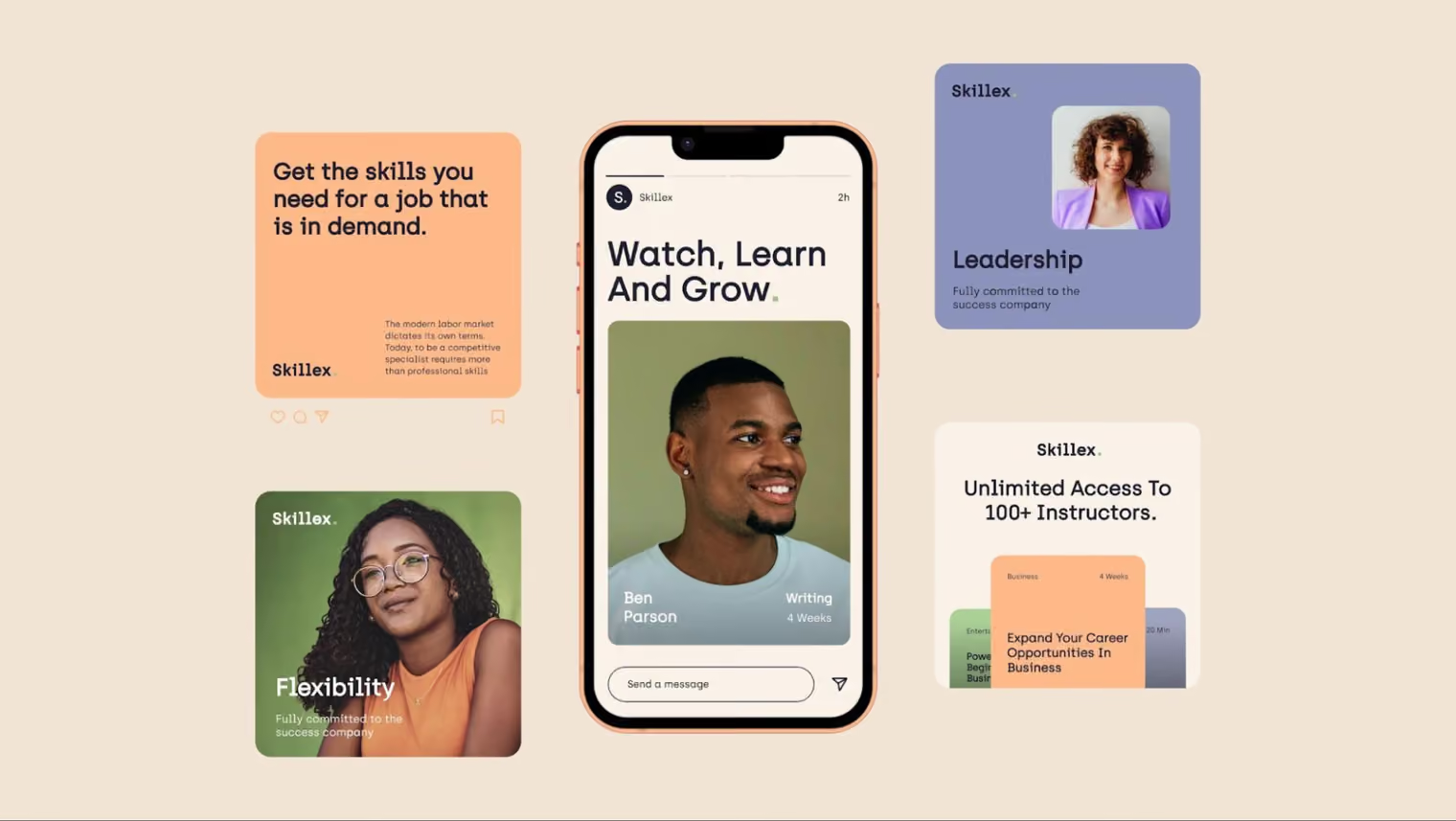
Skillex is a learning platform where designers, developers, photographers, writers, and marketers learn practical skills from experts in their fields. Over the course of our work, we developed Skillex’s brand identity and website design. Using rounded shapes, clear typography, and soft pastel colors, we helped create an approachable environment for learners and teachers alike that feels engaging without distracting from the learning experience.
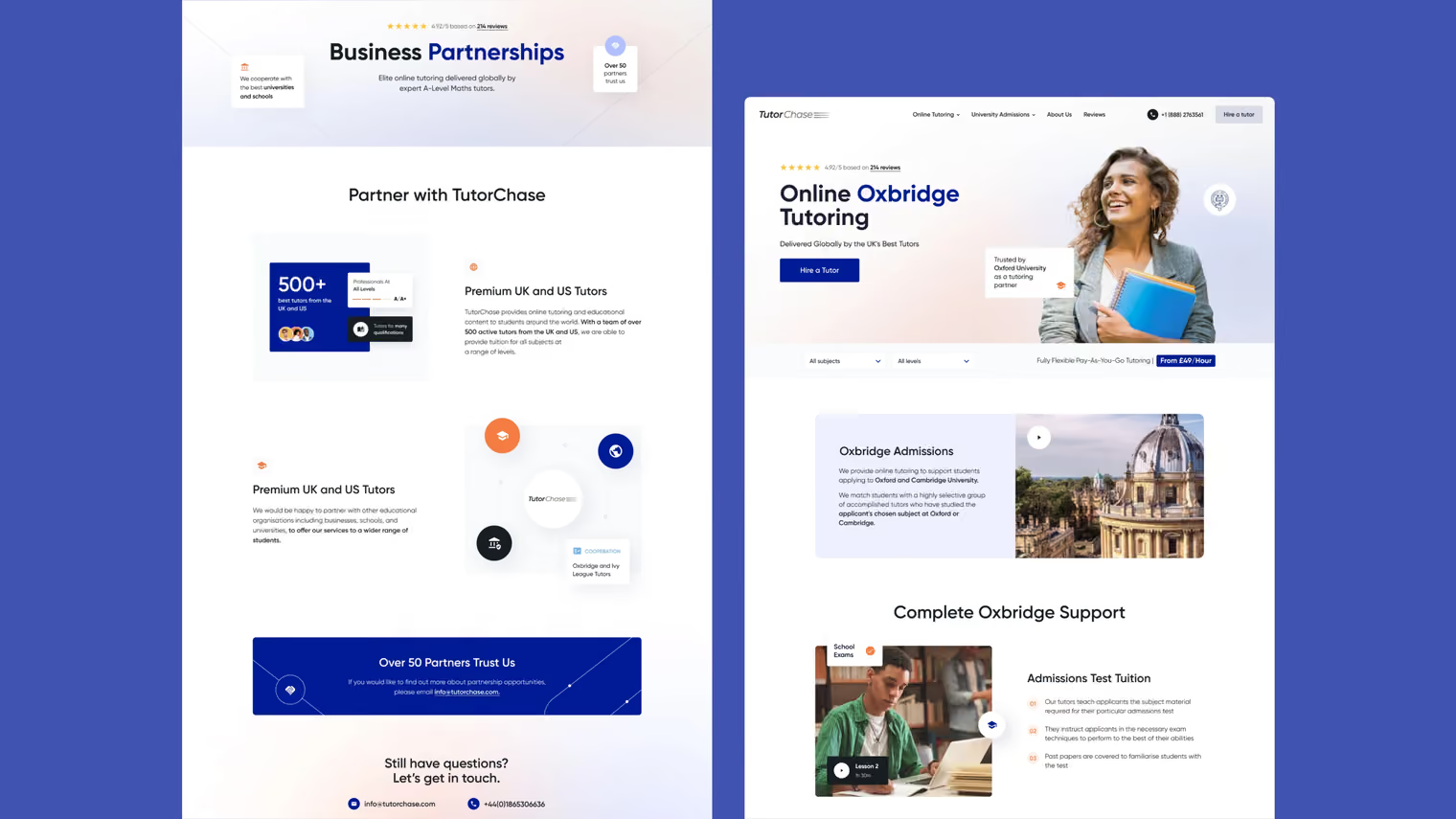
TutorChase is a UK tutoring company that prepares students for GCSE, A-Level, IB, AP, and SAT exams, as well as applications to top universities. We handled website design, development, the MVP launch, and ongoing support. To help students and parents navigate tutoring options with confidence, our team designed a trust-focused interface with prominent calls to action and built the site on Next.js and Sanity CMS. The final product gave TutorChase a clear digital presence and a flexible foundation to scale its services and expand its reach.
Modern education technology startups share a clear pattern in building tools that fit into how education already works instead of replacing it. That choice reflects a lesson the sector learned the hard way: schools and employers rarely adopt technology that asks them to rebuild their routines. At the same time, they readily embrace technology that removes friction from processes they already trust.
{{banner-4}}
An EdTech startup is a young company that uses technology to improve how people teach, learn, or train. Its products range from classroom tools and tutoring apps to corporate learning platforms.
The notable EdTech startups include MagicSchool, SchoolAI, Nectir, Ello, and Eedi, which are gaining attention for specialized AI, personalized learning, and tools that support teachers and students. Other notable companies include Preply, Go1, and Wooclap, which are reshaping tutoring, workplace learning, and classroom engagement.
It depends on the measure. By market capitalization, Pearson, New Oriental, and Duolingo rank among the largest publicly traded education-services companies, although their exact valuations vary by date and source. By revenue, Stride reported $2.52 billion in FY2026, ahead of the combined Coursera–Udemy business, which generated more than $1.5 billion in 2025 revenue.
An EdTech unicorn is a privately held education technology company valued at over $1 billion, based on a venture funding round. Once a company goes public or is acquired, it no longer counts as a unicorn.
Some companies are, though not all. Duolingo reported net income of $33.2 million in Q2 2026 and a 25.9% adjusted EBITDA margin, although both are down from a year earlier because it is investing in user growth. Most early-stage startups still depend on venture funding.
EdTech is crowded but fragmented, with thousands of regional platforms and niche providers competing for users. Funding is also tighter: HolonIQ reports around $1 billion in EdTech venture capital for H1 2026, with Asia and MENA showing more resilience. Generic products struggle to stand out, while specialized solutions that address clear learning needs and institutional demand have better chances of success.