




Industrial web design starts with the spec sheet. An engineer evaluating a supplier wants tolerances, materials, certifications, and lead times — and will leave for a competitor who publishes them rather than sit through a form that promises a callback within two days.
Halo Lab designs manufacturing and industrial sites for that reader: capability and capacity stated plainly, product data structured and downloadable, certifications visible, RFQ flows that capture the real requirement, and a CMS your engineering team keeps accurate without a developer in the loop.


Your company has grown, but the brand no longer reflects scale or direction.
Your company has grown, but the brand no longer reflects scale or direction.
Your company has grown, but the brand no longer reflects scale or direction.
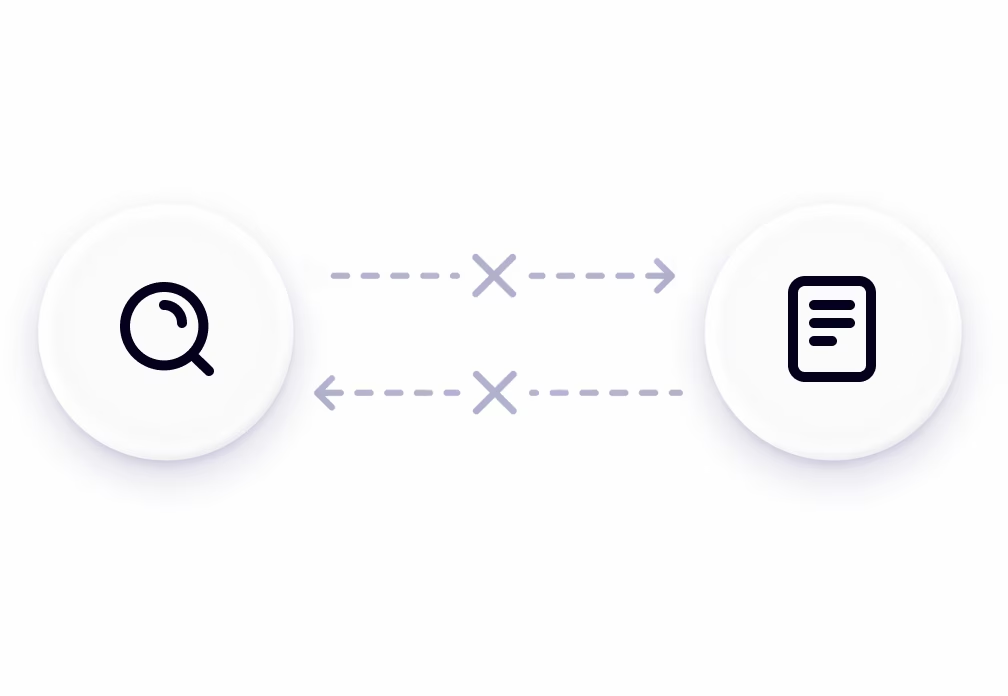
Processes and tolerances described in adjectives instead of numbers and ranges.
Datasheets sit in PDFs nobody can search, filter, or compare against.
Quote forms ask for contact details before asking about the part itself.

“All projects in which we’ve involved Halo Lab have been great successes, but their leadership on our brand refresh is worth highlighting.”

“We’ve had feedback from users, investors, and employees, and everyone has said that Halo Lab did a fantastic job with the branding.”

“We’re proud of their branding services. They not only do what we tell them but also make suggestions to help us improve our offerings.”

What we deliver
Processes, tolerances, volumes, and lead times stated in numbers an engineer trusts.
Datasheets, CAD files, and dimensions structured to be searched and compared.
ISO, IATF, and industry approvals placed where a procurement audit looks first.
Requests that capture part, material, and quantity before contact details.
Connected systems, sensors, and platform capability explained without jargon.
Real parts, real runs, and real outcomes structured as verifiable engineering proof.
Core Web Vitals optimised and part-level SEO structured — engineers find you first.
Reusable component library delivered — your team ships new pages without a redesign.


How we work

Start with a strategy call where we align on your goals, challenges, and priorities, and set a clear direction for the entire branding process.
3–4 Days
Research & analysis
We map processes, product lines, and buyer roles, then set what the site has to specify before an engineer will send a request.
We define capability, product, certification, and RFQ structure before design begins, with spec data modelled properly.
We design capability, product, spec, and quote screens in Figma — technical data made scannable, mobile layouts first.

We build and test — spec filtering, RFQ logic, Core Web Vitals, accessibility, cross-browser, and CMS setup all completed before launch.

We launch, configure analytics and RFQ routing, and hand off a CMS your engineering team keeps current.
Start with a strategy call where we align on your goals, challenges, and priorities, and set a clear direction for the entire branding process.
3–4 Days
Research & analysis
Industries we serve

Web design for hospitals, clinics, and health systems.
Web design for banks, insurance firms, and financial platforms.

Web design for logistics, transport, and supply chain companies.

Web design for property developers, agents, and management firms.

Web design for schools, universities, and e-learning platforms.

Web design for Web3 startups and blockchain-based products.

Web design for wellness brands, gyms, and fitness studios.
Web design for tech companies, software products, and platforms.

120+ experts and 500+ projects provide insights into solutions that fit the market.

Projects start with research, positioning, and clear goals for data-driven decisions.
No templates or generic patterns — only custom design shaped for your objectives.
We turn complex ideas into clear, scalable designs for SaaS, B2B, and tech companies.

Structured communication and transparent workflows keep you aligned at every step.

Clear pricing and adaptable scopes help you stay on budget and ensure top quality.
“Halo Lab is very organized in planning to achieve the goals within the set deadlines. We feel they were part of our internal team project.”

“Their experts have a very diverse range of skills and always find a solution to exposed issues. The communication process was clear.”

“During the collaboration, Halo Lab prioritized our people, always taking into account our input and ideas and giving all team members a voice.”

“The Halo Lab team unified branding across our patients’ app, showcasing professionalism, convenience, and consistency.”

“Halo recreated our existing portal with a modern and beautiful experience, greatly increasing usability and delight for the end user.”

“Halo Lab is brilliant. We were impressed with their timely delivery, cost-effectiveness, and the people who knew what they were doing!”

“The value we get from Halo Lab and their quality designs sets them apart from others. They are the right mix of price, talent, and style.”

“We gave the Halo Lab team a chance, and we immediately knew they were the ones we wanted to work with.”

“The Halo Lab work pleasantly surprised us, and bringing in their professional design team has been a worthy investment for us.”

“When collaborating with Halo Lab, we felt that communication was straightforward and that the deliverables fit what we expected.”

“Halo Lab has helped us with a rebrand and defined a new name, logo, and color palette. We’ve had a great experience working with them.”


13 years
We’ve built one of the most trusted agencies
150+
Specialists in design, engineering & product management
78%
Returning clients in Europe & North America
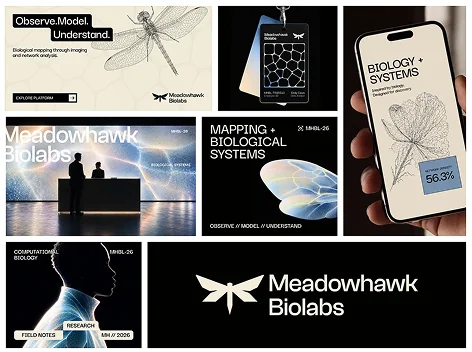
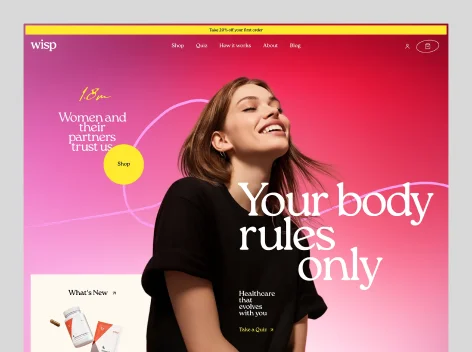
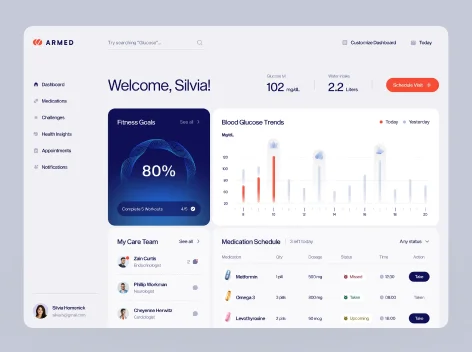
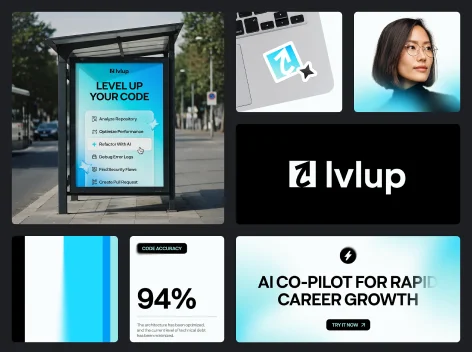
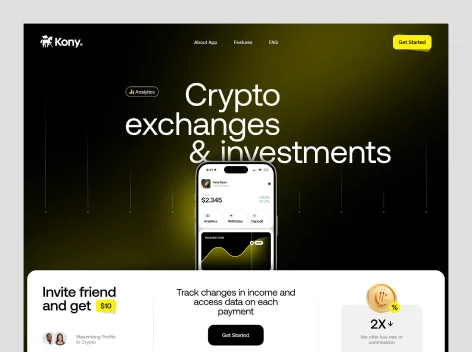
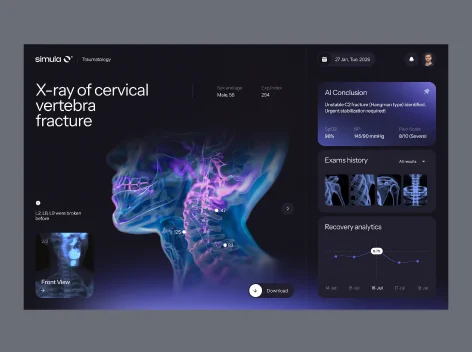
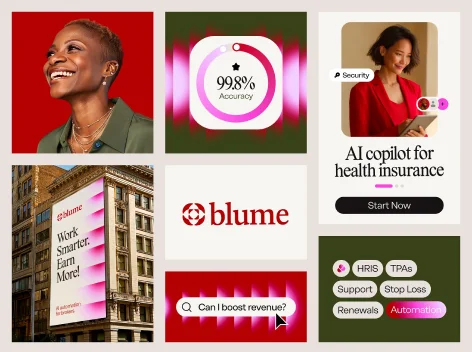

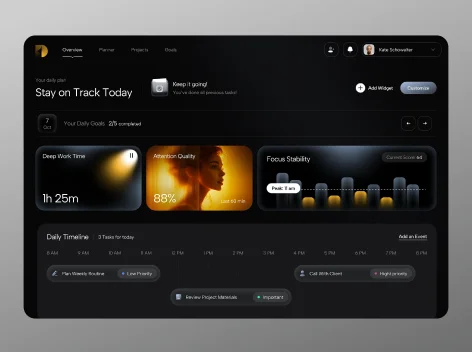
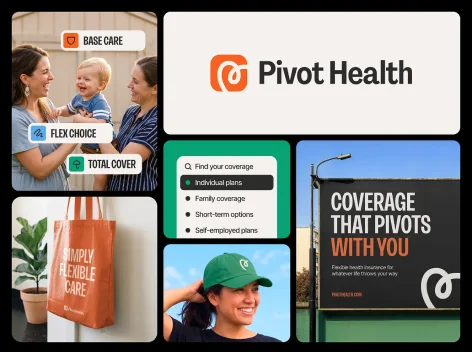

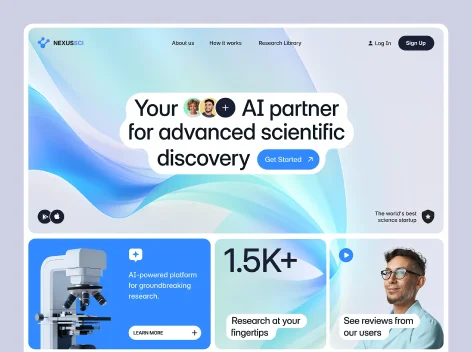
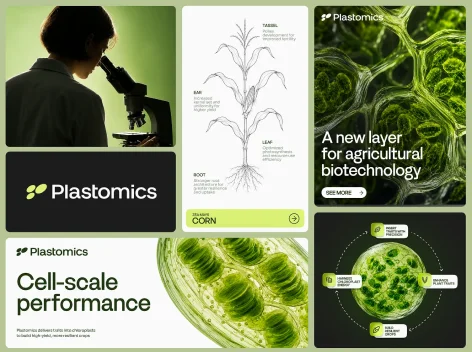
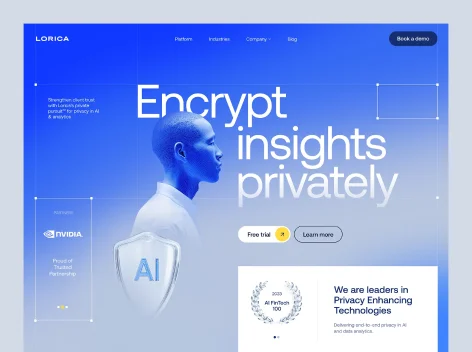

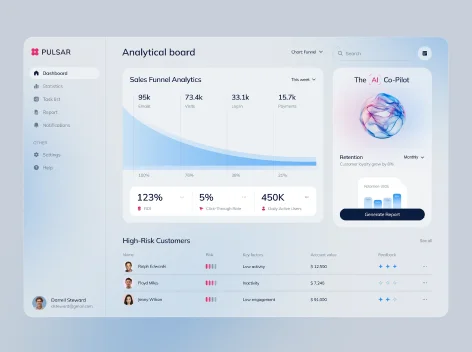
Capability and capacity page design, product and spec libraries, certification and compliance pages, RFQ and quoting flows, Industry 4.0 and IoT pages, application case studies, mobile-first layouts, Core Web Vitals optimisation, SEO structure, and a CMS handoff.
By publishing numbers. Tolerances, materials, capacities, and lead times stated on the page let an engineer qualify you in minutes, which is the only thing standing before an RFQ.
Almost never. Gating datasheets removes you from the shortlist before the evaluation starts. Capture intent in the RFQ instead, where the buyer already wants to give you details.
As data rather than documents. Dimensions, materials, and performance figures become filterable fields, so a buyer can compare parts without downloading twelve PDFs first.
Most manufacturing website projects run 8 to 14 weeks from discovery to launch, depending on product catalogue size, spec data readiness, and internal review cycles.
Yes. Connected systems, sensor data, and platform capability are explained in terms of what they change on the floor, rather than in the vocabulary of a technology brochure.
Both, and the structure differs. A manufacturer sells capacity and needs specs and certifications; an industrial software product sells a workflow and needs integration and deployment evidence.
We can. Capability copy, spec structure, and application case study formats are available as part of the engagement, drafted with your engineers and reviewed before publication.
Yes. Design and development are delivered by one team — Webflow or custom front-end, CMS setup, RFQ and ERP integrations, accessibility work, and QA before launch.