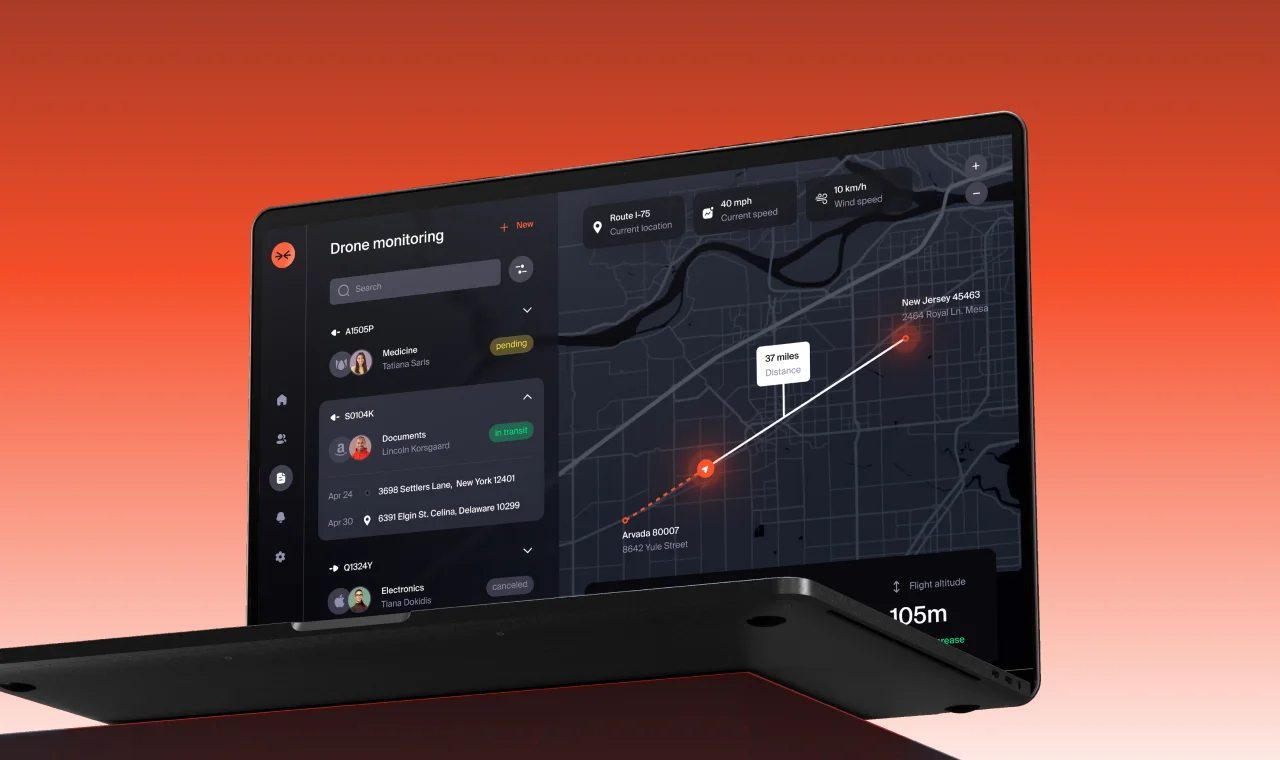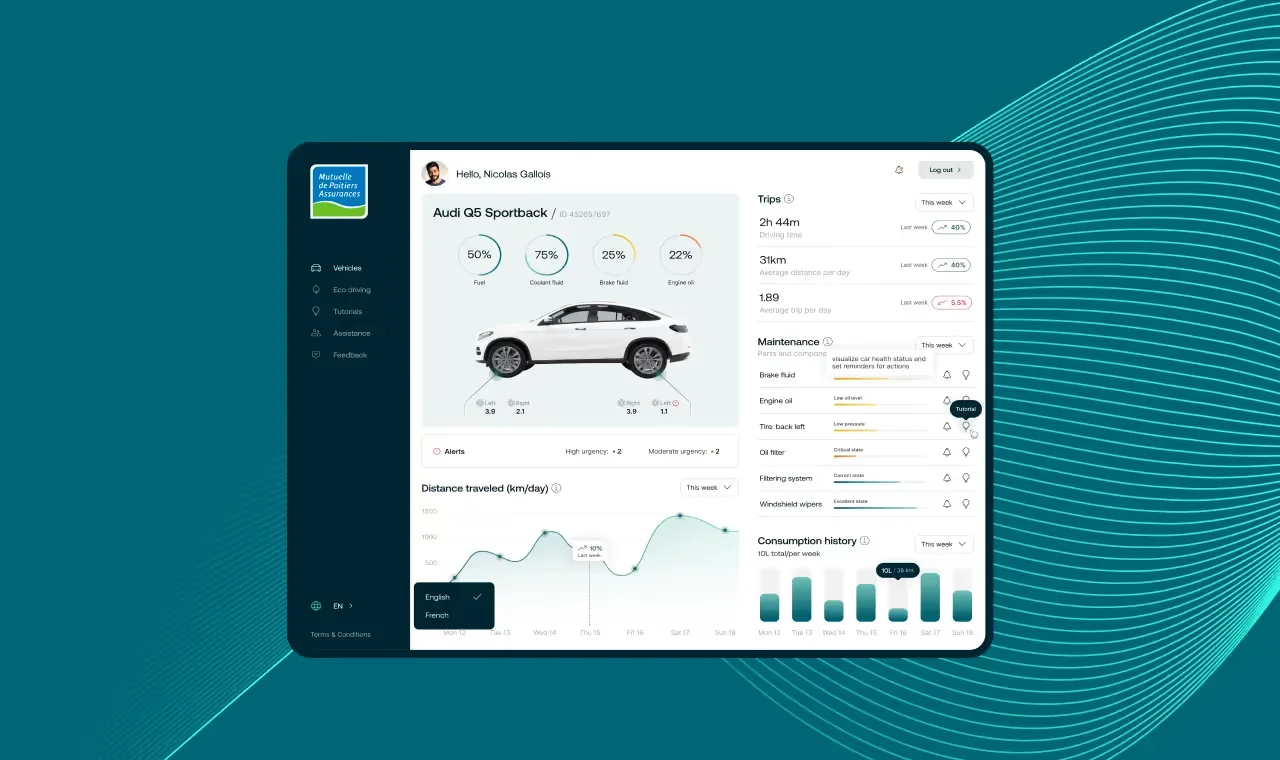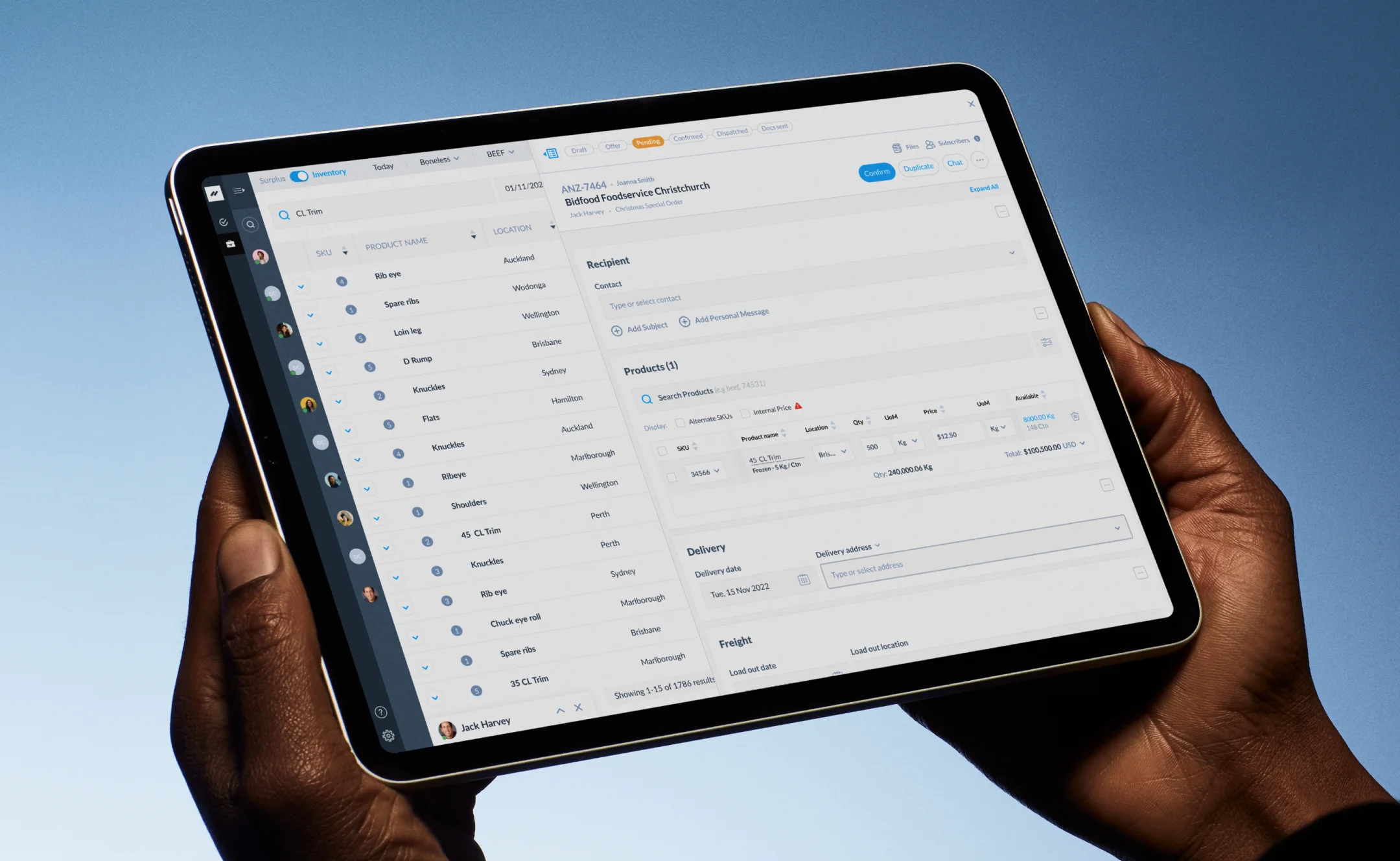





A logistics app is used in a cab, a yard, or a warehouse aisle — one hand, bright sun, gloves on, and a signal that drops between docks. Every design decision either survives those conditions or quietly adds seconds to a job repeated hundreds of times a day.
So we design for the shift rather than the dashboard: the next stop legible at a glance, proof of delivery captured in a few taps, scanning that works first time, and an offline state that keeps the job moving until the connection returns.


Your company has grown, but the brand no longer reflects scale or direction.
Your company has grown, but the brand no longer reflects scale or direction.
Your company has grown, but the brand no longer reflects scale or direction.
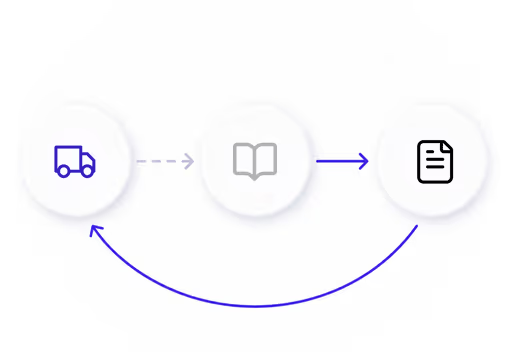
The app slows the run, so paper and phone calls come back within a week.
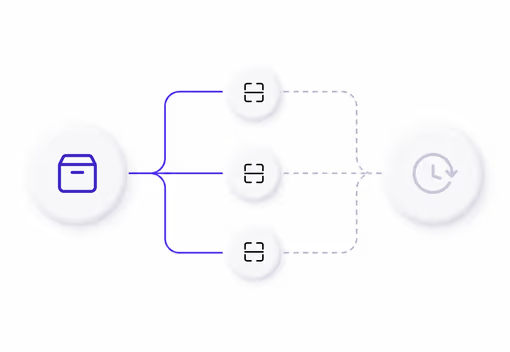
Every scan needs a retry, and minutes are lost at each stop of the route.
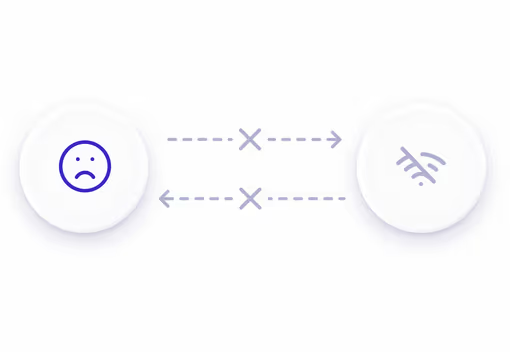
The app stops working between docks and the day's data is lost with it.

“All projects in which we’ve involved Halo Lab have been great successes, but their leadership on our brand refresh is worth highlighting.”

“We’ve had feedback from users, investors, and employees, and everyone has said that Halo Lab did a fantastic job with the branding.”

“We’re proud of their branding services. They not only do what we tell them but also make suggestions to help us improve our offerings.”

What we deliver
The next stop, the route, and the exception surfaced first — readable in one glance.
Scanning designed to work first time, with gloves on and in bad warehouse light.
Signature, photo, and notes captured in a few taps, without leaving the stop screen.
Every screen designed for a lost signal, so the shift continues and data syncs later.
Delays, damage, and failed deliveries reported in the moment they happen, not after.
Live status designed for the person waiting, with updates worth the interruption.
Picking, put-away, and stock counts done on a handheld without a desktop fallback.
Reusable component library delivered, so your team ships new screens without a full redesign.


How we work

Start with a strategy call where we align on your goals, challenges, and priorities, and set a clear direction for the entire branding process.
3–4 Days
Research & analysis

We map who opens the app — driver, dispatcher, or warehouse operator — the job done in a cab or an aisle, and what a full shift demands.
We define navigation, route and scan flows, and screen structure before design begins, with every stop measured in taps and seconds.
We design route, scan, delivery, and dispatch screens in Figma — real load data, gloved one-handed use first.

We build clickable prototypes and test them with real drivers and operators, fixing the flows that break before anything is engineered.
We deliver a component library and engineering handoff — states, tokens, and platform specs your developers build from directly.
Start with a strategy call where we align on your goals, challenges, and priorities, and set a clear direction for the entire branding process.
3–4 Days
Research & analysis
Industries we serve

Mobile app design for hospitals, clinics, and health systems.
Mobile app design for banks, insurance firms, and financial platforms.
Mobile app design for logistics, transport, and supply chain companies.
Mobile app design for property developers and management firms.

Mobile app design for schools, universities, and e-learning platforms.

Mobile app design for Web3 startups and blockchain-based products.
Mobile app design for wellness brands, gyms, and fitness studios.
Mobile app design for tech companies, software products, and platforms.

120+ experts and 500+ projects provide insights into solutions that fit the market.

Projects start with research, positioning, and clear goals for data-driven decisions.
No templates or generic patterns — only custom design shaped for your objectives.
We turn complex ideas into clear, scalable designs for SaaS, B2B, and tech companies.

Structured communication and transparent workflows keep you aligned at every step.

Clear pricing and adaptable scopes help you stay on budget and ensure top quality.
“Halo Lab is very organized in planning to achieve the goals within the set deadlines. We feel they were part of our internal team project.”

“Their experts have a very diverse range of skills and always find a solution to exposed issues. The communication process was clear.”

“During the collaboration, Halo Lab prioritized our people, always taking into account our input and ideas and giving all team members a voice.”

“The Halo Lab team unified branding across our patients’ app, showcasing professionalism, convenience, and consistency.”

“Halo recreated our existing portal with a modern and beautiful experience, greatly increasing usability and delight for the end user.”

“Halo Lab is brilliant. We were impressed with their timely delivery, cost-effectiveness, and the people who knew what they were doing!”

“The value we get from Halo Lab and their quality designs sets them apart from others. They are the right mix of price, talent, and style.”

“We gave the Halo Lab team a chance, and we immediately knew they were the ones we wanted to work with.”

“The Halo Lab work pleasantly surprised us, and bringing in their professional design team has been a worthy investment for us.”

“When collaborating with Halo Lab, we felt that communication was straightforward and that the deliverables fit what we expected.”

“Halo Lab has helped us with a rebrand and defined a new name, logo, and color palette. We’ve had a great experience working with them.”


12 years
We’ve built one of the most trusted agencies
150+
Specialists in design, engineering & product management
78%
Returning clients in Europe & North America
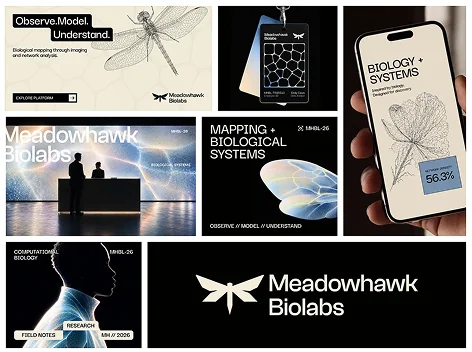
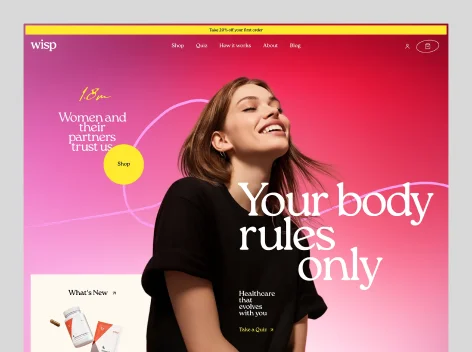
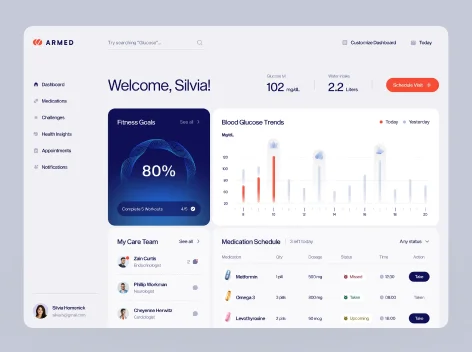
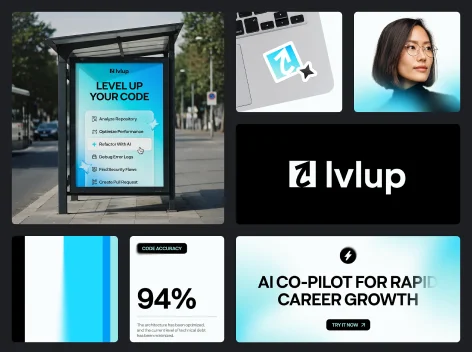
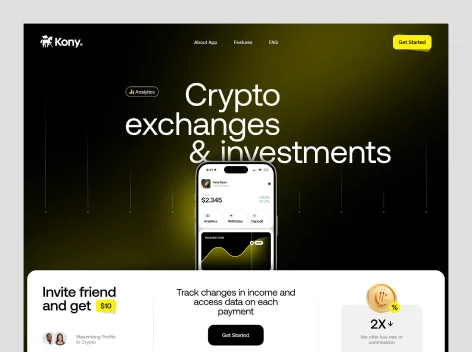
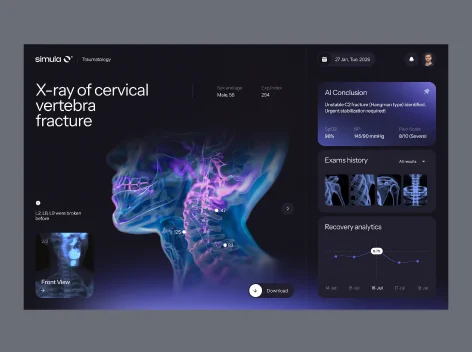
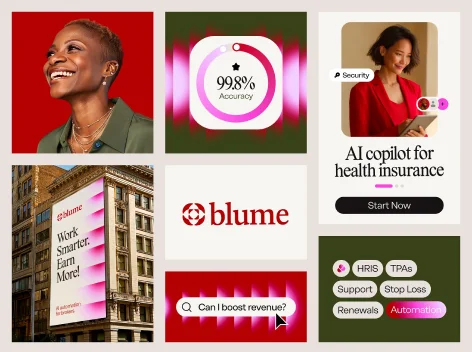
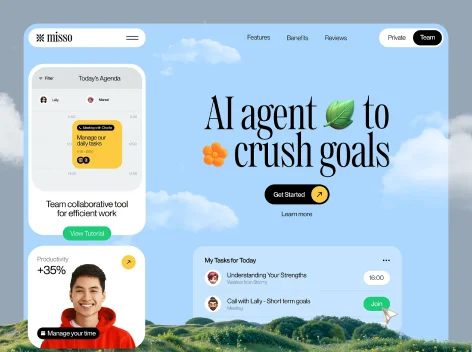
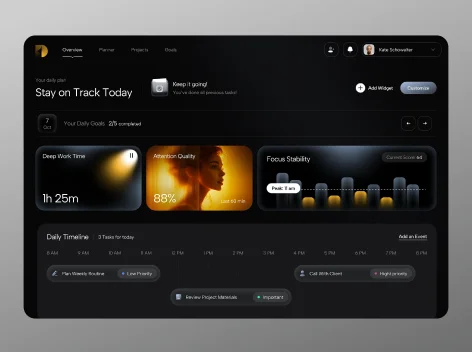
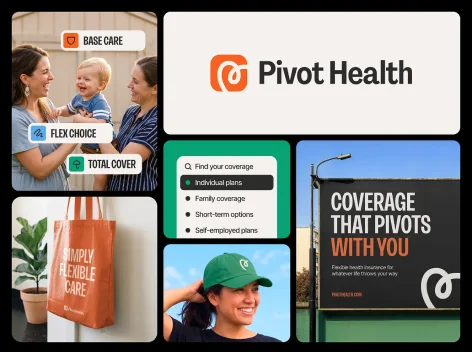
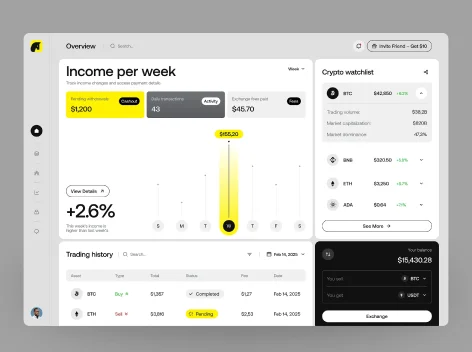
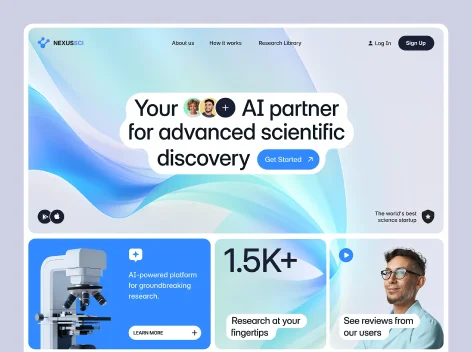

Driver and route screens, scanning and barcode flows, proof of delivery, offline and sync states, dispatch and exception reporting, tracking and notifications, warehouse and inventory screens, usability testing, and a design system with engineering handoff.
For one hand, in sunlight, at speed. Large targets, high contrast, the next action always in the same place, and no screen that requires reading a paragraph before a decision can be made.
Offline is designed as a normal state, not an error. The driver keeps working, actions queue locally, and the interface says clearly what has synced and what has not — so nobody repeats a scan or a delivery.
Yes. Rugged handhelds have different screen sizes, hardware buttons, and scan triggers. We design for the device your crews actually carry rather than assuming a consumer phone.
Most logistics mobile app design projects run 8 to 14 weeks from discovery to handoff, depending on the number of roles covered, hardware constraints, and internal review cycles.
We design one product with platform-correct patterns. Navigation, gestures, and system components follow each platform's conventions rather than forcing a single layout onto both.
Yes, and for logistics we test in context wherever possible — in a cab or on a warehouse floor, not in a meeting room. A flow that works at a desk often fails at a loading dock.
Yes. We extend an existing library where one exists and build a mobile layer on top of it, rather than introducing a second, competing set of components.
Yes. Design and development are delivered by one team — iOS, Android, or cross-platform build, API integration, accessibility work, and QA before release.