




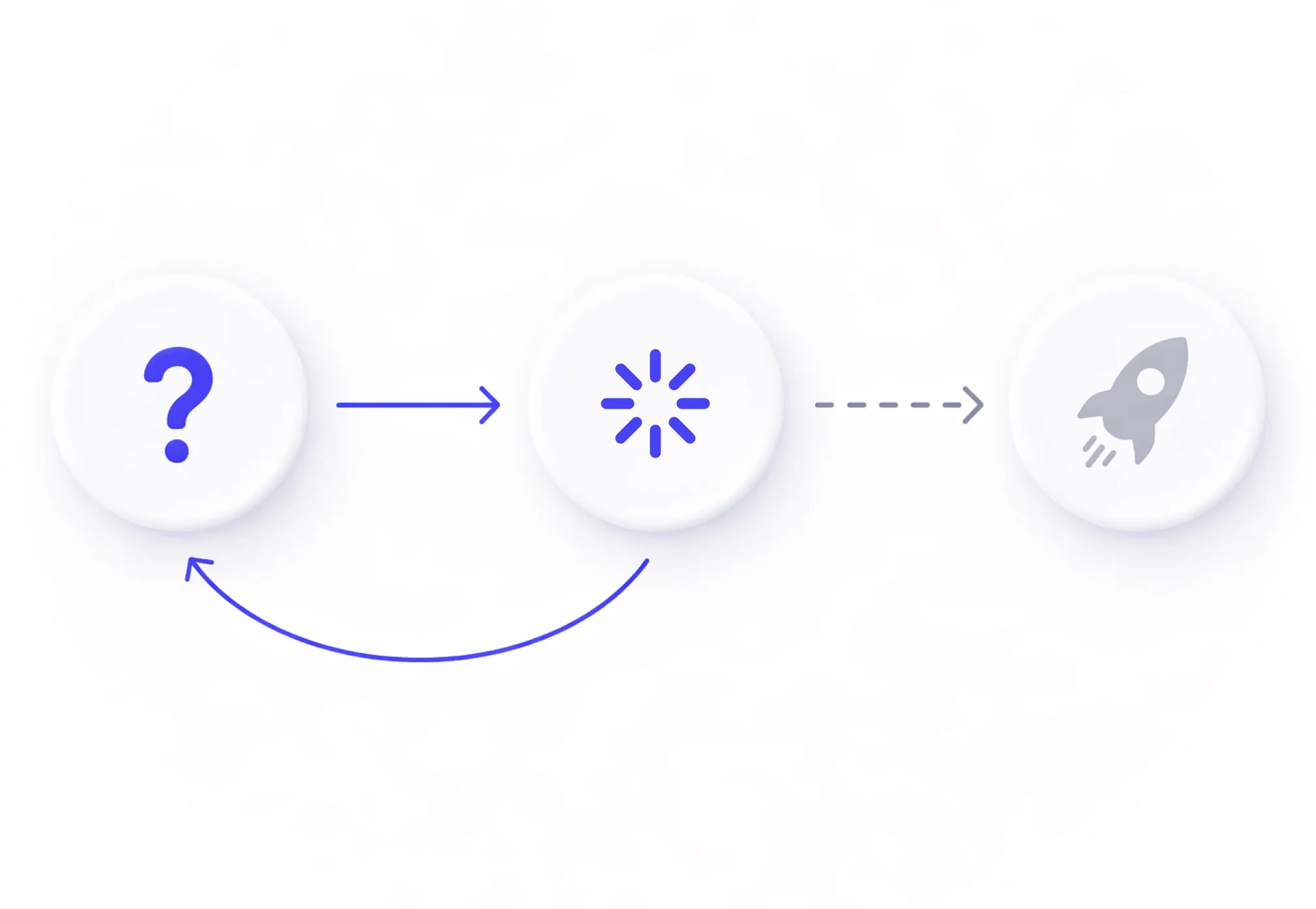
Contract gaps surface during integration, so frontend and mobile rebuild.
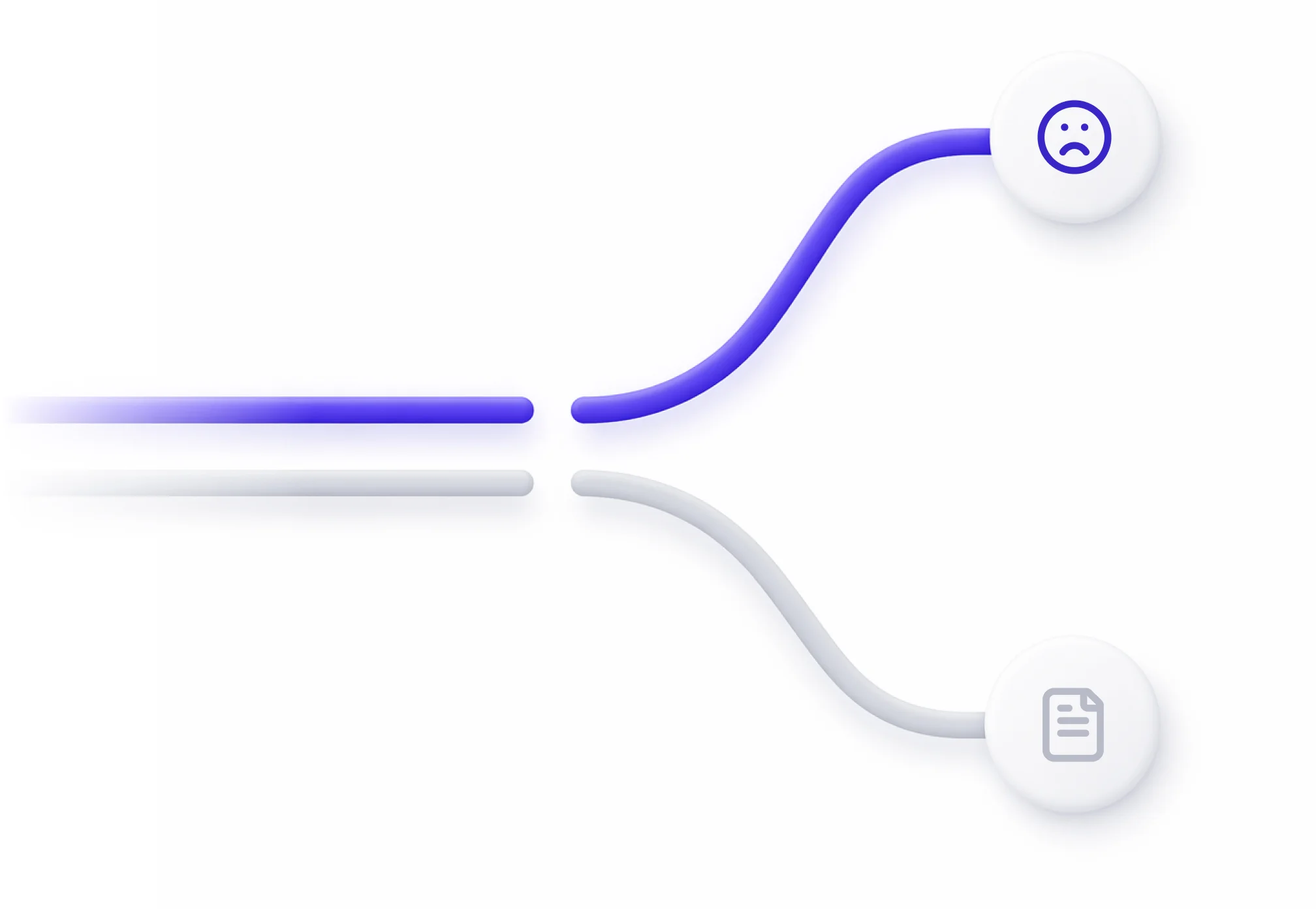
With no API docs, every consumer has to reverse-engineer how it behaves.
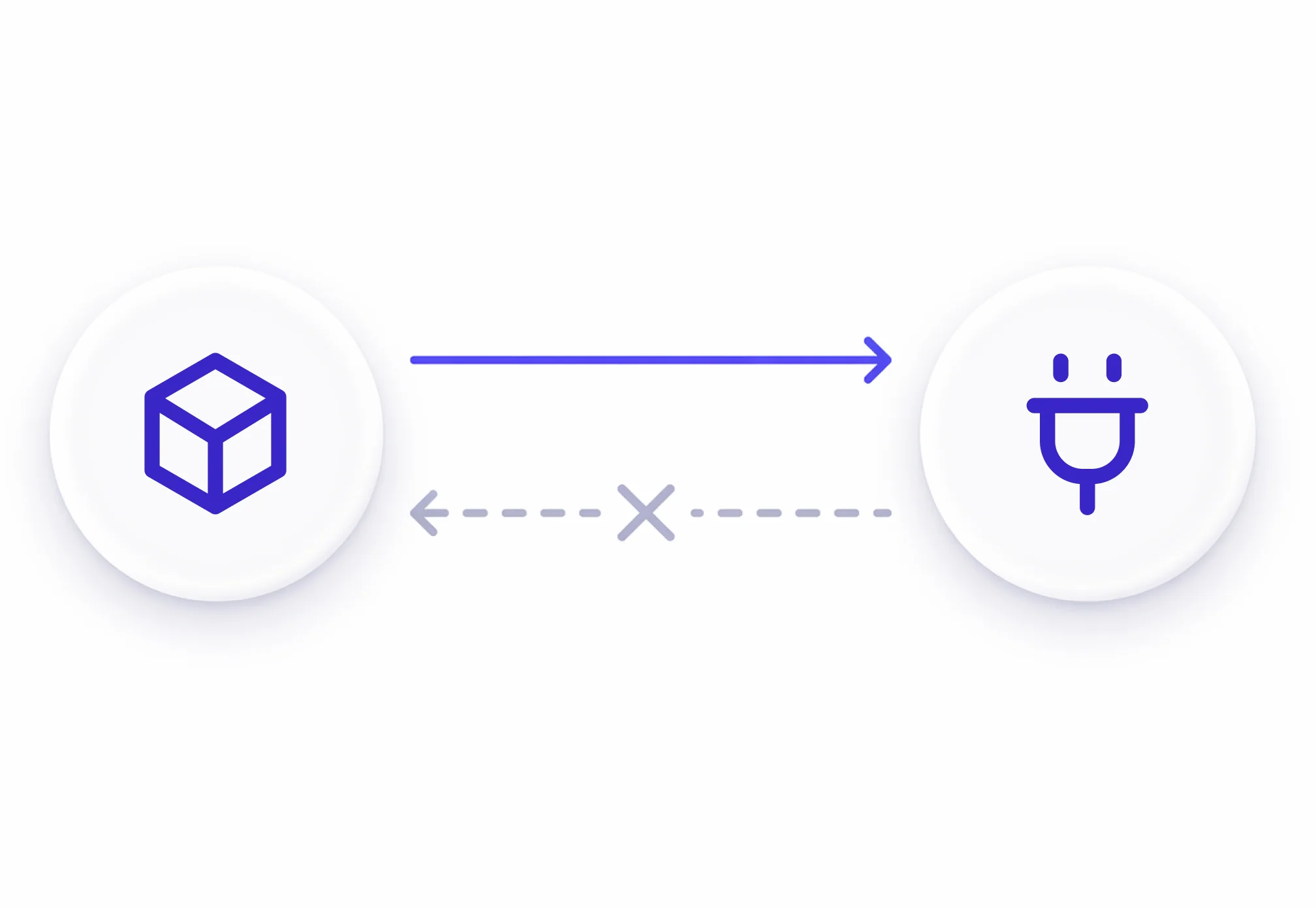
Breaking changes go out without notice, and integrations fail across the board.
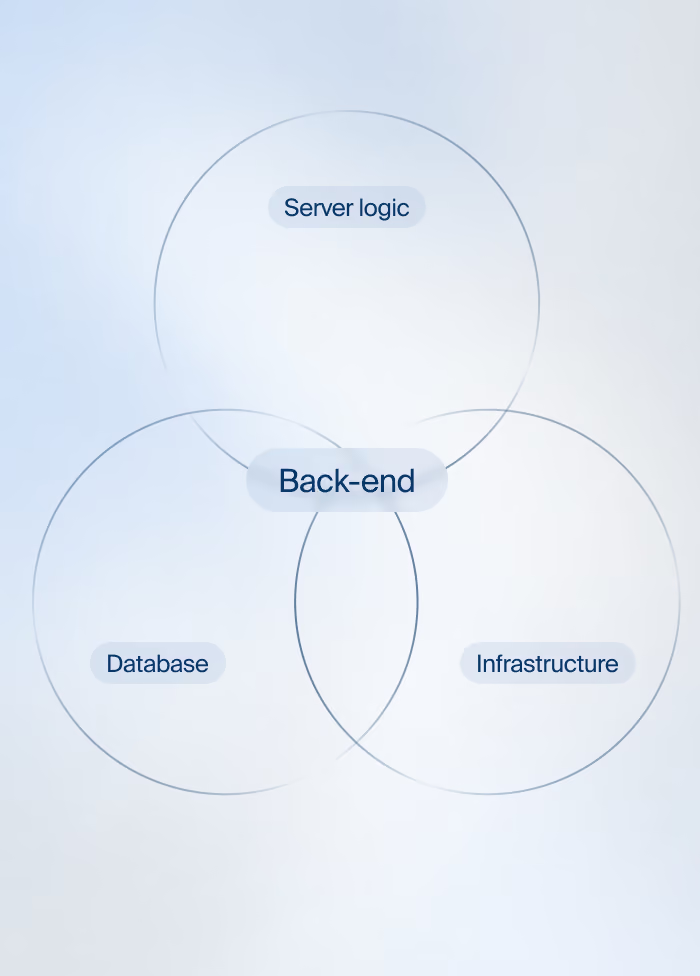
Develop the server logic and back-end services your API needs to stay reliable as usage grows.
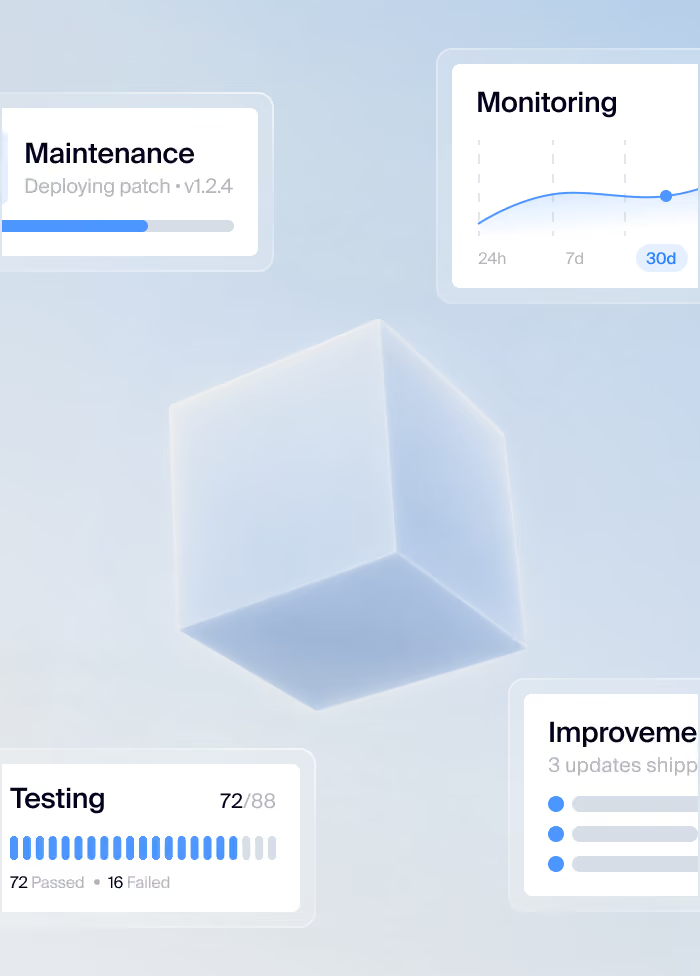
Test authentication, authorization, rate limiting, and data exposure across your API endpoints.
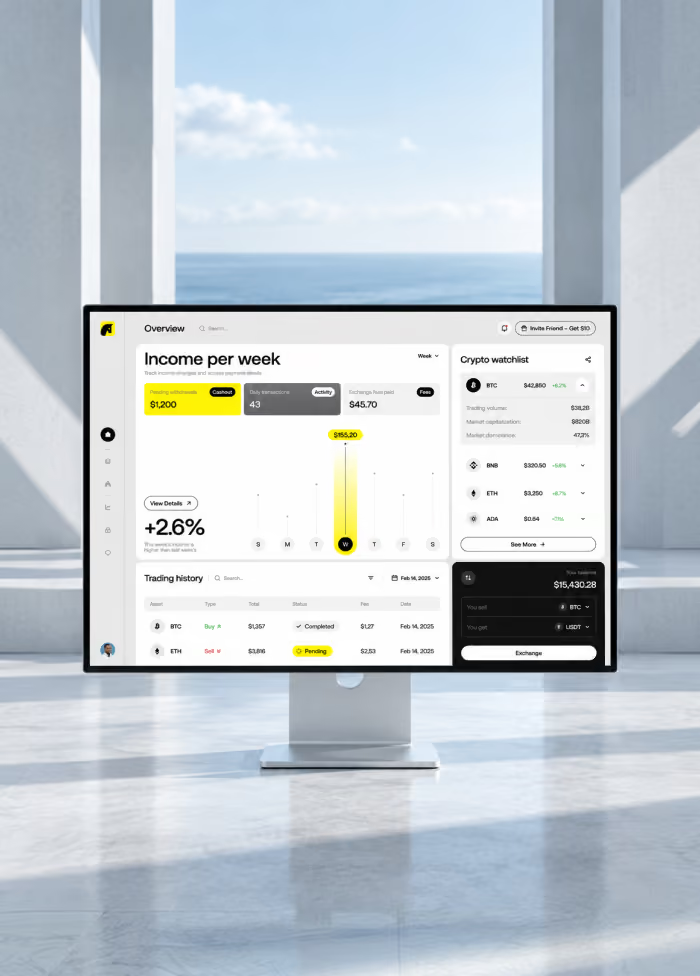
Connect payment providers to your product through APIs tested as part of the same project.
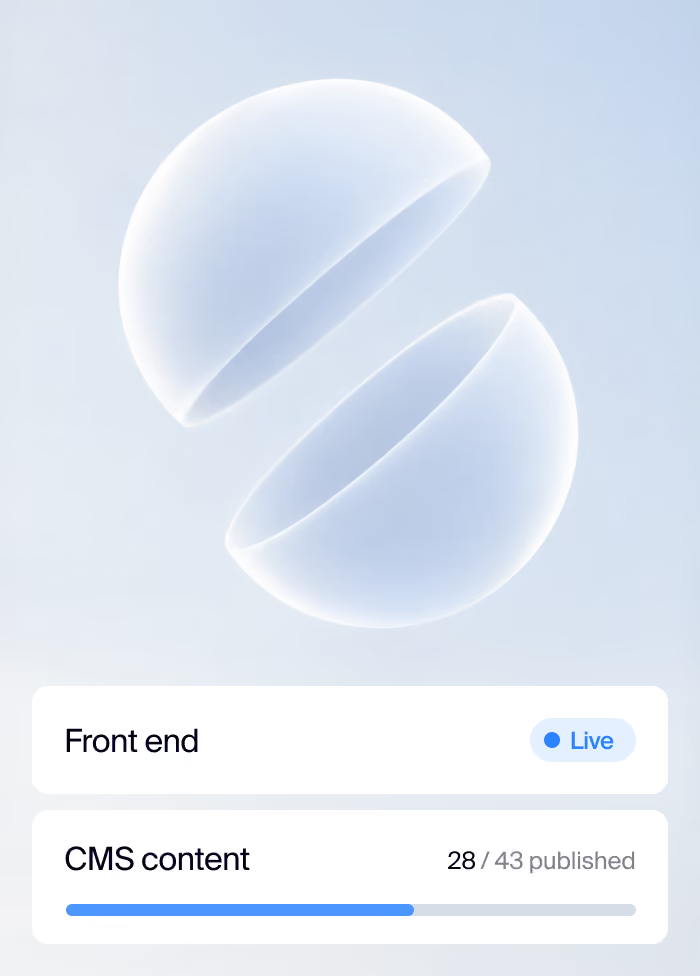
Serve web, mobile, and other frontends from a shared API, so content is authored only once.
Integrate AI models with your existing products, data, and tools through secure APIs.







Our API development services start with what your frontend, mobile, or partner teams need. We then define the API contract before any implementation begins.
2–3 Days
API contract

We design the schema, covering endpoints, types, auth flows, and versioning strategy. You get an API schema your team has reviewed and agreed on.
1–2 Days
Reviewed API schema

Our team implements endpoints, resolvers, authentication, business logic, and third-party integrations sprint by sprint, until the API is ready for testing.
2–6 Weeks
Working API

Unit, integration, and contract tests cover every endpoint before release, including edge cases and error states. You get the full test suite.
3–5 Days
Full test suite

We publish interactive documentation and deliver a structured handoff, so your team can build against the API directly from day one.
1–2 Days
API docs and handoff

Our healthcare API development connects clinical platforms through secure, documented, FHIR-compatible APIs built for integration.

We provide fintech API for payment gateway, banking, and compliance integrations, with security built in from the start.

Halo Lab’s logistics API development gives fleet and operations teams real-time tracking, routing, and third-party integrations.

Our API development supports property platforms with listing, search, and transaction APIs that scale as listings grow.

EdTech products rely on our API for LMS, content delivery, and subscription APIs, all designed and documented.

Build the on-chain data, wallet, and smart contract interaction APIs a Web3 product needs, with security handled from the start.

Health and fitness platforms get wearable data, tracking, and subscription APIs built to spec by the API development team.

Our API services give SaaS and enterprise products internal APIs, partner integrations, and public API layers.


500+ projects give us insight into solutions that fit your market.

Endpoints, data shapes, and auth are agreed before coding starts.

Interactive references let your teams build against the API directly.

Full test suites and versioning protect everyone using your API.

Engineers and product managers shape each API around your app.

Defined stages and regular reviews keep all stakeholders aligned.

“Halo Lab is very organized in planning to achieve the goals within the set deadlines. We feel they were part of our internal team project.”

“Their experts have a very diverse range of skills and always find a solution to exposed issues. The communication process was clear.”

“During the collaboration, Halo Lab prioritized our people, always taking into account our input and ideas and giving all team members a voice.”

“The team at Halo has been amazing in bringing our vision to life.”

“Halo recreated our existing portal with a modern and beautiful experience, greatly increasing usability and delight for the end user.”

“Halo Lab is brilliant. We were impressed with their timely delivery, cost-effectiveness, and the people who knew what they were doing!”

“The value we get from Halo Lab and their quality designs sets them apart from others. They are the right mix of price, talent, and style.”

“We gave the Halo Lab team a chance, and we immediately knew they were the ones we wanted to work with.”

“The Halo Lab work pleasantly surprised us, and bringing in their professional design team has been a worthy investment for us.”

“When collaborating with Halo Lab, we felt that communication was straightforward and that the deliverables fit what we expected.”

“We would recommend Halo to companies of any size looking to build products which your customers will love.”







Since 2013
We’ve built one of the most trusted agencies
120+
Specialists in design, engineering & product management
78%
Returning clients in Europe & North America