




Each release, engineers redo work that designers have already solved.
Without a shared library, designers rebuild the same UI patterns.
Components pile up as debt without one governed system.
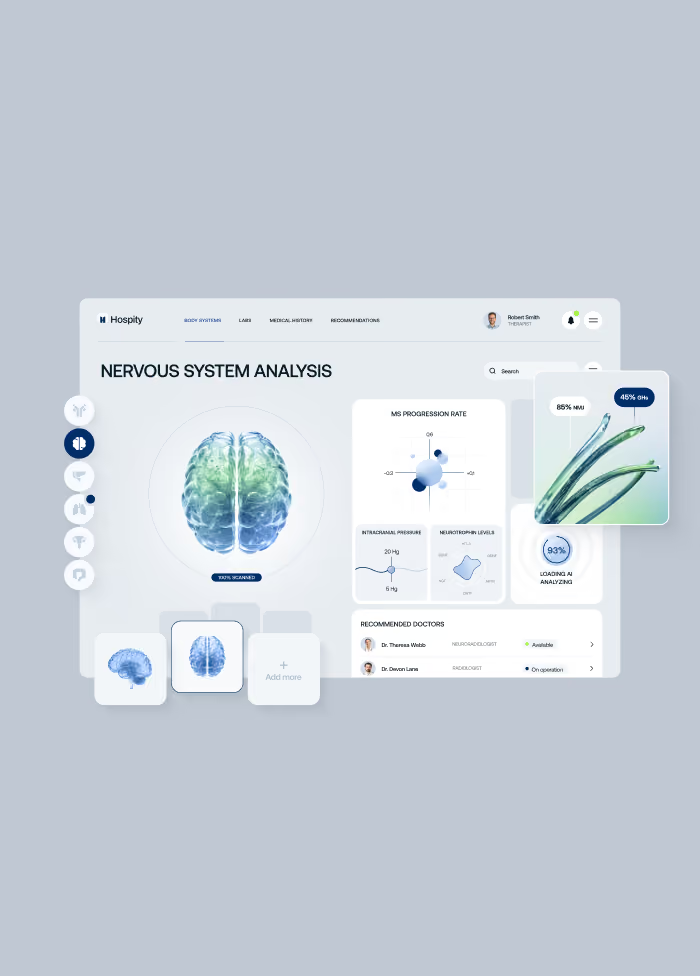
Spot interface inconsistencies and duplicated patterns before you systematize your components.
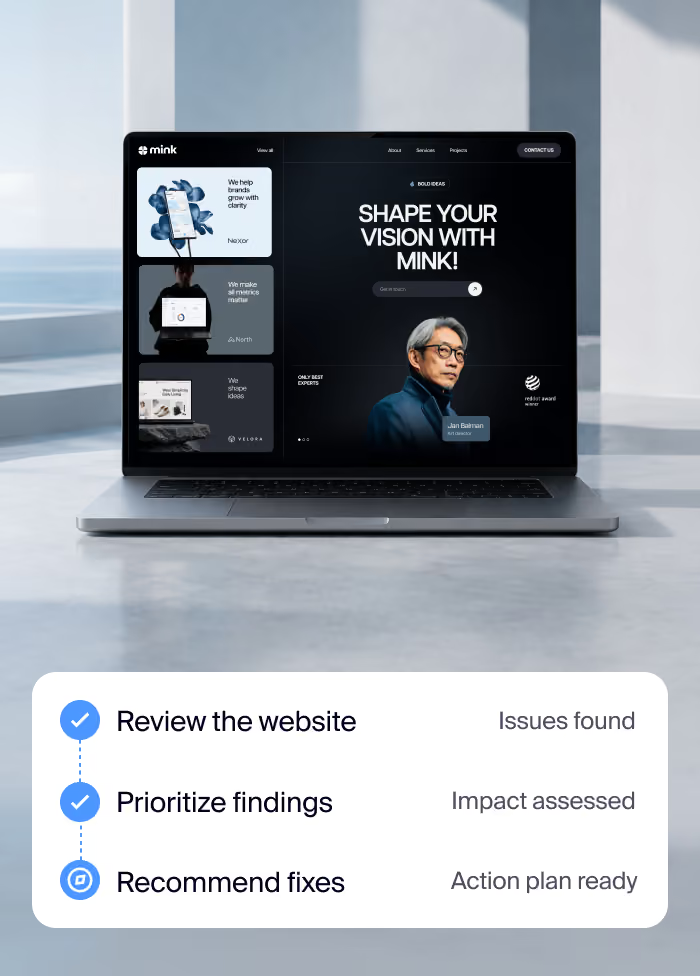
Get expert advice on your system’s structure, governance, and scaling ahead of development.
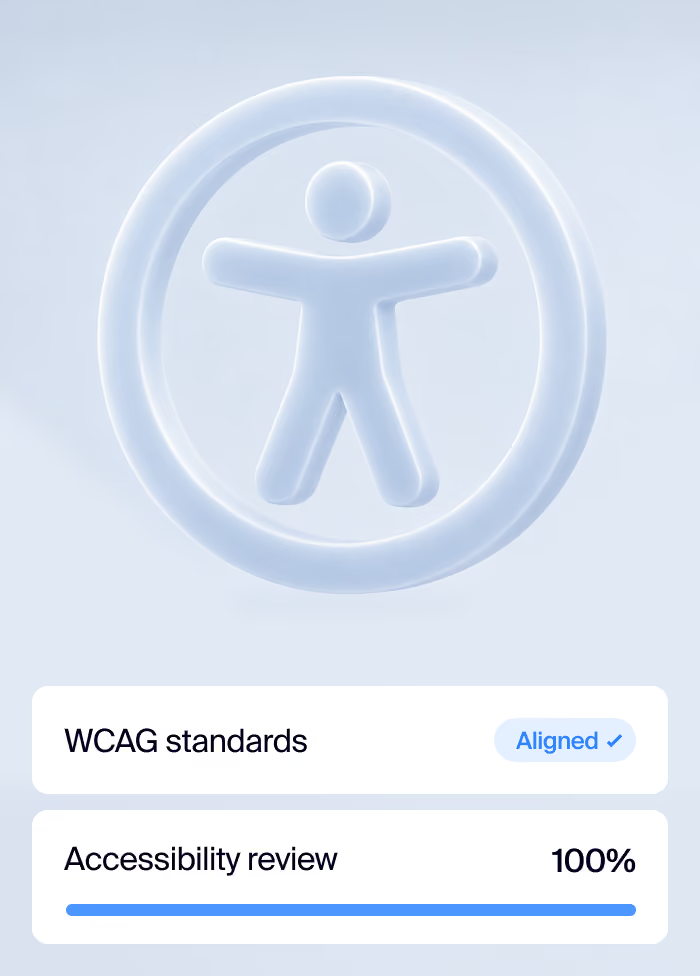
Build WCAG 2.2 contrast, focus states, ARIA, and touch targets into each system UI element.
Define every interface state, along with shared timing and easing, so the product moves as one.
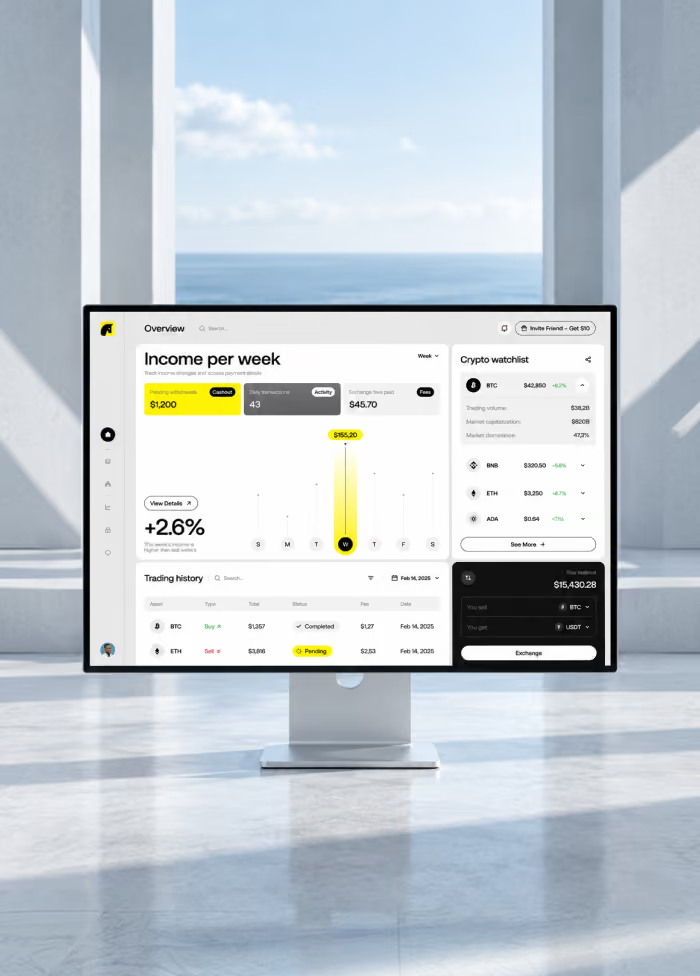
Extend your system into full UX and UI work, from new flows to product screens built on it.




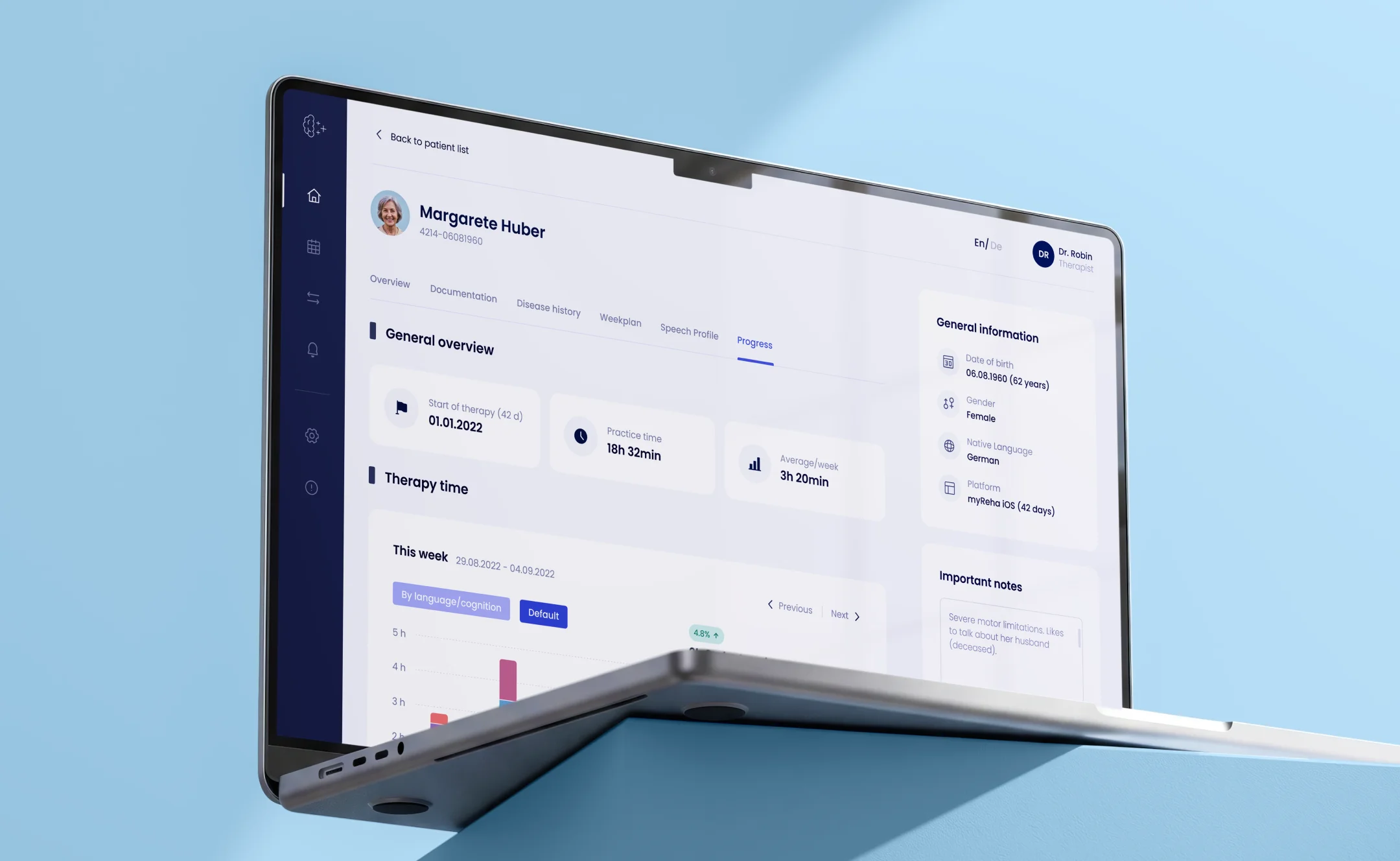

We review your Figma files, components, codebase patterns, and workflows to map what exists, what is duplicated, and what needs rebuilding.
2 Days
Report, gaps, roadmap

Our team defines token taxonomy, naming conventions, spacing scale, type ramp, and color system, documenting the reasoning.
2–4 Days
Token library, rules

Each component is built in Figma with variants, states, and usage guidance, then reviewed for accessibility.
7 Days
Figma component library

We explain each usage rule with examples and provide engineers with annotated specs and build notes.
3 Days
System docs & dev handoff

Your team gets a system walkthrough, answers to implementation questions, and a support window to manage everything independently.
2 Days
Walkthrough & support

Accessible tokens and WCAG 2.2 components support clinical tools, patient apps, and care software.
Banking, fintech, and payment products stay consistent when they draw from one component system.

When fleet tools and tracking dashboards expand, a scalable UI keeps logistics teams aligned.

Need property portals, listing sites, and CRMs to match? Modular libraries make that possible.

For EdTech, we build adaptable, accessible UI that serves learning platforms and student apps.

Shared design tokens bring wallets, DAOs, and decentralized interfaces into one visual language.
Scalable design systems for health trackers, wellness apps, and coaching platforms.
SaaS products, developer platforms, and IT suites can all share one enterprise-grade foundation.

500+ projects give us insight into solutions that fit your market.

Research, positioning, and clear goals guide every design decision.

No templates or generic patterns, only design shaped for your needs.

We bring clarity to complex SaaS, B2B, and tech products.

Structured communication and transparent workflows keep you aligned.

Adaptable scopes help you stay on budget without losing top quality.

“As the developer who will be implementing the designs, I am confident that implementation will be straightforward.”

“The project took two months, and they managed to deliver a whole new UI/UX and a UI kit.”

“I was impressed by Halo Lab’s speed and proactive nature in ensuring the flows were all correct and setting up the Ui to be scalable for future use.”

“They had very good communication and attention to detail. Best quality user interface outcomes possible.”
“We are happy with the designs and so far our developers can smoothly implement them.”

“Halo’s deep expertise in UX/UI was evident throughout the project, and their consistency was key: once we made an important UI decision, they meticulously applied it to all screens nicely.”

“Their ability to push creative boundaries while maintaining a rock-solid strategic foundation is what sets them apart.”

“What stood out most was their ability to quickly understand our business.”







Since 2013
We’ve built one of the most trusted agencies
120+
Specialists in design, engineering & product management
78%
Returning clients in Europe & North America